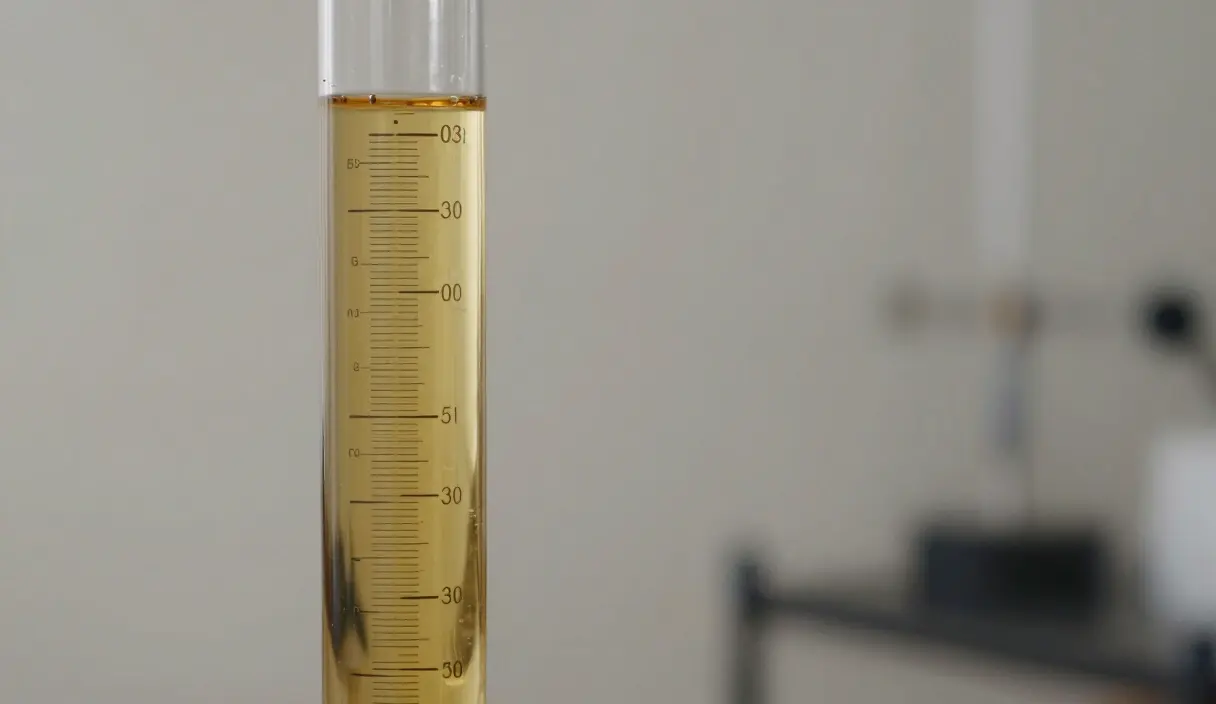
Precision Brewing: Mastering ABV Calculations and Sugar Attenuation
Calculate the Alcohol by Volume (ABV) of your mead and kombucha. Master the formula and learn how to use your hydrometer like a pro.
Contents
Is the “kick” in your brew a lucky guess or a measured biological success? While many beginners judge their mead by the warmth of the first sip, the master brewer knows that the only way to achieve consistency — and safety — is through the mathematics of sugar attenuation. Your abv calculator fermentation data tells a story that your palate simply cannot. Numbers don’t lie. Gut feelings do.
The Success Formula: How ABV is Calculated
To calculate ABV, you need two readings from your hydrometer:
- Original Gravity (OG): The density of the liquid before fermentation (the sugar level).
- Final Gravity (FG): The density of the liquid after fermentation is complete.
The standard formula used by homebrewers around the world is:
ABV = (OG - FG) * 131.25
A Practical Example:
If your Mead starts with an OG of 1.090 and finishes at an FG of 1.010:
(1.090 - 1.010) * 131.25 = 10.5% ABV
The Science of Density: Why Does It Sink?
Fermentation is a massive biological transformation. Yeast eat the heavy, dense sugar molecules and convert them into lighter alcohol molecules and CO2 gas. Because alcohol is less dense than water, your hydrometer will sink deeper as the sugar disappears and the alcohol level rises.
This is the step most people skip — taking a proper OG reading before pitching. Without it, your final ABV is a fiction.
Warning: Never read your hydrometer while CO2 bubbles are still clinging to the stem. Active fermentation coats the glass with tiny bubbles that make the instrument float higher than the actual gravity. The reading looks lower — meaning your ferment appears more attenuated than it is. Always rinse the hydrometer in the sample, spin it once to dislodge surface bubbles, and wait 60 seconds before reading. A 2-gravity-point error here translates to a 0.25% ABV miscalculation — minor in beer, significant in a mead targeting a precise sweetness window.
Pro Gear for Precision Readings
A practical example that sharpens the formula: a standard one-gallon mead starting at OG 1.050, targeting a dry finish, will typically reach FG 1.010 with a healthy Lalvin 71B yeast pitch at 65-68°F. Run the formula: (1.050 - 1.010) × 131.25 = 5.25% ABV. That’s session-strength mead — low enough that a 5oz pour won’t impair judgment, high enough that the honey character reads as wine rather than slightly fermented fruit juice. Knowing that number before you bottle determines whether you add a touch more honey for back-sweetening or close the jar as-is.
While the classic glass hydrometer is a staple, many modern brewers prefer the Refractometer.
- The Advantage: You only need a single drop of liquid to get a reading.
- The Catch: Once fermentation has started, the alcohol interferes with light refraction. You must use a correction calculator to get an accurate Final Gravity with a refractometer.
These are the tools that transform cooking into precision brewing:
Top Brewing Measurement Gear
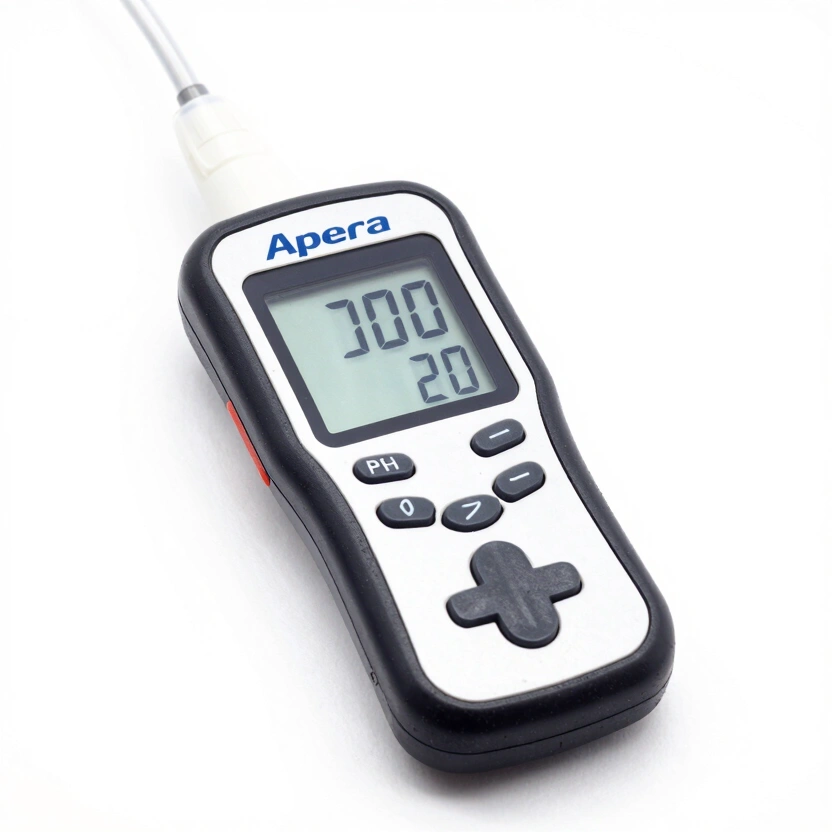
Apera Instruments PH20 pH Meter
Professional-grade digital pH tester, essential for verifying safety in low-acid ferments.
Check Price on Amazon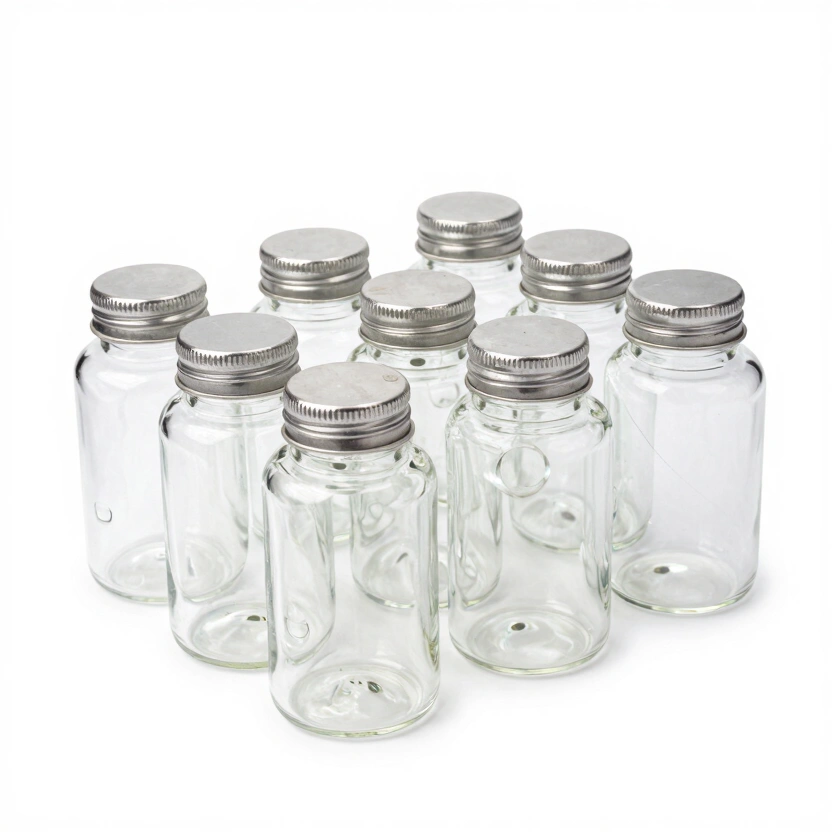
Artcome 10-Pack Glass Weights
Bulk set of heavy glass weights with easy-grip handles for large mason jar setups.
Check Price on Amazon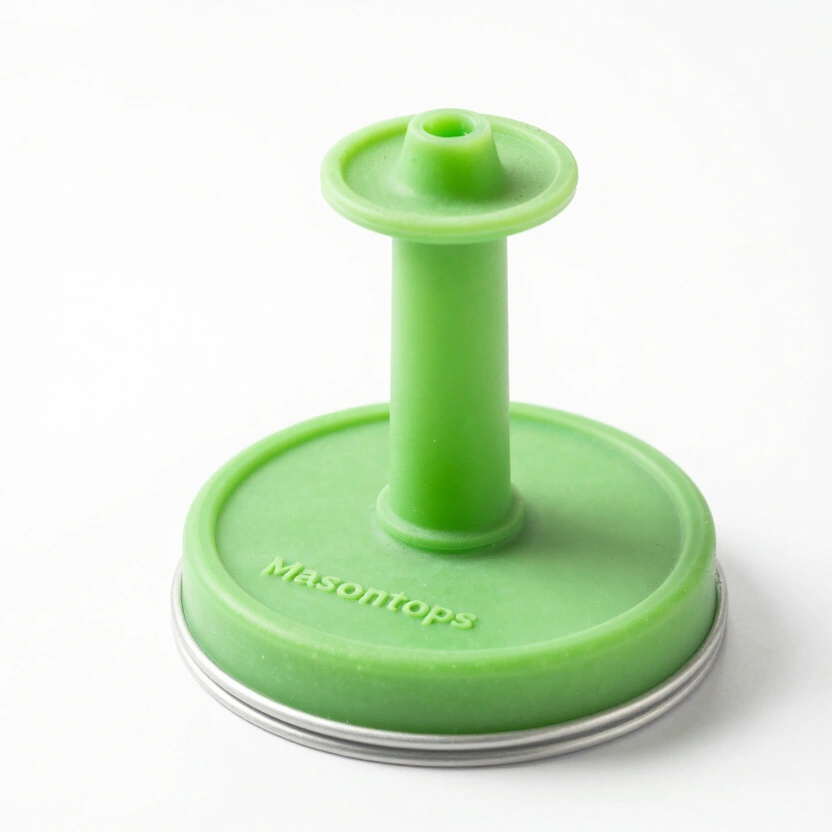
Masontops Pickle Pipe (Airlock Lids)
Waterless silicone airlock lids for easy, low-maintenance mason jar fermentation.
Check Price on Amazon* Affiliate links. Prices last updated March 3, 2026.
The Temperature Trap
Hydrometers are calibrated to a specific temperature (usually 68°F or 20°C). If your “must” or wort is still warm from the stove, your reading will be artificially low. Always use a temperature correction chart or let your sample cool before measuring.
Counter to popular advice, I skip the wort correction charts entirely and just cool every sample to exactly 68°F in an ice bath before measuring. Thirty seconds of patience. Zero math errors.
Warning: If you want continuous gravity monitoring without pulling daily samples, the Tilt Hydrometer is the only tool that does the job passively. It floats inside your fermentation vessel and broadcasts real-time gravity and temperature to your phone via Bluetooth. The data it generates — a continuous gravity curve over 10-14 days — will show you fermentation stall events hours before they become stuck ferment crises. At roughly $130, it costs more than a standard hydrometer kit. But it replaces 15-20 manual readings per batch and catches the CO2 bubble error entirely, since it reads electronically rather than visually.
ABV calculation is not a complexity layer — it’s a record of what actually happened inside your vessel. The OG tells you what you started with. The FG tells you where the yeast stopped. The gap between them tells you everything: fermentation health, attenuation rate, the sweetness window left for back-sweetening, and the safety profile of the final product. Two gravity readings. One formula. Complete information.
But a gravity reading is only as accurate as the technique behind it. Take the OG before pitching. Dislodge bubbles before reading. Correct for temperature. And if you want to skip all of that manual process, let a Tilt Hydrometer do the work continuously while you focus on everything else.
Track your fermentation completely: pair ABV data with the Brine Salinity Calculator to build a full picture of every batch you run — sugar attenuation on one side, salt precision on the other.
For the full science behind what your yeast are actually doing during attenuation, read The Science of Fermentation Brine Ratios.
Frequently Asked Questions
What’s the simplest ABV formula for home brewers?
(OG - FG) × 131.25 gives you ABV as a percentage. For a mead starting at OG 1.050 and finishing at FG 1.010: (0.040) × 131.25 = 5.25% ABV. Two readings, one subtraction, one multiplication. That’s the whole calculation. No lab equipment, no titration kit — just a hydrometer and two measurements taken at the right moments.
Can I estimate ABV by taste instead of measuring?
No. Honey body, residual sweetness, and carbonation all mask alcohol perception in ways that consistently fool experienced tasters. I’ve had 8% meads register as session-strength because the honey sweetness was still prominent at bottling. A basic glass hydrometer costs under $10. It eliminates the single most common variable in batch inconsistency — and it takes 90 seconds to use correctly.
Why does my refractometer give a different FG reading than my hydrometer?
Alcohol bends light differently than dissolved sugar does. A refractometer measures refractive index — and once fermentation adds alcohol to the solution, the instrument’s calibration (designed for sugar water) is no longer accurate. Raw Brix readings after fermentation can be off by 2-3 gravity points, which is a full percent of ABV error. Use a dedicated refractometer alcohol correction calculator, or switch to a hydrometer for all post-fermentation FG readings. See the Refractometer vs. Hydrometer Comparison for correction formulas.
My gravity has been stuck at 1.020 for two weeks. What’s happening?
Three likely causes: temperature too low (below 60°F inhibits most ale and mead yeasts), nutrient deficiency (staggered nutrient additions like Fermaid-O prevent this), or alcohol tolerance exceeded (common when OG was above 1.110). Check pitch temperature first — warm the vessel to 68°F and wait 48 hours. If gravity still doesn’t move, add a small Fermaid-O dose. If it remains stuck after another week, the yeast have likely reached their tolerance ceiling and the 1.020 is your actual FG.
Is the Tilt Hydrometer worth the cost compared to a standard glass hydrometer?
For brewers running 3+ batches per month, yes. The Tilt broadcasts continuous gravity and temperature data to your phone without opening the vessel or pulling samples. That means no contamination risk, no CO2 bubble errors, and a full fermentation curve rather than isolated data points. The $130 price tag pays back in avoided stuck ferment losses and the specific diagnostic value of watching gravity stall in real time. For occasional brewers making one batch per season, a $9 glass hydrometer is entirely sufficient.
Related Articles
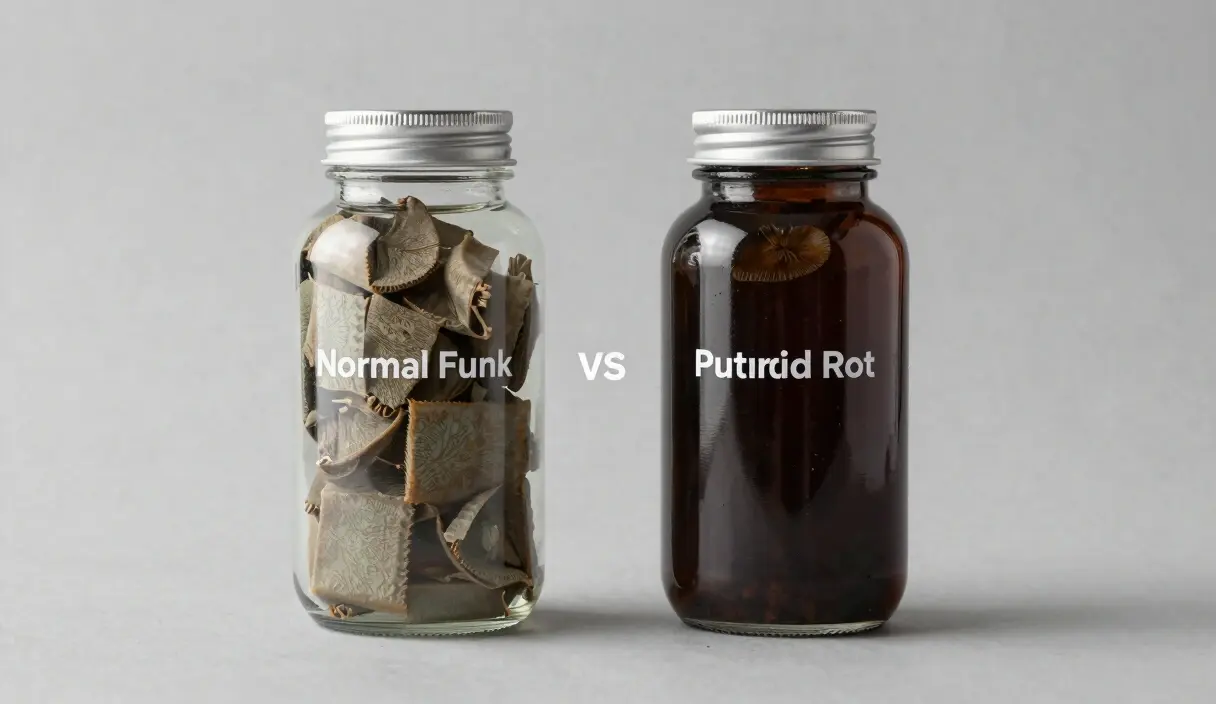
The Fermentation Smell Test: Normal Funk vs. Putrid Rot
Is your ferment supposed to smell like that? We explore the science of fermentation aromas, from cheesy funk to dangerous decay.
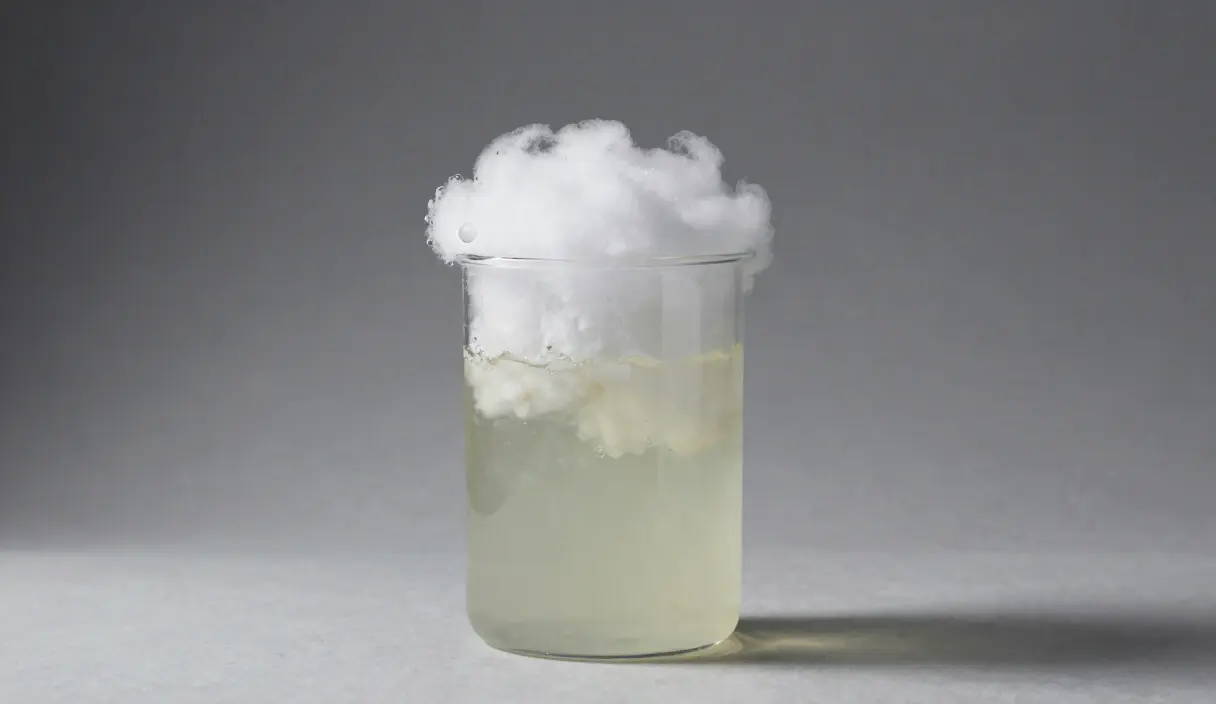
Why is My Brine Cloudy? Understanding Bacterial Sediment and Safety
Is cloudy brine a sign of success or failure? We explain the science of microbial blooms, sediment, and how to verify the safety of your ferment.
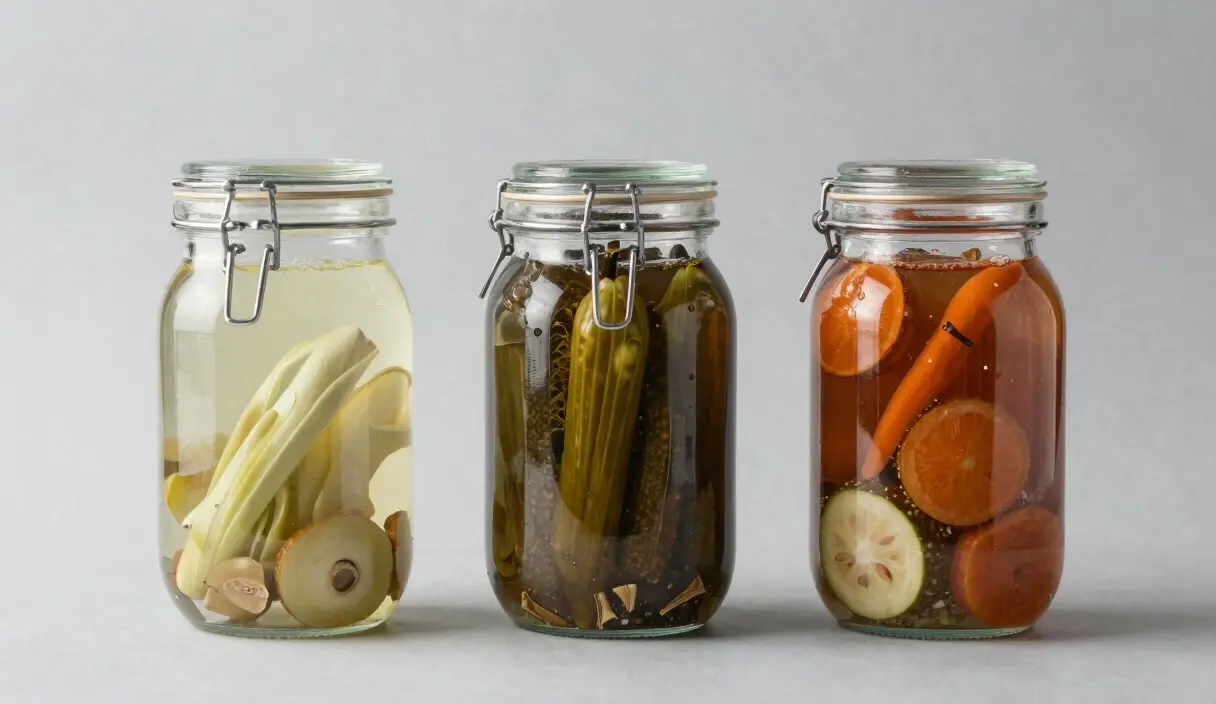
Fermentation vs. Pickling: The Definitive Scientific Comparison
Is every pickle fermented? We break down the biological and culinary differences between these two ancient techniques.