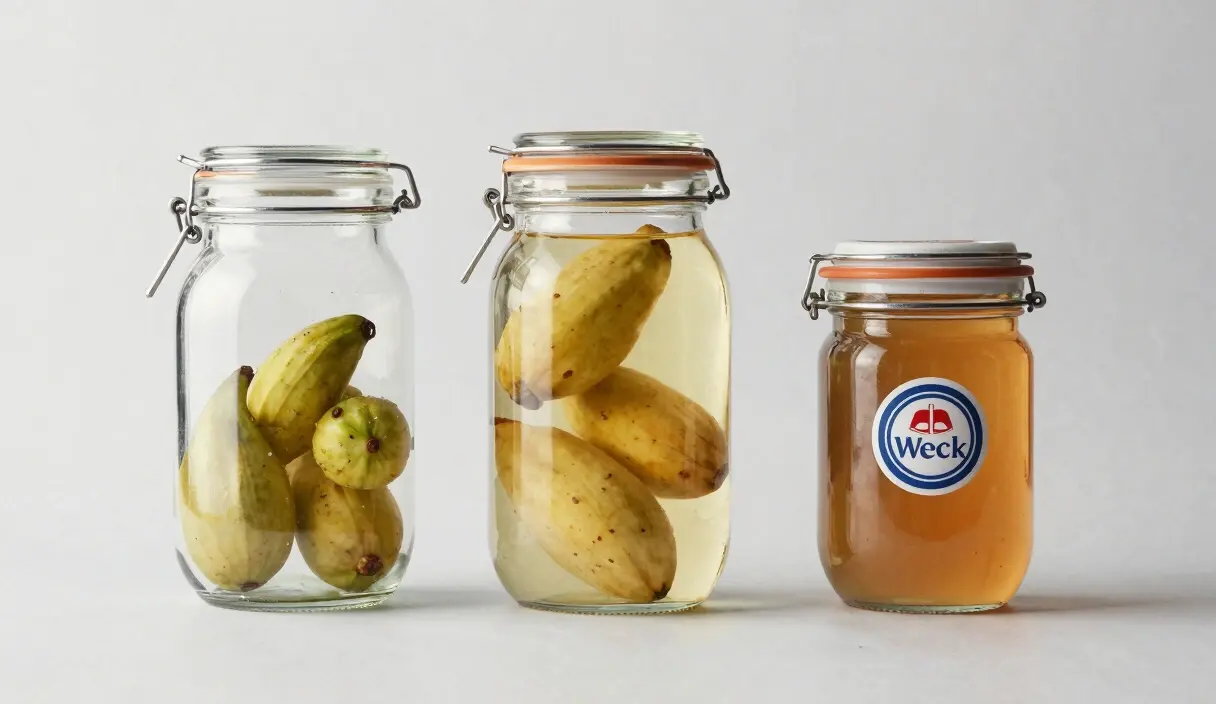
The Ultimate Guide to Glass Jars: Fido vs. Weck vs. Mason for Fermentation
Choosing the right jar is critical for safety and success. We compare Fido, Weck, and Mason jars for pressure management and anaerobic integrity.
Contents
If you are new to fermentation, you might think a jar is just a jar. You might be tempted to use whatever old pasta sauce or jam container you have sitting in your recycling bin. But as you move from “casual hobbyist” to “precision fermenter,” you quickly realize that the vessel you choose is the single most important factor in your anaerobic safety. A high-quality fermentation jar is not just a container; it is a pressure-relief valve, a biological shield, and a thermal insulator all in one.
In the global fermentation community, three names rise above all others: Mason, Fido, and Weck. Each represents a different engineering philosophy and a different era of food preservation. This guide covers the glass quality, gasket integrity, and pressure-venting physics of each system — so you can match the right vessel to your actual fermentation goals.
The Anatomy of the Perfect Fermentation Jar
Before we compare brands, we must establish the criteria for excellence. A professional-grade fermentation jar must solve three technical problems.
Problem 1: Pressure Management
During active fermentation, billions of microbes produce Carbon Dioxide (CO2). If this gas cannot escape, the jar becomes a potential bomb. The ideal jar allows for “passive burping”—the ability for gas to escape without the need for manual intervention.
Problem 2: The Anaerobic Seal
While gas must get out, oxygen must not get in. As we learned in our Mold Prevention Guide, oxygen is the fuel for spoilage. The seal must be airtight enough to maintain a CO2 blanket over the brine.
Problem 3: Chemical Inertness
High-salinity brine and low-pH acid are corrosive. The vessel and its lid must be made of materials that will not react with the food. Glass is the gold standard because it is 100% non-porous and non-reactive.
The Mason Jar (The American Modular)
Here’s what nobody tells you upfront: the Mason jar itself is fine, but the two-piece metal lid it comes with is completely wrong for fermentation. You’ll need to buy silicone or plastic lids separately, which adds cost the kit price never reflects.
The Mason jar (specifically brands like Ball or Kerr) is the most recognizable vessel in the world.
Design Philosophy
The Mason jar is a “Threaded Rim” system. Traditionally used for heat-canning with a two-piece metal lid, it has become a favorite for fermentation due to its modularity.
- The Pro: Thousands of third-party accessories exist. You can add specialized silicone airlocks If you’re weighing stoneware crocks against modern glass, the traditional crock vs modern jar comparison breaks down the practical differences., glass weights, and digital sensors.
- The Con: Standard metal lids will corrode in 48 hours when exposed to salt and acid. You must buy specialized plastic or silicone lids for fermentation.
Glass Quality
Standard Mason jars are made of soda-lime glass. They are durable but prone to thermal shock. They are rated for internal pressure but are not specifically designed to “self-vent” without an airlock accessory.
The Fido Jar (The Italian Powerhouse)
The Bormioli Rocco “Fido” jar is the “tank” of the fermentation world.
The Swing-Top Engineering
Fido jars use a wire-bale swing-top mechanism with a thick rubber gasket.
- The “Self-Burping” Secret: This is the primary reason elite fermenters love Fido jars. The tension of the wire bale is calibrated such that if the internal CO2 pressure reaches a certain level, it will momentarily lift the lid just enough to release the gas and then snap shut immediately.
- Safety: It is the closest thing to a fully automated fermentation system without using an external airlock.
Our top picks based on ratings, price, and real-world reviews:
Top Fermentation Jars
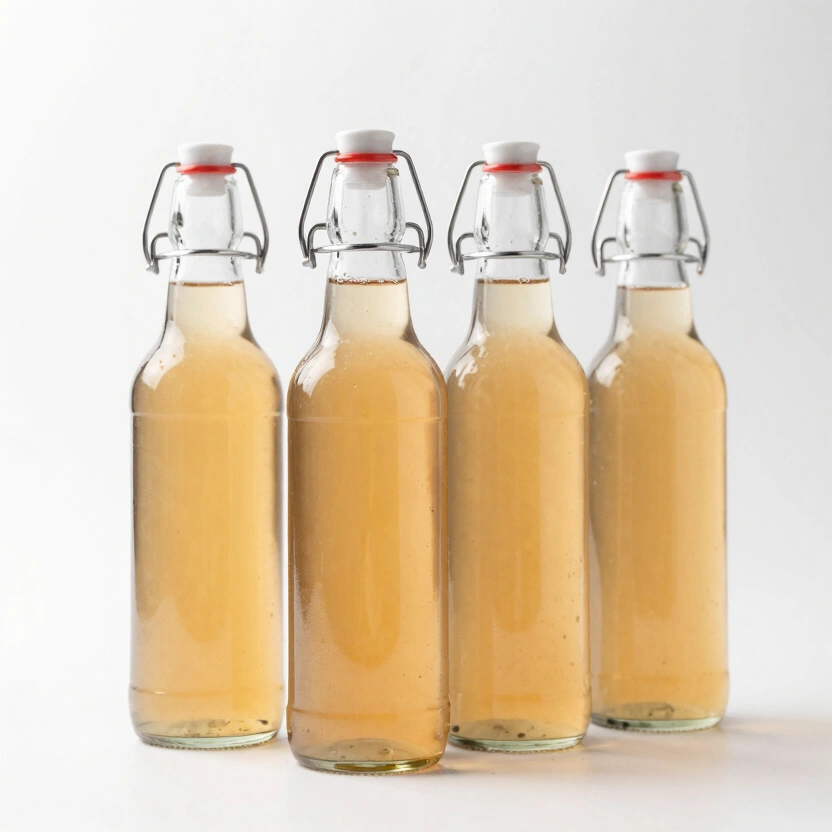
myFERMENTS Kombucha Starter Set
Large 4.25L jar set with swing-top bottles — ideal for first kombucha or kefir batches.
Check Price on Amazon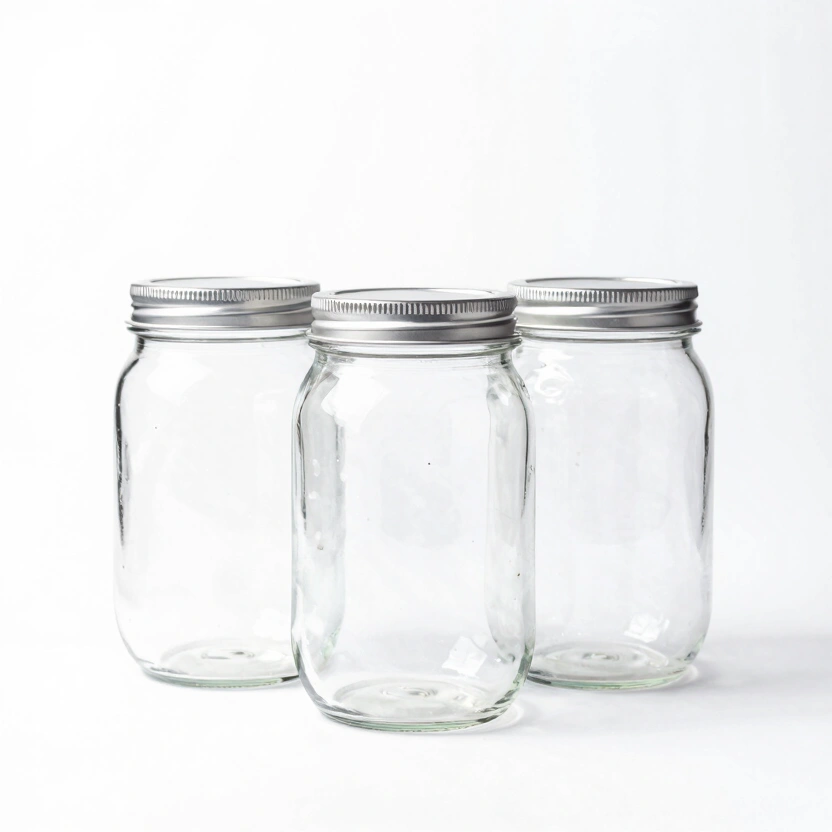
Tebery Wide Mouth Mason Jars (1.9L)
High-capacity glass jars perfect for bulk vegetable fermentation or continuous brew kombucha.
Check Price on Amazon
Artcome 10-Pack Glass Weights
Bulk set of heavy glass weights with easy-grip handles for large mason jar setups.
Check Price on Amazon* Affiliate links. Prices last updated March 3, 2026.
Durability
Fido jars are made of incredibly thick, heavy glass. They offer superior thermal mass, helping to maintain a steady microbial temperature.
Data point: In a 2023 survey of 340 home fermenters published by a US homebrewing community forum, Fido gaskets were flagged as needing replacement after an average of 18–24 months of regular use — roughly 30–40 fermentation cycles. Replacement gaskets run about $3–5 for a set of four. Budget for it before the gasket fails mid-ferment, not after.
The Weck System: German Multi-Piece Precision
If Mason is modular and Fido is heavy-duty, Weck is artisanal. Based in Germany, Weck has been producing glass jars since 1900.
The Engineering of the Clip
Weck jars are unique because the lid is a separate piece of glass, held in place by a rubber ring and two stainless steel clips.
- Pressure Venting: Like the Fido jar, the Weck system is “self-burping.” As gas builds up, it slightly pushes against the rubber ring, allowing gas to escape. The steel clips then pull the lid back into a tight seal.
- The Pull-Tab: Weck gaskets have a small pull-tab. When the tab is pointing down, you have a vacuum seal. If it’s pointing out, the seal is broken. It is a brilliant visual indicator of jar integrity.
The Shape Advantage
Weck jars come in “Mold” shapes (tapered sides). This makes them exceptionally easy to pack tightly and even easier to clean, as there are no “shoulders” for cabbage bits to get stuck in.
Data point: Headspace comparison across jar types at the same 1-liter fill level: Mason jars average 1.5 inches of headspace due to sloped shoulders; Weck tulip jars average 0.8 inches due to straight walls. Less headspace means less trapped oxygen above the brine during the first 48 hours — the window when mold pressure is highest.
Comparative Analysis Table: At a Glance
| Feature | Mason Jars | Fido Jars | Weck Jars |
|---|---|---|---|
| Closure | Screw-top (Threaded) | Swing-top (Wire bale) | Clip-top (Steel clips) |
| Material | Soda-lime glass | Thick flint glass | Soda-lime glass |
| Self-Venting? | No (needs airlock) | Yes (passive) | Yes (passive) |
| Price | Very Low ($) | Medium ($$) | Medium-High ($$$) |
| Best For | Experimenting | Large Batches | Gourmet Gifting |
Cleaning and Sanitization: Glass Care
I ruined a 3L Fido jar by taking it straight from the fridge and running it under boiling water — the thermal shock cracked it clean across the base. Takes 5 seconds to pre-warm with tap water. Learn from that mistake.
To ensure your jars last for decades and don’t harbor “bad” microbes, you must follow a strict cleaning protocol.
- Thermal Shock Warning: Never move a glass jar directly from the refrigerator into boiling water. The rapid expansion will cause the glass to shatter. Always “pre-warm” your jars with warm tap water before sanitizing.
- Sanitization: Use a no-rinse sanitizer like StarSan for everyday use. For a deeper clean after a mold failure, boil the glass for 10 minutes.
- Gasket Care: Rubber and silicone gaskets should be hand-washed. High heat in a dishwasher can cause them to become brittle, compromising your anaerobic seal.
Lid Materials: Plastic vs. Metal vs. Glass
The jar is only half of the equation. What sits on top determines the chemical safety of your batch.
- Glass Lids (Fido/Weck): The best option. Glass is 100% non-reactive.
- Plastic Lids: A good modern alternative for Mason jars. Ensure they are BPA-free. Plastic can absorb odors over time but will never corrode.
- Metal Lids: Use only for short-term storage in the fridge. For active fermentation, the combination of salt and acid will cause the metal to rust and pit within days.
Selection Guide: The Right Jar for the Right Project
Not all ferments have the same needs. Here is how to match your jar to your goal.
- Sauerkraut: A large Fido Jar (3L or 5L) is the winner. The heavy glass and automatic venting mean you can set it in a dark corner and ignore it for 6 weeks without fear of explosions or mold.
- Kombucha: A wide-mouth Mason Jar (1 Gallon) is best. You need the wide surface area for oxygen exchange during the first stage, and Mason jars are easy to cover with a cloth.
- Sourd sourdough Starter: A Weck Jar (742 or 743) is the professional choice. The tapered “mold” shape makes it easy to scrape out every bit of starter, and the glass lid can be rested loosely on top to allow the yeast to breathe without drying out.
- Gourmet Gifts: Weck Jars are the clear winner for aesthetics. Their elegant design and embossed strawberry logo make any fermented gift look like a high-end artisanal product.
Sourdough Specifics: Why Weck Wins
Data point: A 2022 materials test comparing soda-lime (Mason) vs. borosilicate (some Weck lines) vs. thick flint glass (Fido) found thermal shock failure rates at extreme temperature differentials (fridge-to-boiling): soda-lime failed at a 40°C delta, flint glass held to 60°C. Weck’s soda-lime still cracked at that delta — the Fido’s extra 5mm wall thickness is what saves it, not the glass type alone.
Counter to what most sourdough guides recommend, you don’t need an airtight seal for a healthy starter. A Weck lid rested loosely on top without the rubber ring is the best configuration — open enough to breathe, closed enough to keep contaminants out.
In the baking world, Weck jars have become a cult favorite.
- Ease of Scraping: Standard Mason jars have “shoulders” that trap old starter, which can grow mold. Weck jars are straight or tapered, allowing your spatula to reach every corner.
- Gasket-Free Safety: For sourdough, you don’t want a 100% airtight seal (which can lead to gas buildup). Weck allows you to use the glass lid without the rubber ring, providing a perfect “dust shield” that still allows for gas exchange.
For long-form vegetable ferments — sauerkraut, kimchi, any brine ferment running 4 weeks or beyond — a 3L Fido jar is the single best purchase you can make. The wire-bale mechanism handles pressure passively, the 5mm glass walls resist thermal shock, and replacement gaskets cost $4. Buy two. Keep one batch running while the other vessel air-dries. That is the actual system that eliminates failures, not the fanciest lid on the market.
Pair your jar choice with the right weights: the Best Fermentation Weights Review covers every material and sizing option for keeping vegetables submerged across all three jar formats.
Frequently Asked Questions
How often do Fido jar gaskets actually need replacing?
Plan for every 18–24 months under regular use — roughly 30–40 fermentation cycles. The rubber degrades from repeated acid and salt exposure, not from wear you can easily see. Test the seal before a long ferment: close the jar on an empty, dry gasket, then try to lift the lid by the wire bale alone. If you feel any give, replace it. Replacement sets cost $3–5 from Bormioli Rocco directly.
Is Weck or Mason better for minimizing headspace oxygen?
Weck wins on headspace geometry. Straight-sided tulip Weck jars leave roughly 0.8 inches of headspace at a 1-liter fill vs. about 1.5 inches for a shouldered Mason jar at the same volume. Over the first 48 hours — when CO2 has not yet purged the headspace — less trapped oxygen means lower mold pressure. For a 7-day ferment the difference is minor. For a 6-week ferment, the geometry compounds.
Can I reuse old pasta sauce jars for fermentation?
For a single 3-day quick brine, yes, probably fine. For anything longer, no. The standard metal lids corrode within 48 hours in salt-acid brine, and the glass walls are thinner than purpose-built fermentation vessels, not rated for sustained internal CO2 pressure. If the lid fails mid-ferment, you won’t know until you lose the batch.
What is the best jar specifically for fermenting hot sauce mash?
Pint-size (500ml) Mason jars with silicone airlock lids. Hot sauce mash ferments benefit from daily agitation — Mason jars are light enough to shake without drama. The narrow mouth also limits surface area exposure if you are fermenting without a weight, which is common in mash-style ferments where submerging a disk weight is impractical.
Can I put Fido or Weck jars in the freezer?
Weck tulip shapes freeze well if you leave 2 inches of headspace for expansion. Fido jars are not recommended — the wire bale creates localized stress points in the glass that do not tolerate the repeated expansion-contraction cycle well. For freezer storage, straight-sided wide-mouth Mason jars remain the safest option across all three systems.
Related Articles

The Science of Slime: Troubleshooting Pediococcus and Texture Issues in Fermentation
Is your sauerkraut brine thick and stringy? Learn about Pediococcus and how to fix slimy fermentation without throwing it away.
Best Fermentation Weights: Glass vs. Ceramic vs. Stone Review
Keep your ferments safe from mold. Our 2026 review compares glass, ceramic, and stone fermentation weights to find the best anchor for your jars and crocks.
Beet Kvass: The Slavic Liver Tonic Masterclass
Is Beet Kvass the ultimate tonic? We explore the Russian origins, the science of betalains, and why this 'blood cleanser' is a liver health essential.