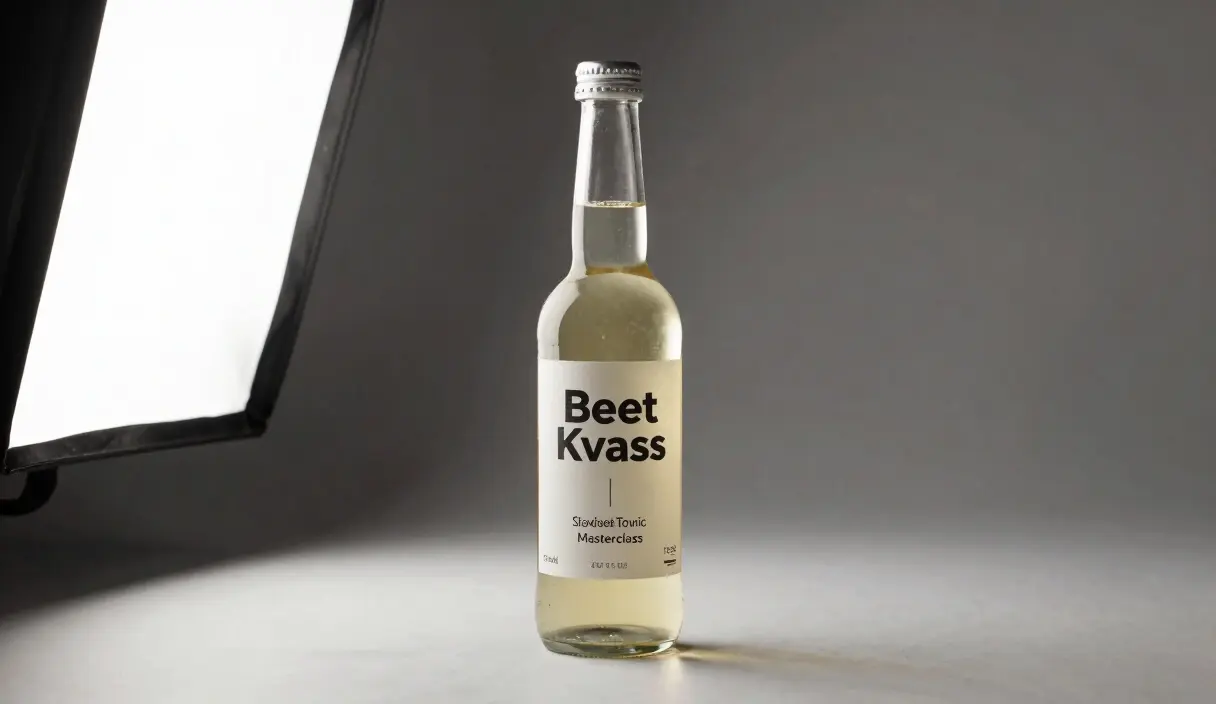
Beet Kvass: The Slavic Liver Tonic Masterclass
Is Beet Kvass the ultimate tonic? We explore the Russian origins, the science of betalains, and why this 'blood cleanser' is a liver health essential.
Contents
Beet kvass is the simplest ferment on this site. Just beets, salt, and water — no starter culture needed, no temperature control required. Three days at room temperature and you have a deep, earthy, slightly sour tonic that’s been used in Eastern European folk medicine for centuries. The beet kvass recipe hasn’t changed. What’s changed is why people drink it. A 60ml shot delivers betaine, betalains, and live lactic acid bacteria in a single dose — compounds that modern research links to improved hepatic bile flow, nitric oxide production, and glutathione support. No supplement has replicated that combination in bioavailable form. This guide covers the biology, the master recipe, and the reuse method that makes beet kvass one of the most economical fermentation projects available.
The Slavic Origin: A Tonic for the Hardy
Kvass has been part of Slavic life since at least the 10th century. While bread kvass was the drink of the masses, beet kvass was seen as a specialized wellness tool.
The “Blood Cleanser” Philosophy
In traditional Slavic medicine, the state of the blood was seen as the mirror of one’s health. “Thick” or “dirty” blood was thought to lead to fatigue and poor digestion. Beet Kvass, with its ability to support the liver’s filtration process, was the primary tool for “cleaning” the system.
A Ritual of the Seasons
Traditionally, Beet Kvass was started in the late fall as the harvest came in. It provided a source of active enzymes and Vitamin C throughout the long, dark winters when fresh vegetables were unavailable.
The Science of the Tonic: Liver and Gallbladder Support
Why is the liver the primary beneficiary of Beet Kvass? It comes down to two specific compounds: Betaine and Betalains.
Betaine: The Methyl Donor
Beets are one of the world’s richest sources of Betaine. In the liver, betaine acts as a methyl donor, a chemical process essential for fat metabolism and assisting the liver in processing toxins.
The Bile Flow Catalyst
Beet Kvass is famous for its “earthy” saltiness. This salinity, combined with the lactic acid, stimulates the production and flow of bile. Healthy bile flow is the body’s primary way of removing fat-soluble toxins and maintaining gut health.
Lactic Acid vs. Alcohol: The Microbial Goal
Unlike Ginger Beer, the goal of Beet Kvass is not carbonation or alcohol. It is purely a Lactic Acid Ferment.
The pH Target
To achieve the medicinal benefits, we want the pH to drop quickly to 3.8 to 4.2. This level of acidity ensures that the minerals in the beets are fully ionized and ready for absorption. Studies on fermented beetroot specifically show that lactic acid fermentation increases betalain stability compared to raw beet juice — meaning the tonic you make at home retains compounds that oxidize and degrade in fresh juice within hours.
The Salt Protection
Counter to what most recipes suggest, I skip the optional whey starter entirely. A 2.5-3% salt brine on organic beets gives the wild LAB population everything it needs to outcompete yeast without any help.
As we learned in our Fermented Beets Guide, beets are high in sugar. To keep the yeast in check and prioritize the bacteria, a salt concentration of 2.5% to 3.0% is mandatory.
The Master Recipe: Authentic Slavic Beet Kvass
This recipe is designed for a half-gallon (2-liter) glass jar. It results in a clean, medicinal tonic.
Ingredients:
- 3 Medium Organic Beets
- Filtered Water (Chlorine-free)
- 1.5 tbsp Non-iodized Sea Salt
- Optional: 1/4 cup starter liquid (whey or brine from a previous batch) to speed up the process.
The Protocol:
- Prepare the Beets: Wash the beets but do not peel them if they are organic. Cut them into 1-inch chunks. Do not grate them. Grating releases too much sugar too fast, which can lead to alcohol production.
- Fill the Jar: Place the beet chunks into the jar. They should fill about 1/3 of the jar’s volume.
- The Brine: Dissolve the salt in the water and pour it over the beets. Leave at least 2 inches of headspace.
- Seal: Use an Airlock. This prevents Kahm yeast from forming on the sugary liquid.
- Wait: Let the jar sit at room temperature (65°F-72°F) for 7 to 10 days.
Day 3 is when most people panic. The brine looks thin and faintly pink — nothing like the deep crimson you expected. Give it three more days. By Day 6, the color deepens dramatically as the fermentation acidifies and the betalains fully leach from the beet chunks.
These are the tools that make the biggest difference in Kvass quality:
Essential Kvass Gear
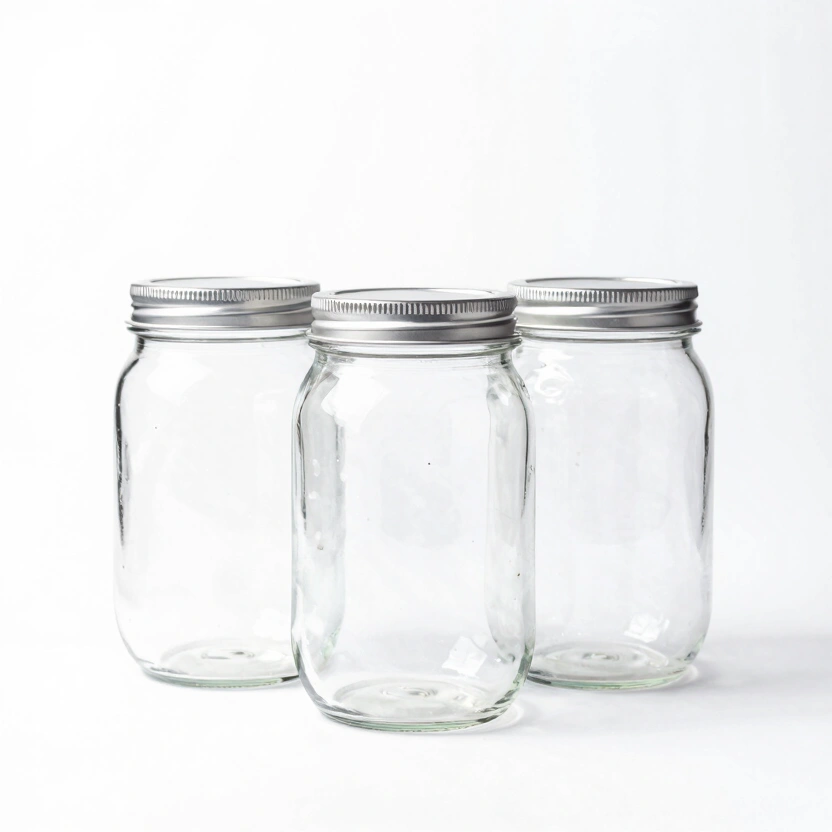
Tebery Wide Mouth Mason Jars (1.9L)
High-capacity glass jars perfect for bulk vegetable fermentation or continuous brew kombucha.
Check Price on Amazon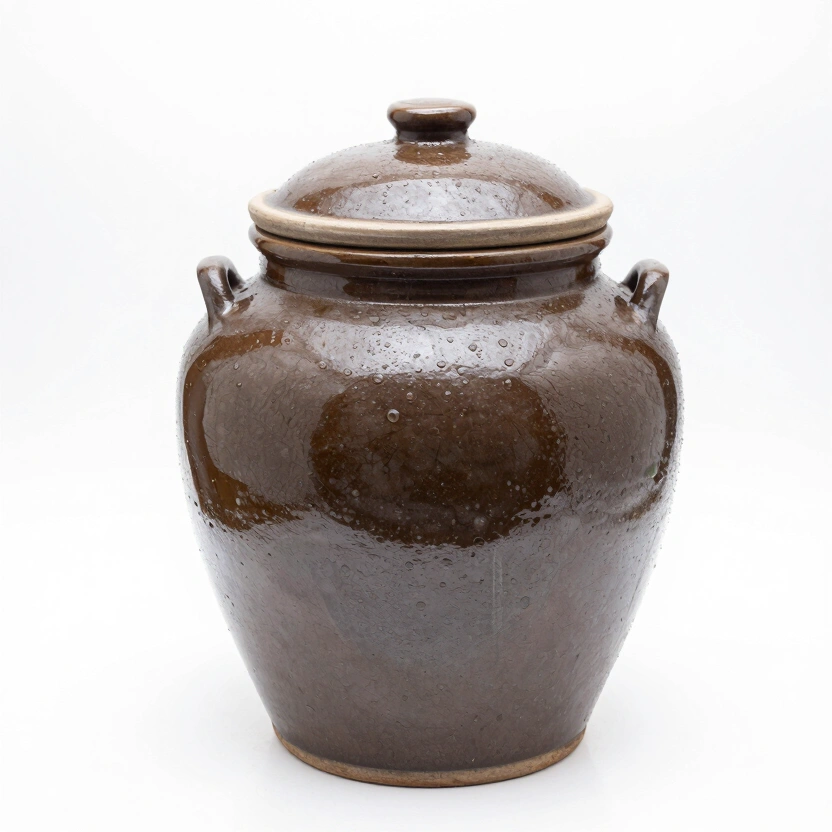
Traditional Ceramic Fermentation Crock
Classic water-seal stoneware crock for large-scale kraut, kimchi, and miso batches.
Check Price on Amazon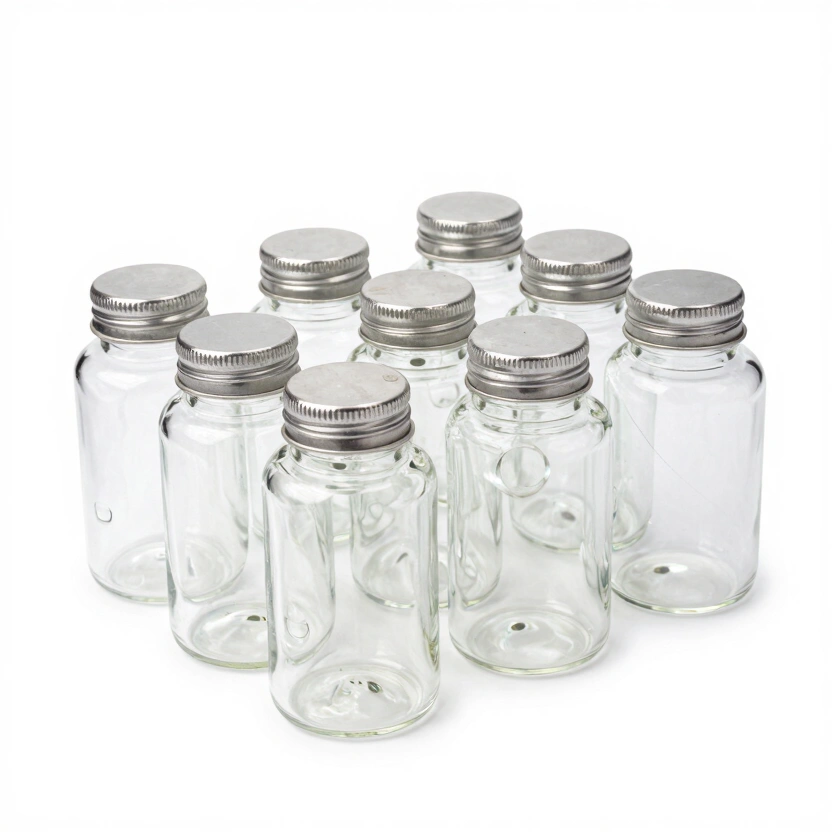
Artcome 10-Pack Glass Weights
Bulk set of heavy glass weights with easy-grip handles for large mason jar setups.
Check Price on Amazon* Affiliate links. Prices last updated March 3, 2026.
The 2-Batch Reuse Method: Economics of the Tonic
I wasted the beets from my first six batches before someone told me about the second-brew method. That was months of free kvass I just discarded.
One of the great secrets of Kvass is that you don’t have to throw the beets away after the first harvest.
- Batch 1: Once the liquid is deep red and tangy, strain it into a clean bottle and put it in the fridge.
- Batch 2: Keep the same beet chunks in the jar. Fill it back up with fresh salted water. Let it ferment for another 7 to 10 days.
- The Result: The second batch is often even better than the first, as the microbial colony is already established.
Secondary Infusions: Customizing Your Medicine
Plain Beet Kvass is an acquired taste. It’s earthy, mineral, and mildly sour — nothing like beet juice, and nothing like anything you’ve bought at a health food store. That unfamiliarity is the part people find difficult. Give it two weeks of daily 2 oz doses. The taste profile adjusts faster than most people expect — what starts as intensely mineral becomes almost pleasant. You can add secondary ingredients during the initial fermentation.
- The Ginger-Lemon Lift: Add 1 inch of sliced ginger and the peel of half a lemon for anti-inflammatory properties.
- The Minty Flush: Add a handful of fresh mint leaves to mask the “earthiness” of the beets.
- The Golden Tonic: Add turmeric powder and a pinch of black pepper for a powerful “Super-Kvass.”
The pH Verification: Ensuring Purity
Because Beet Kvass is a daily supplement, safety is paramount.
- The Milestone: Use your digital pH meter at day 5. You want to see a pH between 3.8 and 4.2.
- The Red Flag: If the liquid becomes thick and syrupy, you have a Pediococcus phase. It is safe, but wait an extra week.
Consumption Protocol: How to Drink Your Way to Health
Beet Kvass is not a soda; it is a nutritional supplement. Treat it with respect.
- The Beginner Phase: Start with 2 oz (60ml) in the morning on an empty stomach to let your gut adjust.
- The Wellness Standard: Once adjusted, 4-8 oz a day is the standard “maintenance dose” for liver support.
- The “Detox” Protocol: Some practitioners recommend 4 oz before every meal to stimulate digestive enzymes and bile.
Liver Health Research: The Evidence
This is the part that surprised me most when I dug into the actual studies — beet kvass isn’t just bioavailable beet juice. The fermentation process specifically increases the stability and absorption rate of betalains. Fresh beet juice oxidizes rapidly. Fermented kvass, stabilized by lactic acid, delivers those compounds intact.
- Nitric Oxide and Hepatic Flow: By increasing nitric oxide levels, Beet Kvass improves blood flow within the liver, allowing it to filter toxins more efficiently.
- Protection Against Steatosis: Fermented beetroot juice has shown a reduction in “fatty liver” markers in clinical studies.
- Glutathione Support: The betalains in beets support the production of glutathione — your body’s primary antioxidant defense.
Start at 2 oz per morning. After two weeks at that dose, your gut microbiome will have adjusted to the LAB load and the bile-stimulating effect of betaine — then move to 4 oz before each meal for the full liver support protocol. The second batch from the same beet chunks costs you nothing but a jar of salted water. That’s the part of beet kvass that makes it practical for daily use: it’s not a project you restart every week. It runs itself, batch after batch, until the beets are exhausted. Three medium beets, ten minutes of prep, and you have weeks of tonic.
For the scientific breakdown of what lactic acid fermentation does to nutrient bioavailability, see the Science of Probiotics and Gut Health.
Frequently Asked Questions
Why is my kvass thick and syrupy instead of liquid?
That’s a Pediococcus exopolysaccharide phase — the same mechanism described in the Slimy Fermentation guide. Safe. Beets are high in sugar, which makes them more prone to this phase than most vegetable ferments. Wait an additional 7-10 days. Later-stage bacterial enzymes break down the EPS and return the liquid to normal consistency on their own.
Do I need to peel the beets?
No — not for organic beets. The skin hosts the wild Lactobacillus population that starts the fermentation. Scrub them clean, cut into 1-inch chunks, drop them in unpeeled. For conventional beets with potential pesticide residue on the skin, peel them or switch to organic. The difference isn’t just philosophical — pesticide residues can inhibit LAB growth and stall your ferment.
How much alcohol does beet kvass contain?
Under 0.5% when fermented at 65-72°F with a 2.5% salt brine. If the liquid smells genuinely boozy, your kitchen ran above 75°F and yeasts outcompeted the bacteria. Fix: cooler location and a higher salt concentration — 3% instead of 2.5% — to suppress yeast activity. The smell is the tell. Properly fermented beet kvass smells earthy and mildly sour, not alcoholic.
There’s a white film on the surface. Is it still drinkable?
Skim it and continue. A flat, powdery white film is Kahm yeast — an aerobic yeast that forms on the oxygen-exposed surface zone. Remove it completely, wipe the jar walls above the brine line with a paper towel dampened in white vinegar, and check that your airlock is properly sealed. Fuzzy, three-dimensional growth that extends upward from the surface is mold — that’s a different situation. The Kahm Yeast vs. Mold Guide has the visual diagnostic to tell them apart definitively.
Can I use pre-packaged store beets for kvass?
Not the cooked, vacuum-sealed kind — cooking kills the wild microbes on the beet surface and destroys the enzymatic activity you need. Raw, whole beets only. Pre-washed raw beets are fine as long as they haven’t been treated with antimicrobial washes. When in doubt, organic whole raw beets are the safest starting point.
Related Articles
Tempeh DIY: Mastering the Rhizopus Mycelium at Home
Learn how to make high-protein tempeh from scratch. We explore fungal biology, incubation technology, and the science of the white mycelium.
Continuous Brew Kombucha: The Expert Guide to Scaling Your Probiotics
Stop cleaning jars every week! We explore the efficiency, safety, and science of the continuous brew kombucha system.
Fermenting Fruit: The Science of Fruit Shrubs and Drinking Vinegar
Master the art of the shrub! We explore the science of fruit fermentation, acid stabilization, and how to create complex drinking vinegars.