Fermented Cashew Cheese: A Professional Guide to Vegan Probiotics
Master the art of fermented vegan cheese. Learn how to culture raw cashews with probiotics or rejuvelac to create professional-grade, artisanal nut cheese.
Contents
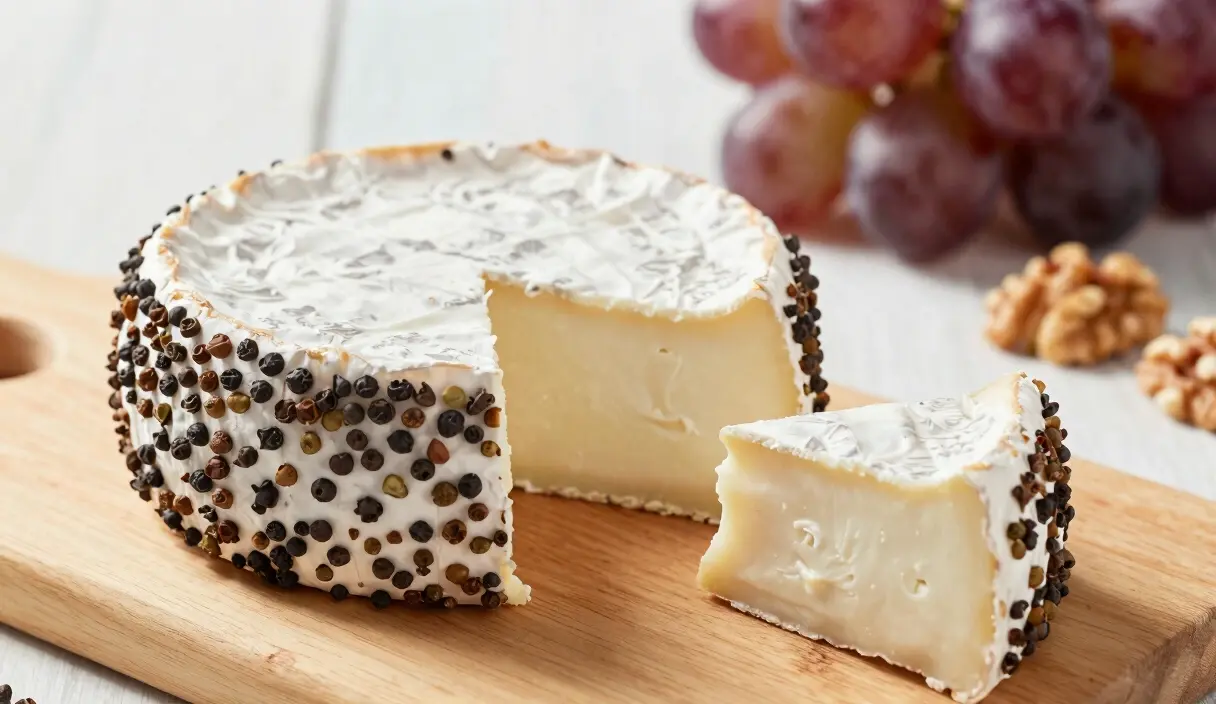
Raw cashews, a probiotic capsule, and 36 hours at room temperature. That’s how to make fermented cashew cheese that puts supermarket vegan blocks to shame. The chemistry here is real: Lactobacillus acidophilus converts the natural sugars in the cashews into lactic acid, dropping the pH, developing genuine tang, and creating a cultured product that isn’t just plant-based — it’s biologically alive. This guide covers the starter choices, the blending science, and the aging protocols that separate a flat cream from a sharp, professional nut cheese.
The Microbes: Choosing Your Starter
The secret to great nut cheese isn’t the nut; it’s the bacteria. You need a starter culture to kickstart the conversion of sugars into lactic acid.
1. Rejuvelac (The Traditional Choice)
Rejuvelac is a fermented liquid made from sprouted grains The full production process is covered in the traditional grain ferments guide. (like quinoa or wheat berries).
- Pros: Adds a unique, wild “earthiness” and complexity.
- Cons: Higher risk of failure for beginners, as you must first master grain fermentation.
2. Probiotic Capsules (The Precision Choice)
Emptying a high-quality probiotic capsule into your nut paste is the most reliable method for beginners.
- Best Strains: Look for capsules containing Lactobacillus acidophilus and Bifidobacterium.
- Pros: Pure, predictable results and high probiotic density.
Ingredients: It Starts with the Nut
You cannot use roasted or salted cashews for this process. The high heat of roasting kills the natural enzymes and changes the fat structure, preventing a smooth emulsion.
I’ve tried roasted cashews twice out of curiosity. Both times the paste refused to acidify and the texture came out grainy. Raw is not optional here.
- Raw Cashews: These are the gold standard because of their high fat content and neutral flavor.
- Water Quality: Use filtered water. Chlorine in tap water can inhibit or kill your starter culture. Learn more about water quality here.
- Salt: Use non-iodized sea salt. Salt regulates the fermentation speed and prevents the growth of unwanted bacteria.
Step-by-Step: The Primary Fermentation
1. Soaking (The Breakdown)
Soak your raw cashews for 4 to 8 hours. This step is crucial not just for blending, but for neutralizing phytic acid, making the nutrients more bioavailable and the nuts easier for the bacteria to digest.
2. Blending (The Emulsion)
Drain and rinse the nuts. Add them to a high-speed blender with a minimal amount of water and your starter culture. Blend until it is completely smooth. If you can feel any grit between your fingers, keep blending. Professional cheese should have the texture of silk.
Do not add extra water to “help” the blender. A thin paste will not firm up properly during culturing, and no amount of draining will fully recover it. Add water in half-teaspoon increments only.
3. The Culturing Phase (The Tang)
Transfer the paste to a clean glass bowl. Cover it with a cloth and let it sit at room temperature (around 20-22°C) for 24 to 48 hours.
- What to look for: The paste will become slightly “airy” or fluffy as CO2 is produced. It should smell pleasantly sour, like yogurt or mild sourdough.
Advanced Technique: Shaping and Aging
Once fermented, your cheese is essentially a “cream cheese.” To take it to the professional level, you need to age it.
If you open the bowl at 36 hours and it smells like nothing at all — no tang, no sourness — don’t taste it yet. That neutrality is the warning sign. It means the bacteria haven’t taken hold. Check the temperature and the age of your probiotic capsule before going further.
Most people stop at cream cheese stage. That’s leaving 80% of the flavor on the table — the aging phase is where the real complexity develops, and almost no home guides bother explaining it properly.
Mastering Vegan Cheese: Essential Reading
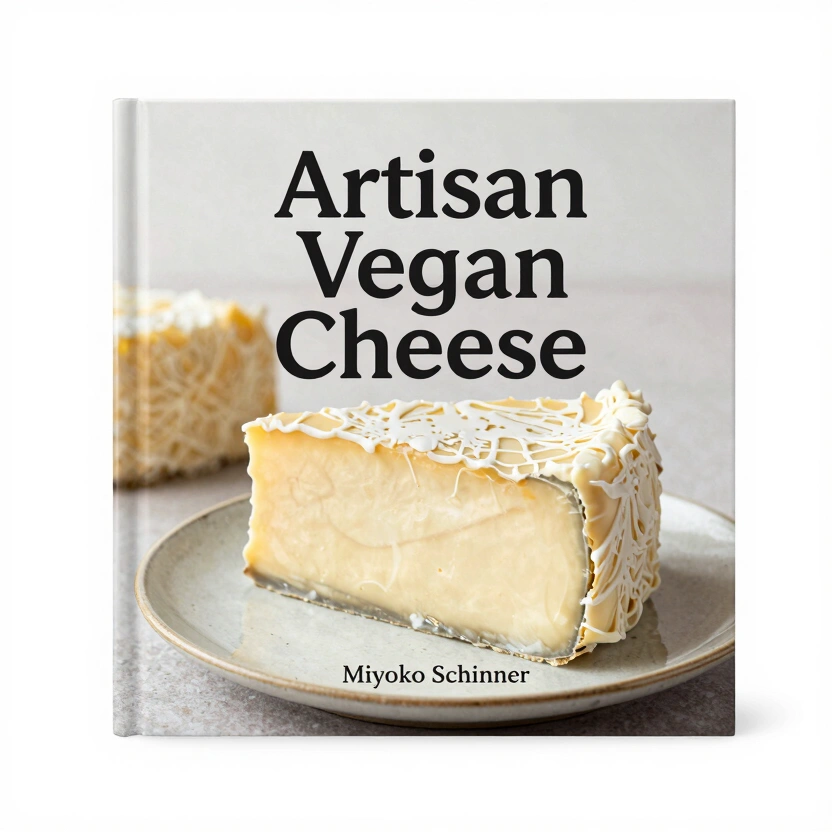
Artisan Vegan Cheese by Miyoko Schinner
The definitive guide to making cultured vegan cheeses from nuts and grains.
Check Price on Amazon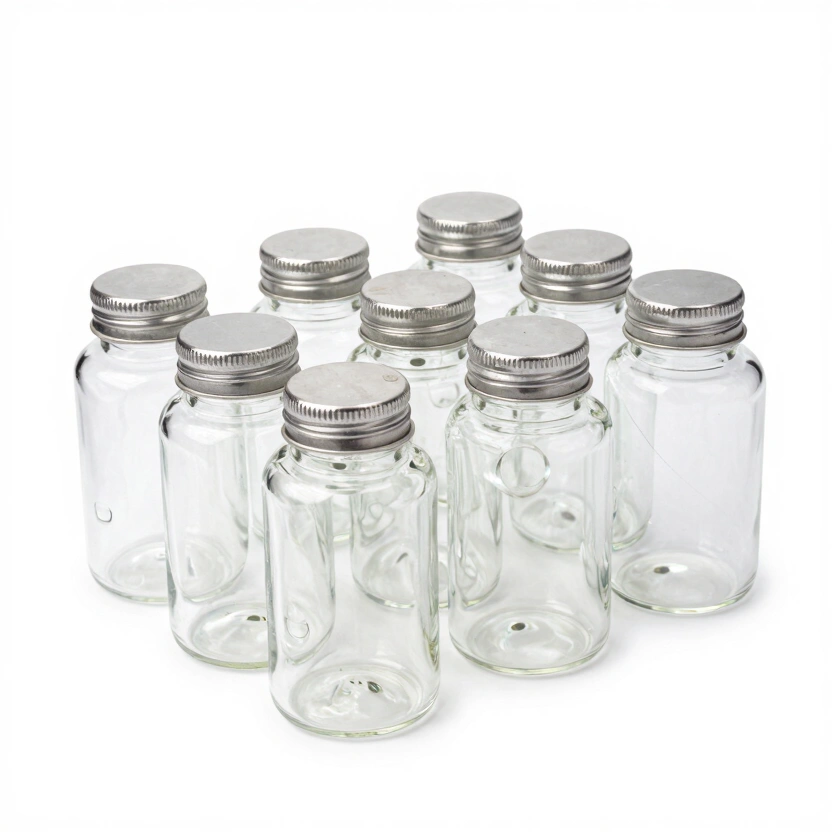
Artcome 10-Pack Glass Weights
Bulk set of heavy glass weights with easy-grip handles for large mason jar setups.
Check Price on Amazon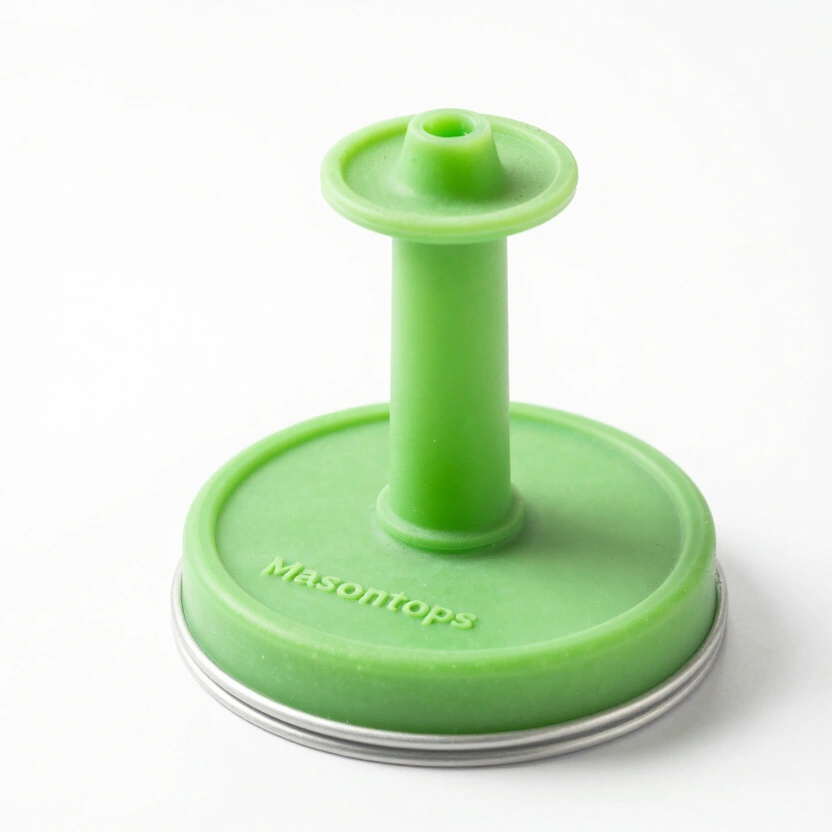
Masontops Pickle Pipe (Airlock Lids)
Waterless silicone airlock lids for easy, low-maintenance mason jar fermentation.
Check Price on Amazon* Affiliate links. Prices last updated March 3, 2026.
- Draining: Place the fermented paste into a cheesecloth-lined mold and weigh it down. This draws out excess moisture.
- Air-Aging: Remove the cheese from the mold and place it on a wire rack in the refrigerator. Over 1-3 weeks, it will develop a firm “rind” and the flavors will intensify significantly.
The first time you cut into a properly aged cashew wedge — two weeks on the rack, firm rind, a clean sour smell — it feels unreasonable. You made that from nuts and one probiotic capsule. No dairy, no coagulants, no rennet. The biology did it. Start the batch this weekend, not next month.
Ready to set up your home creamery? The best fermentation starter kits covers the glass bowls, cheesecloths, and temperature tools that keep nut cheese fermentation consistent.
Safety is paramount when working with high-protein ferments. Read our guide on pH Safety in Fermentation to ensure your home creamery stays within the safe microbial limits.
Frequently Asked Questions
My cheese has pink or orange spots — is it safe to eat?
No. Discard the batch. Pink, orange, or black discoloration signals contamination, most often Serratia marcescens, which moves in when equipment isn’t properly sterilized or the culturing temperature climbed above 25°C. Boil your equipment before the next attempt. Keep fermentation below 22°C, full stop.
How long does fermented cashew cheese actually last?
Cream cheese stage: 7-10 days refrigerated. Aged wedges that have formed a proper rind hold up to 4 weeks — the low pH and dried surface act as natural preservatives. Your nose is the real expiry date. Properly fermented cashew cheese smells like sour cream or mild blue cheese. The moment it smells putrid or chemical, it’s done.
Can I use macadamia or almond instead of cashews?
Yes, and each gives a distinct result. Macadamias produce an exceptionally rich, buttery cheese — more decadent than cashew but harder to source affordably. Almonds need to be blanched and peeled first; they yield a firmer texture closer to traditional Feta. Cashews remain the easiest entry point because their starch-to-fat ratio emulsifies cleanly in a high-speed blender without requiring extra stabilizers.
What if my paste doesn’t smell tangy after 48 hours?
Your starter culture is probably dead. This happens with old probiotic capsules stored at room temperature, or if the paste temperature dropped below 18°C during culturing. Open a fresh capsule from a refrigerated bottle, blend it into the existing paste, and give it another 24 hours somewhere genuinely warm. Cold kitchens kill this process. 20-22°C means warm counter, not ambient room temperature in January.
Do I need a high-speed blender, or will a regular blender work?
A regular blender will get you 80% of the way there. The remaining 20% — the complete absence of grit, the silk-smooth emulsion — requires at least 1200 watts. You can also use a food processor, but plan to blend for 3-4 minutes and scrape down the sides every 30 seconds. The goal is a paste where you genuinely cannot detect individual particles between your fingertips. That texture is the foundation of every aging and shaping step that follows.
Related Articles
Wild Yeast Harvesting: How to Start a Ginger Bug for Natural Sodas
Ditch the commercial yeast! Learn how to capture wild yeast from ginger to create naturally fizzy, probiotic sodas at home.
Fermenting Parsnips and Turnips: Mastering the Forgotten Roots
Why are parsnips and turnips the secret weapons of the crock? We explore the science of starchy root fermentation, sweetness, and savory depth.