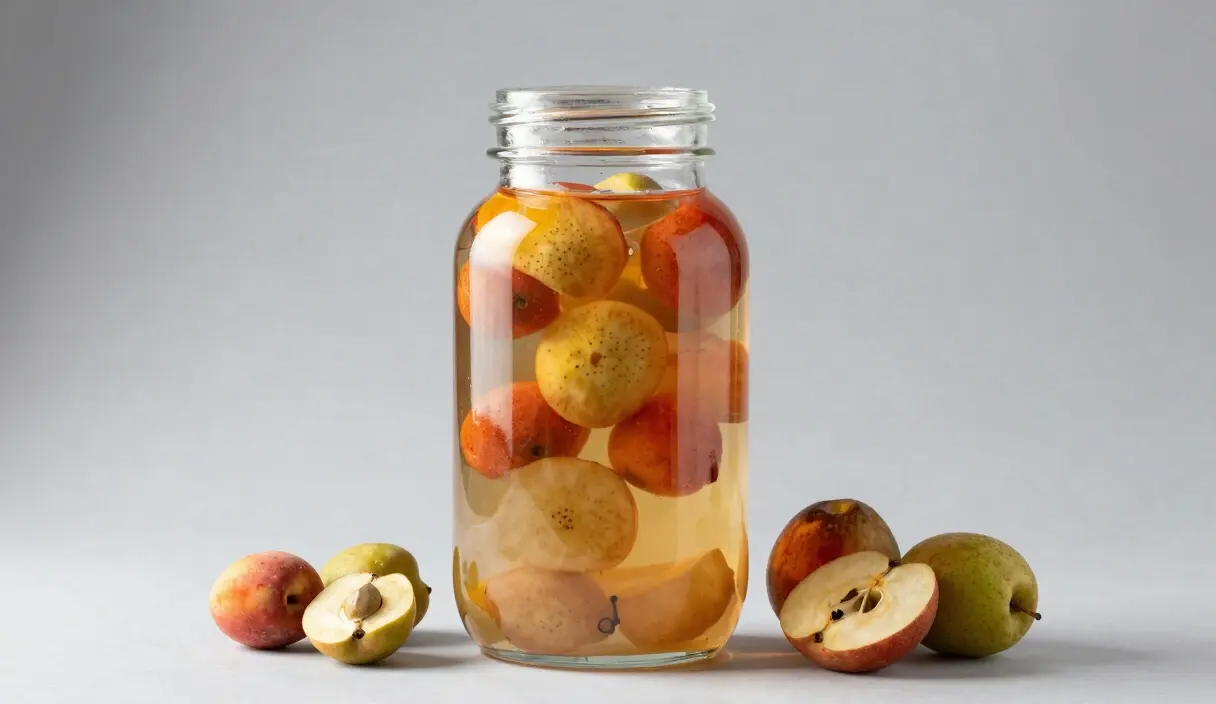
Fermenting Fruit: The Science of Fruit Shrubs and Drinking Vinegar
Master the art of the shrub! We explore the science of fruit fermentation, acid stabilization, and how to create complex drinking vinegars.
Contents
Picture 500 grams of fresh summer raspberries in a glass bowl. Add 500 grams of white sugar. Within an hour, the sugar has pulled the ruby-red juice out of every berry through osmosis — the same physical force that salt uses in vegetable fermentation. You have not added heat. You have not added water. The fruit did the work. Add an equal volume of apple cider vinegar 24 hours later, and you have a fruit shrub recipe — a concentrated drinking vinegar that drops the pH below 3.5, captures the fresh berry aroma in a shelf-stable form, and produces a depth of flavor that no fresh juice or commercial syrup can replicate. This is the science of extraction and acid stabilization, and it belongs in every home fermenter’s toolkit.
The History of the Shrub: From “Sharbat” to the Speakeasy
The word “shrub” is derived from the Arabic word sharbat, which means “to drink.”
The Colonial Preservation
In the 17th and 18th centuries, vinegar was the primary method for preserving surplus fruit. By macerating fruit in sugar and vinegar, sailors and pioneers could create a concentrate that prevented scurvy and made brackish water palatable.
The Modern Revival
Today, shrubs are used by elite mixologists and health enthusiasts as a sophisticated, low-sugar alternative to commercial soft drinks. They provide an “acidic pop” that no fresh juice can replicate.
The Chemistry of Preservation: Sugar, Acid, and Alcohol
To create a successful fruit shrub, you are managing a complex chemical environment.
Osmotic Extraction
When you mix fresh fruit with sugar, the sugar crystals perform Osmosis. Just like salt in vegetable fermentation, sugar draws the moisture—and the flavorful aromatic oils—out of the fruit cells. This creates a thick, flavorful syrup.
You want to start with the best fruit you can find. Not supermarket berries from February — those have no aromatic oils worth extracting. The shrub amplifies what’s already there. Watery, flavorless fruit produces watery, flavorless concentrate.
The Role of Acetic Acid
Vinegar (Acetic Acid) serves three functions:
- Safety: It drops the pH far below the 4.6 safety line.
- Solvent: It extracts deeper flavors from fruit skins.
- Stability: It prevents wild yeasts from turning the whole batch into alcohol.
The 1:1:1 Rule: The Foundation of Balance
The gold standard for a beginner shrub is the 1:1:1 Ratio.
- 1 Part Fruit (by weight)
- 1 Part Sugar (by weight)
- 1 Part Vinegar (by volume)
This provides enough sugar for extraction, enough acid for preservation, and enough fruit for a vibrant taste.
Cold Process vs. Hot Process: The Great Debate
The hot process gets recommended because it is fast. That is the only reason. If you have 24 hours, the cold process is not even a close comparison.
Here’s what nobody tells you about the first cold-process batch: after 24 hours in the refrigerator, the bowl looks almost exactly the same as when you started. The fruit is still there. The sugar has dissolved into a thick syrup around it. That syrup is the product — but you can’t see it until you lift the fruit with a spoon and watch the deep-colored liquid pool beneath it.
The Cold Process (The Purist’s Path)
Involves macerating fruit and sugar in the refrigerator for 24-48 hours before adding vinegar.
- Advantage: Preserves the “fresh” character and keeps heat-sensitive enzymes alive.
- Expert Verdict: For high-quality results, always use the Cold Process.
The Hot Process (The Rapid Extraction)
Simmering fruit and sugar to create a syrup, then adding vinegar.
- Advantage: Fast (ready in 1 hour). Jammy flavor.
- Disadvantage: Heat destroys delicate aromatics and wild microbes.
Vinegar Selection: The Frame for the Fruit
- Apple Cider Vinegar (ACV): The workhorse. Best for beginners.
- White Wine Vinegar: Crisp and clean. Perfect for peaches or apricots.
- Red Wine Vinegar: Bold. Best for blackberries or dark cherries.
- Champagne Vinegar: Floral and light. The elite choice for citrus.
The Step-by-Step Masterclass (Cold Process)
- Prep: Wash 500g of fresh berries and crush them in a glass bowl.
- Sweeten: Add 500g of sugar and stir.
- Macerate: Cover and refrigerate for 24-48 hours.
- Strain: Remove solids using a fine-mesh sieve.
- Acidify: Measure the syrup volume and add an equal volume of vinegar.
- Age: Place in the fridge for at least 1 week to let the flavors “marry.”
These are the tools that ensure an artisanal finish:
Top Shrub Making Tools
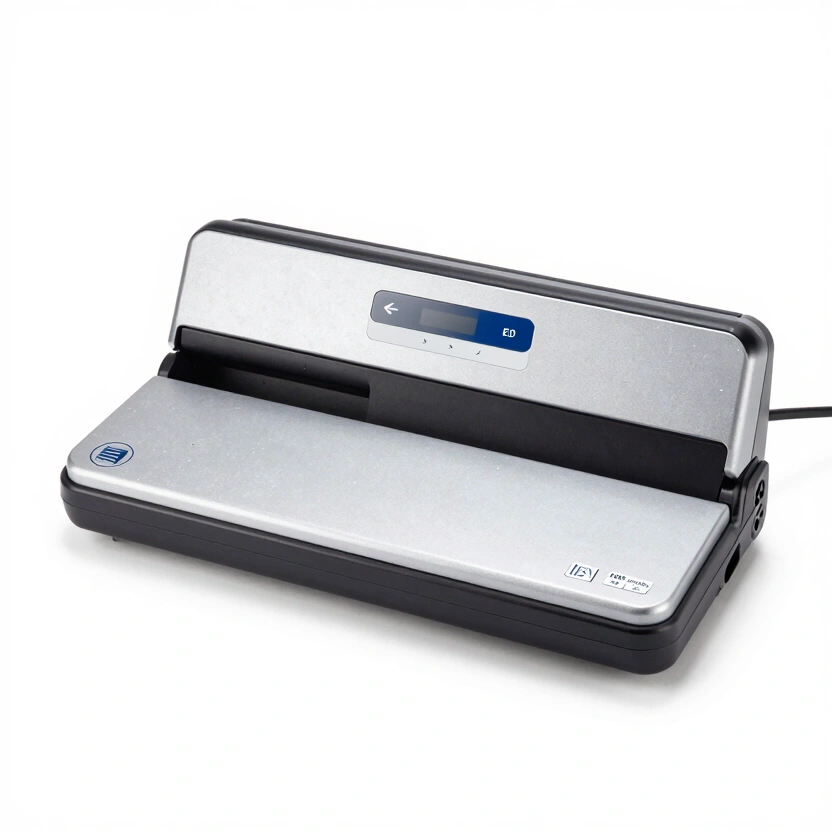
Bonsenkitchen Silver Vacuum Sealer
Affordable and powerful vacuum sealer, perfect for Noma-style bag fermentation and tempeh.
Check Price on Amazon
Apera Instruments PH20 pH Meter
Professional-grade digital pH tester, essential for verifying safety in low-acid ferments.
Check Price on Amazon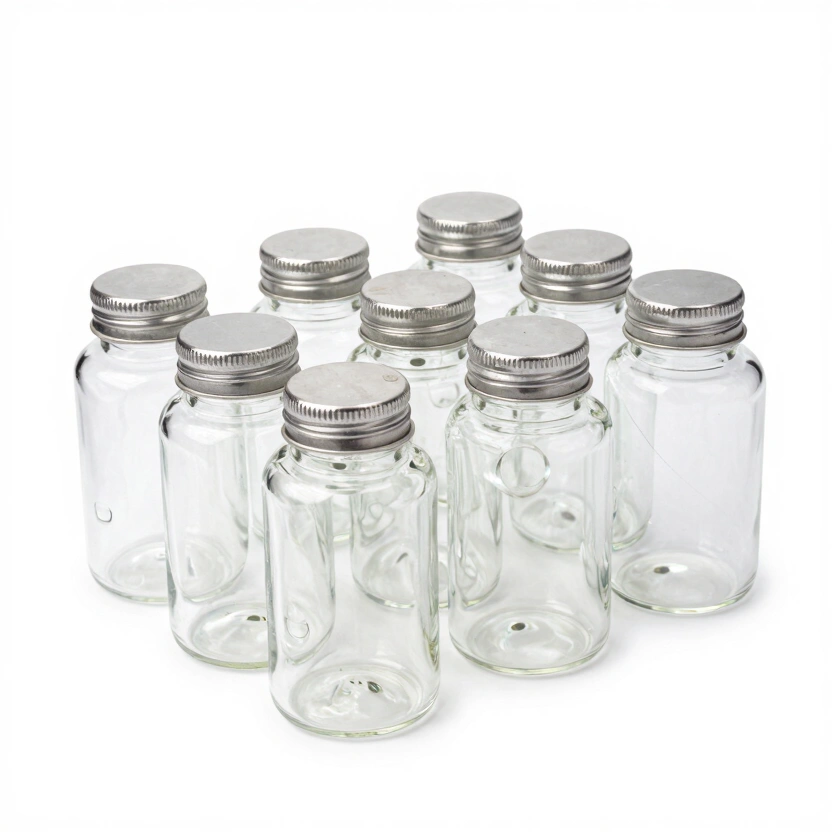
Artcome 10-Pack Glass Weights
Bulk set of heavy glass weights with easy-grip handles for large mason jar setups.
Check Price on Amazon* Affiliate links. Prices last updated March 3, 2026.
Flavor Balancing: The “Acid-Sweet” Axis
I ruined my first four batches by adding all the vinegar at once and assuming the recipe ratios were perfectly calibrated. They are not. Every fruit has a different sugar content and different aromatic oil concentration. Taste as you add.
- Too Sour? Add more simple syrup.
- Too Sweet? Add vinegar 1 tablespoon at a time.
- Lacking Depth? Add botanicals like rosemary or peppercorns during maceration.
Your nose is the real instrument here. Before you add a single drop of vinegar, smell the strained syrup. If it already smells flat or oxidized, the maceration went too long. Fresh syrup should hit you with concentrated fruit. Muted means you waited too long — or the refrigerator wasn’t cold enough.
Culinary Mixology: Beyond the Glass
The Virgin Sparkler
1 oz Shrub to 5 oz Sparkling Water. The vinegar provides the “bite” missing from most mocktails.
The Craft Cocktail
Use 1 oz of berry shrub in a Gin or Bourbon sour for a fermented depth that simple syrup cannot match.
The Kitchen Secret
- Glazes: Brush a peach shrub over grilled salmon.
- Vinaigrettes: Whisk a strawberry shrub with olive oil for a vibrant dressing.
Shelf-Life and Safety: Is it Still Safe?
The vinegar does most of the preservation work here. A properly made shrub with a 1:1:1 ratio drops the pH well below 3.5 — far below the 4.6 threshold where pathogens become a concern. That said, mold can still grow on any exposed fruit residue above the liquid line.
- Longevity: Refrigerated shrubs last 6 to 12 months.
- The “Mother”: If a slimy blob forms, it is likely the vinegar “mother.” It is safe to strain out.
- Warning: If you see fuzzy mold, discard the batch.
A well-made shrub is a shelf-stable concentrate that improves over weeks. The first taste, straight from the bottle, will seem overpoweringly acidic — that’s normal. Add it to sparkling water at a 1:5 ratio and the balance clicks. Give it a full week before you judge it. Two weeks, and the vinegar edge has softened into something a cocktail bar would charge a premium for. Make the batch now; the patience is built into the process.
For the vessel side of this project, the best fermentation jars covers the wide-mouth glass containers and swing-top bottles that are ideal for macerating and storing fruit shrubs.
For a deeper look at how acidity determines food safety across fermented and preserved foods, the pH Safety in Fermentation guide explains the thresholds that apply to vinegar-based preservation as well as lacto-ferments.
Frequently Asked Questions
Is there any alcohol in a cold-process shrub?
Under 0.5% if you refrigerate it during maceration. Cold temperature suppresses wild yeast activity, keeping the process in osmotic extraction mode rather than fermentation mode. Room-temperature maceration past 48 hours can push toward 1-2% alcohol if the fruit carries significant wild yeast. For a genuinely alcohol-free result, refrigerate from the moment you add sugar.
Can I use frozen fruit?
Yes — and for some berries, frozen is actually better. Ice crystals rupture cell walls during freezing, giving you faster and more complete osmotic extraction when you add sugar. Frozen raspberries, strawberries, and blackberries often produce a deeper-colored, more intense shrub than fresh counterparts. Thaw them partially before adding sugar so osmosis starts at surface temperature rather than from frozen solid.
White sugar or honey — which produces a better shrub?
White sugar extracts cleanly and lets the fruit flavor dominate. Honey adds its own aromatic complexity — floral notes, slight earthiness — which can complement or compete with the fruit depending on variety. For citrus, honey is a natural match. For delicate summer berries, white or light cane sugar is cleaner. Use roughly 0.8 parts honey to 1 part sugar by weight, since honey is denser and sweeter by volume.
My shrub tastes fine but looks slightly cloudy. Is that normal?
Cloudiness in a cold-process shrub comes from suspended fruit particulates and, occasionally, an early “mother” forming from live apple cider vinegar. Both are harmless. If clarity matters — for serving in glassware, or for gifting — strain through a fine-mesh sieve lined with an unbleached coffee filter. The flavor is identical either way.
Can I make a shrub with herbs or spices added?
Yes, and this is where the real experimentation starts. Add botanicals directly during the maceration stage — rosemary with strawberry, black pepper with peach, ginger with any citrus fruit. Soft herbs (basil, mint) need only 24 hours before they overpower. Woody herbs and whole spices can stay for the full maceration period. Taste at 12 hours, then 24, and strain when the balance is right.
Related Articles
Wild Yeast Harvesting: How to Start a Ginger Bug for Natural Sodas
Ditch the commercial yeast! Learn how to capture wild yeast from ginger to create naturally fizzy, probiotic sodas at home.
The Visual Masterclass: Distinguishing Kahm Yeast, Mold, and Biofilms
Is that white film on your sauerkraut mold or just harmless kahm yeast? Learn how to identify and prevent fermentation failures.
Fermenting Parsnips and Turnips: Mastering the Forgotten Roots
Why are parsnips and turnips the secret weapons of the crock? We explore the science of starchy root fermentation, sweetness, and savory depth.