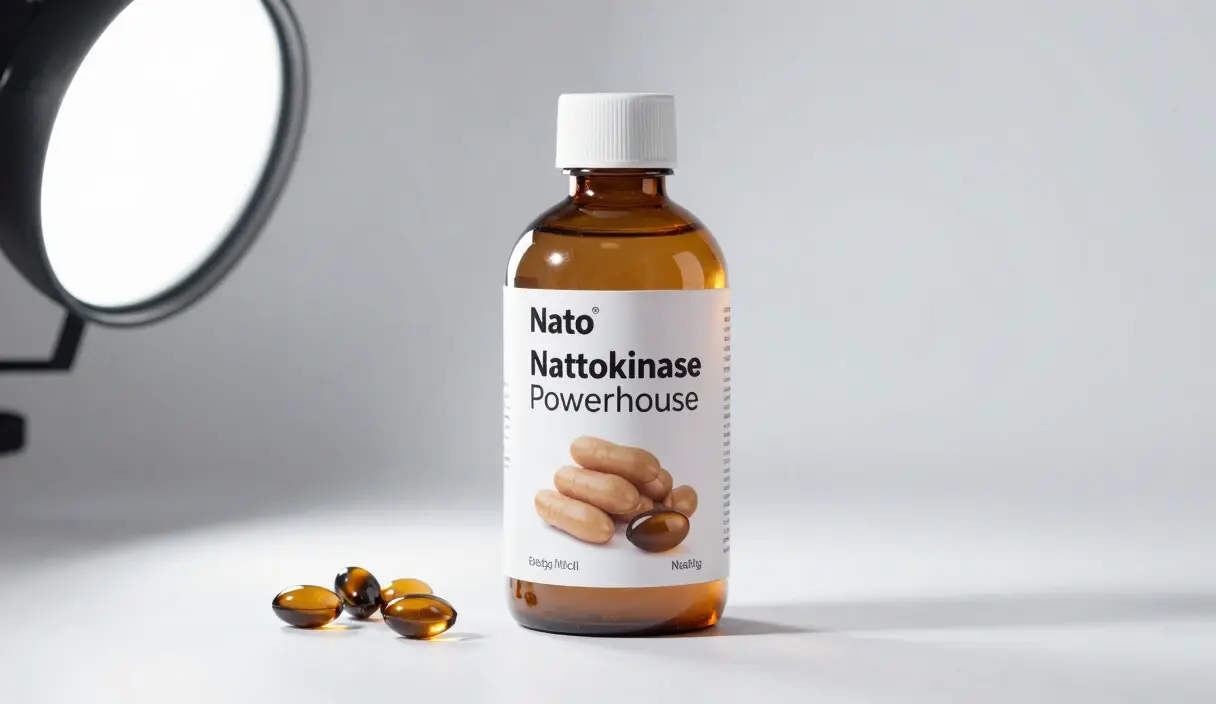
Natto Health Benefits: The Science of Nattokinase and Vitamin K2
Is it a superfood or a challenge? The science of Natto — nattokinase, vitamin K2 MK-7, and how to make it at home with precision temperature control.
Contents
Nara, Japan. Approximately 750 AD. Buddhist monks at Gangō-ji temple — one of the seven great Nara temples, commissioned by Emperor Shōmu himself — were traveling between monasteries. Cooked soybeans, packed in rice straw for the journey, fermented spontaneously in the warmth of transport. The monks ate them because Buddhist precept prohibited food waste, regardless of what the straw-wrapped beans had become. Sticky. Pungent. Strong-smelling. The medicinal properties became apparent quickly enough that the practice was codified in monastic records. It would take another thousand years before nattō became a Japanese breakfast staple rather than a monk’s reluctant remedy. The natto health benefits documented in today’s clinical literature are built on that accidental straw-ferment from Nara.
If you’ve ever opened a container of natto and immediately questioned your life choices, that reaction is documented, normal, and temporary. The ammonia hit from alkaline Bacillus subtilis fermentation is the first thing most people encounter — and the last thing that should determine whether they try it again. The science of nattokinase, Vitamin K2 MK-7, and polyglutamic acid is specific and measurable. Here is what the biology does, how to make natto at home with precision temperature control, and how to manage the aroma that tests first-timers.
1. What is Natto? The Alkaline Anomaly
Most ferments we discuss, like Sauerkraut, are acidic. Natto is a rare Alkaline Fermentation.
The Biological Worker
Natto is created by the bacterium Bacillus subtilis var. natto. This organism produces enzymes that break down soybean proteins into free peptides — bioavailable in ways that raw soy is not.
- The pH Shift: While most ferments drop the pH below 4.6, Natto raises it, creating a basic environment that releases specific aromatic compounds like pyrazines and ammonia.
2. The Science of Nattokinase: Cardiovascular Mechanism
The most clinically studied component of Natto is an enzyme called Nattokinase, which is produced exclusively by Bacillus subtilis var. natto.
If you’ve ever read a supplement label claiming “nattokinase equivalent” derived from a powder in a capsule and wondered whether it matches eating the actual beans — the bioavailability research consistently favors the whole food. The enzyme survives gastric transit in natto’s protein matrix in ways that isolated capsule forms may not replicate.
Fibrinolytic Activity
Nattokinase works through fibrinolysis — the enzymatic dissolution of fibrin, the protein that forms blood clots. This is the same process your body uses naturally, and nattokinase amplifies it.
- Heart Support: By enhancing the body’s baseline fibrinolytic activity, it helps maintain healthy blood flow and supports normal blood pressure.
- Bioavailability: Unlike most enzymes, nattokinase can survive gastric transit and enter the bloodstream in an active state — a property most food-derived enzymes lack.
3. Vitamin K2 (MK-7): The Calcium Architect
Natto is the world’s richest source of the MK-7 form of Vitamin K2, a nutrient missing from 90% of modern diets.
The Traffic Cop
Vitamin K2 ensures your calcium goes to your bones and not your arteries.
- Bone Health: It activates proteins that lock calcium into the bone matrix.
- Artery Protection: It prevents calcium from depositing in your blood vessels (calcification).
4. Handling the Smell: Managing the “Funk”
I’ll be honest: the first time I opened a fresh batch of home-made natto, I almost quit. The ammonia hit was genuinely startling. But aeration made it manageable within 60 seconds, and by the time it was cold the next morning, the aroma had shifted entirely to something closer to aged parmesan.
The distinctive scent of Natto is a result of the ammonia released during alkaline fermentation.
How to Mellow the Aroma:
- Aeration: Vigorously mixing the beans with chopsticks releases the volatile ammonia into the air.
- Acid Balancing: A splash of rice vinegar or citrus juice chemically binds the alkaline aroma, making it much milder.
- Cold Serving: Eat it straight from the fridge; cold Natto has a much less intense profile.
5. The Science of the “Strings”: Polyglutamic Acid (PGA)
The long, sticky strings (neba-neba) are composed of Gamma-Polyglutamic Acid.
- Mineral Delivery: PGA helps your body absorb the high levels of calcium and magnesium found in soybeans.
- The Strength Test: Artisanal makers judge a batch by the “chopstick lift”—a strong batch can pull strings over three feet long!
6. DIY Natto: The 24-Hour Protocol
Most guides skip this: inoculation temperature matters enormously. Below 160°F when you add the spores, competing bacteria get established first. Above 200°F, you kill the spores outright. Narrow window. Nail it.
The thing nobody tells you about home natto production: the first 8 hours look like nothing is happening. No strings. No smell. No visible change. That silence is normal — Bacillus subtilis is establishing its colony below the surface of the beans before the visible transformation begins. The frustration comes from expecting action at hour 4. Trust the temperature and wait for hour 16.
Making natto at home is faster than miso. It is not simpler. Precision temperature control matters throughout both phases.
Ingredients:
- 500g Small Organic Soybeans
- 1 packet of Natto Starter (Bacillus subtilis spores)
Step-by-Step:
- Soak: Soak for 12-18 hours.
- Steam: Steam until tender but firm. Steaming is superior to boiling for texture.
- Inoculate: While the beans are hot (180°F), sprinkle the spores. The heat prevents “bad” bacteria from landing.
- Incubate: Place in a shallow tray and keep at a steady 100°F to 104°F (38°C to 40°C) for 22 to 24 hours. Temperature consistency matters here more than for most ferments — see the Fermentation Temperature Control Guide for setup options including Inkbird controllers and food dehydrators repurposed as incubators.
- Age: Move to the fridge for 24 hours to finish the flavor development.
These are the tools that ensure a successful and safe Natto experience:
Top Natto Brewing Gear
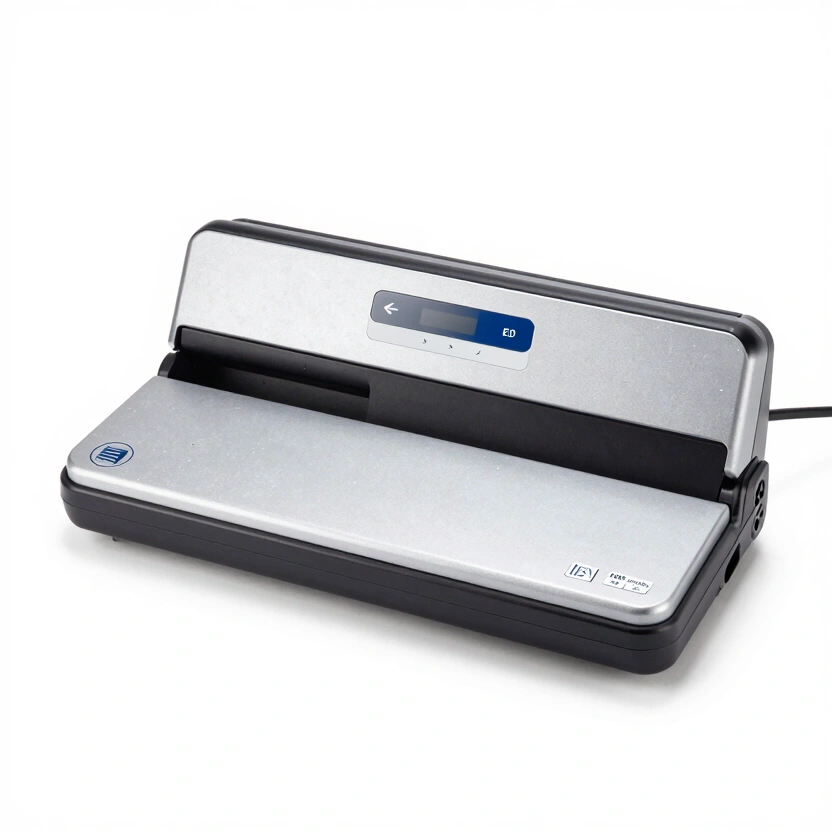
Bonsenkitchen Silver Vacuum Sealer
Affordable and powerful vacuum sealer, perfect for Noma-style bag fermentation and tempeh.
Check Price on Amazon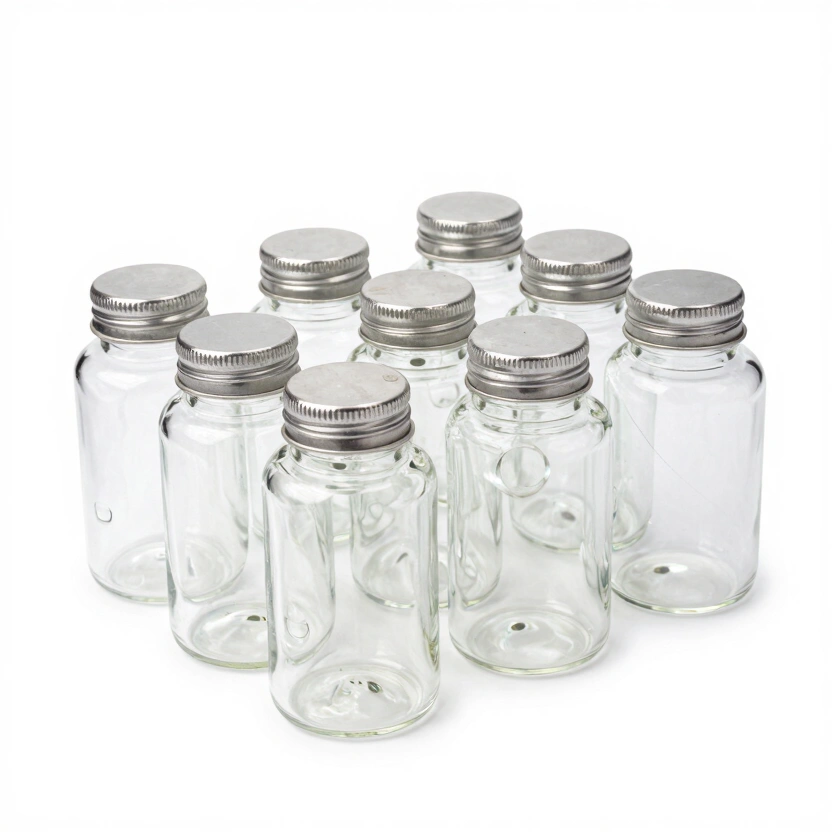
Artcome 10-Pack Glass Weights
Bulk set of heavy glass weights with easy-grip handles for large mason jar setups.
Check Price on Amazon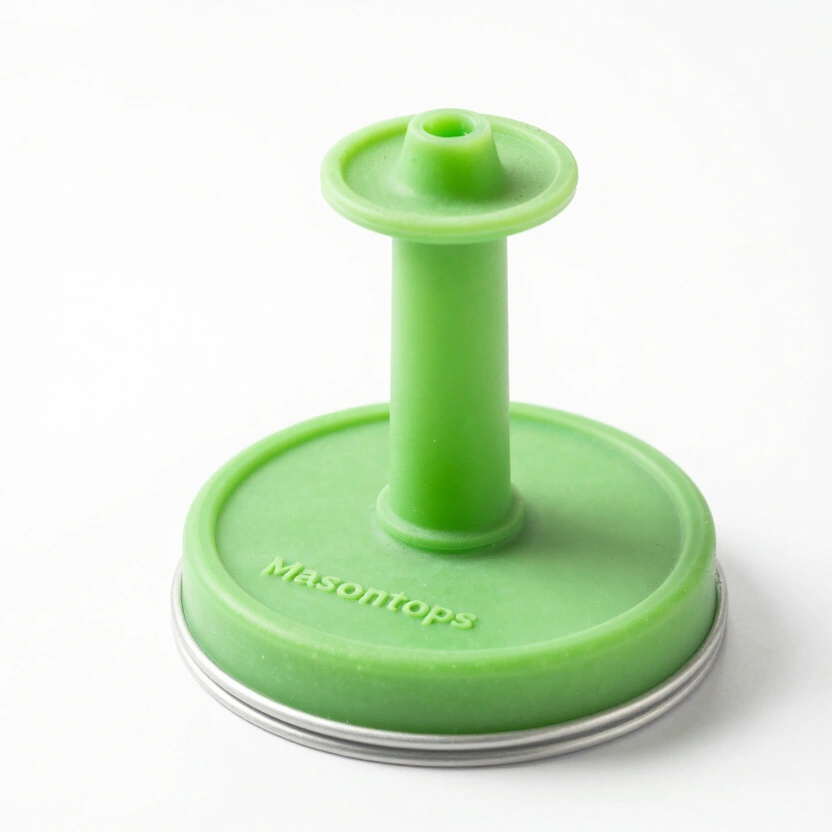
Masontops Pickle Pipe (Airlock Lids)
Waterless silicone airlock lids for easy, low-maintenance mason jar fermentation.
Check Price on Amazon* Affiliate links. Prices last updated March 3, 2026.
7. Culinary Pairings: How to Eat Natto
- The Traditional: Hot rice, raw egg yolk, and hot mustard (Karashi).
- The Modern: Sourdough toast with avocado and red chili flakes.
- The Soup Booster: Stir into miso soup at the end — after heat is off — to keep the enzymes alive.
8. Medical Caution: Vitamin K and Blood Thinners
Because Natto contains a concentrated dose of K2 — roughly 1,103 micrograms per 100 grams — it can interfere with blood-thinning medications like Warfarin. Crucial: If you are on prescription blood thinners, consult your doctor before consuming Natto.
9. Longevity Research: The Japanese Advantage
If you’ve spent years avoiding natto because of the smell and later discovered the K2 and nattokinase data — that specific frustration of having avoided a demonstrably beneficial food for aesthetic reasons — is genuinely common. The smell is manageable. The data is real.
Here is the number that stopped me: 90,000 adults. Not a small controlled trial, not a meta-analysis of weak studies. A large-scale longitudinal cohort study, and the natto eaters consistently showed lower cardiovascular mortality across multiple confounding variables. Real numbers.
A study of over 90,000 adults in Japan showed that those with the highest intake of fermented soy (specifically Natto) had a lower risk of death from cardiovascular disease and stroke. This correlation holds even when controlling for other dietary factors, and researchers believe nattokinase bioavailability — specifically its ability to survive gastric transit and enter the bloodstream — is a primary driver.
One 45-gram serving delivers approximately 7,500 FU of nattokinase activity — the dosing threshold where published cardiovascular studies show measurable fibrinolytic benefit. That’s 3 tablespoons. Cold, from the fridge, on hot rice with a small amount of karashi (Japanese mustard). The monks at Gangō-ji ate it because wasting food was spiritually impermissible. You can eat it because the biology is documented, the 90,000-person study exists, and the ammonia smell dissipates within 60 seconds of aeration.
Natto’s cardiovascular and gut microbiome effects don’t operate in isolation — they interact with the broader fermented food ecosystem in your diet. The Science of Probiotics and Gut Health covers the clinical evidence across fermented food categories and how alkaline ferments like natto fit alongside acidic LAB-based foods.
Frequently Asked Questions
My home natto has almost no strings after 22 hours. What went wrong?
String production is the visible proxy for polyglutamic acid (PGA) synthesis — which requires adequate Bacillus subtilis activity throughout the incubation period. Weak strings usually mean one of three things: incubation temperature dropped below 38°C (100°F) at some point, the beans were too wet when inoculated (diluting spore concentration), or the incubation ended too early. Check your actual temperature with a secondary probe, not just the dehydrator display. The target range is 38-40°C for the full 22-24 hours. A batch at 35°C for 22 hours produces meager strings and muted flavor — both are fermented, but only one is natto.
The thing nobody mentions: does home natto actually smell worse than commercial natto?
Yes, typically. Commercial natto is cold-chain controlled from the moment fermentation ends, which arrests further Bacillus subtilis activity and limits ongoing ammonia production. Home natto continues developing at room temperature after removal from the incubator, producing more ammonia during the transfer-to-fridge window. Immediate refrigeration after incubation is non-negotiable. Move it to the fridge within 15 minutes of opening the incubator, and the smell difference versus commercial becomes minimal after 24 hours of cold aging.
Can I use frozen soybeans instead of dried for home natto production?
Not recommended. Frozen soybeans have compromised cell wall integrity from the ice crystal damage during freezing — they steam to a mushy texture that doesn’t hold the beans’ structure during the 22-24 hour fermentation. The Bacillus subtilis needs a firm, intact bean surface to build the PGA web correctly. Dried small soybeans (preferably from a Japanese grocery — Shirakiku or Fujiwara brands) soaked 12-18 hours and steamed produce the right texture: tender but holding their shape under gentle pressure.
If natto nattokinase is so effective, why don’t doctors prescribe it instead of blood thinners?
Standardization. Pharmaceutical anticoagulants like Warfarin have precisely defined dosing, predictable pharmacokinetics, and measurable blood plasma levels. Nattokinase content varies between batches, brands, and preparation methods. The 7,500 FU figure is an average, not a guaranteed per-serving dose. Medical prescribing requires dosing precision that food ferments cannot reliably guarantee. That doesn’t mean the cardiovascular benefit isn’t real — the 90,000-person cohort study suggests it is. It means natto works as a dietary practice, not as a pharmaceutical intervention.
How does natto’s Vitamin K2 MK-7 differ from the MK-4 form in supplements?
Half-life. MK-7 has a serum half-life of approximately 72 hours compared to MK-4’s 1-2 hours. A single 45-gram serving of natto delivers enough MK-7 to maintain active blood levels for 3 days — which is why daily natto consumption in Japan produces cumulative bone and arterial health effects that sporadic MK-4 supplementation struggles to replicate. The MK-7 form is also more bioavailable at physiological doses. If you’re comparing natto to a K2 supplement, look specifically for the MK-7 form; MK-4 supplements require multiple daily doses to achieve comparable coverage.
Related Articles

Koji-Kin: The 'National Fungus' and its Enzymatic Power
Master the foundation of Japanese fermentation. We explore the science of Aspergillus oryzae and how to grow koji at home.
Water Kefir vs. Milk Kefir: Which Probiotic Drink is Right for You?
Choosing between dairy and water kefir? We compare the probiotics, preparation, and health benefits of these two legendary ferments.

Liquid Gold: The Technical Guide to Brewing Your First Gallon of High-End Mead
Master the ancient art of honey wine. Learn the science of honey, yeast management, and precision brewing for your first gallon of mead.