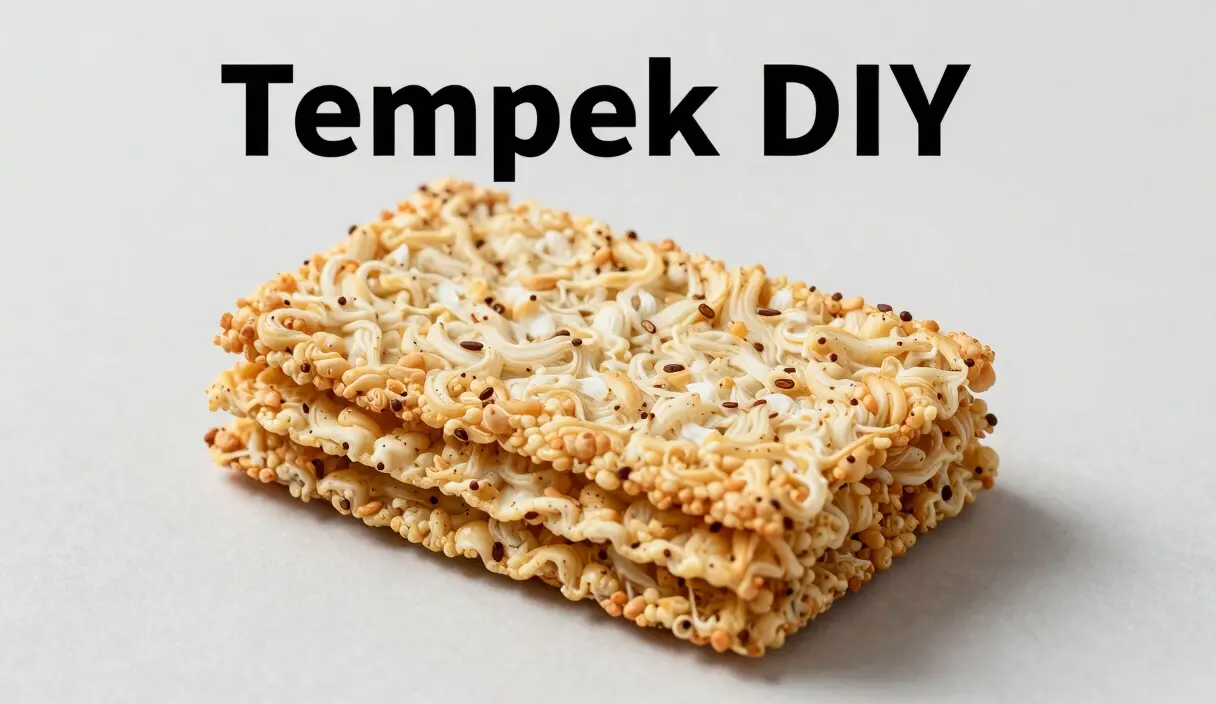
Tempeh DIY: Mastering the Rhizopus Mycelium at Home
Learn how to make high-protein tempeh from scratch. We explore fungal biology, incubation technology, and the science of the white mycelium.
Contents
Tempeh is the only fermented food on this site where you can visually watch the culture grow in real time — white mycelium visibly covering the beans over 24-36 hours. At hour 20, it looks like nothing is happening. At hour 32, you have a solid white slab. The difference between those 12 hours is everything.
Unlike the living brines and bubbling jars most fermenters start with, tempeh is solid fermentation: Rhizopus oligosporus binding beans into a dense cake through physical mycelium threads. This guide cuts straight to the biology, the metabolic heat spike you must manage at hour 20, and the precise protocols that separate a successful white cake from a bacterial failure.
The Biology of Rhizopus: The White Weaver
To make great tempeh, you must stop thinking like a cook and start thinking like a fungal farmer. Your goal is to provide the perfect habitat for Rhizopus oligosporus.
What is Rhizopus?
Rhizopus is a genus of filamentous fungi. Unlike the “bad” molds, Rhizopus oligosporus is a domesticated strain specifically adapted for legume fermentation.
- The Mycelium: The “white fuzz” you see is the mycelium—the vegetative part of the fungus. It acts like a biological glue, binding the beans together.
- Enzymatic Breakdown: As the mycelium grows, it secretes enzymes that pre-digest the soybeans, neutralizing the oligosaccharides that cause bloating.
The Lifecycle
- Inoculation: Spores are introduced to cooked, cooled beans.
- Germination: Within 12 hours, the spores wake up and begin to send out tiny threads.
- The Heat Phase: Between 18 and 24 hours, the metabolic activity becomes so intense that the beans generate their own heat.
- Maturation: The mycelium thickens, turning the beans into a solid white cake.
The Thermal Mandate: The 85°F - 90°F Rule
Temperature is the single most important variable in tempeh making. Rhizopus is a “Goldilocks” organism—it has a very narrow window of success.
I’ve tested this at every temperature between 78°F and 96°F. Below 80°F you get a soggy, slow-growing mess. Above 95°F the mycelium dies mid-run and you end up with a very expensive compost pile.
- Ideal Range: 85°F to 90°F (29°C to 32°C).
- Below 80°F: The fungus grows too slowly, allowing spoilage bacteria to move in.
- Above 95°F: The fungus begins to “cook” itself and die.
The Metabolic Heat Spike
At the 20-hour mark, your tempeh will start producing its own heat. Master makers know to lower the incubator temperature slightly once the mycelium is visible to prevent overheating.
This is the point where most first batches fail — not because the maker did anything wrong, but because nobody warned them. The beans go in at 87°F. Twelve hours later the incubator reads 95°F. The Rhizopus is cooking itself alive. Open the door, let it drop, and you’ve saved the batch. Ignore it, and you have hot beans.
Acidification: Why Vinegar is Your Best Friend
Fungus loves a slightly acidic environment, but most spoilage bacteria hate it.
Before inoculation, you must lower the surface pH.
- The Technique: Adding 1-2 tablespoons of vinegar per pound of cooked beans ensures the surface pH is around 4.5 to 5.0. This acts as a chemical “shield,” allowing the Rhizopus spores to grow without competition.
Bean Preparation: The De-hulling Requirement
If you use whole soybeans with their skins intact, the fungus will struggle to penetrate the bean.
The Traditional Way
Soak the beans, then rub them between your hands to loosen the skins. The skins will float to the top for removal.
The Modern Shortcut
Buy “split” soybeans or use a grain mill to crack the beans before soaking. This ensures the mycelium has direct access to the nutrient-rich interior of the bean.
Moisture Control: Dry to the Touch
This is where most tempeh failures occur. If your beans are too wet, you will grow bacteria (slime) instead of fungus (fuzz).
Most guides barely mention drying time — and I wasted two batches before I understood why wet beans are the #1 killer of first-time tempeh. Dry them completely.
The fungus and bacteria are competing for the same surface. Bacteria win in wet environments. Fungus wins in dry ones. This is not a metaphor — it’s a direct competition happening on the surface of each bean. Give the fungus the advantage it needs: dry beans, vinegar acidification, and a warm start.
- The Goal: After boiling, the beans must be “dry to the touch.”
- The Technique: Use a fan or a hair dryer to speed up evaporation after draining. The outside must be dry, while the inside remains moist.
Packing and Respiration: The Perforated Bag
Rhizopus is an aerobic organism—it needs to breathe.
- The Container: Use a plastic Ziploc bag or a stainless steel tray.
- The Perforations: You must poke holes every 1 inch using a toothpick. This allows just enough oxygen for the fungus while keeping the moisture stable.
- The Thickness: Aim for 1 to 1.5 inches. Too thick, and the center will rot.
Incubation Setup: Consistency is Key
You don’t need a professional lab, but you do need a stable warm spot.
The Oven Method
Many ovens have a “dehydrate” setting that keeps the interior at around 85°F. Check the temperature with a probe first.
The Seedling Mat Method
As we discussed in our Temperature Control Masterclass, using a seedling heat mat with an Inkbird controller is the gold standard.
These are the tools that ensure a stable environment for your fungus:
Top Tempeh Making Gear
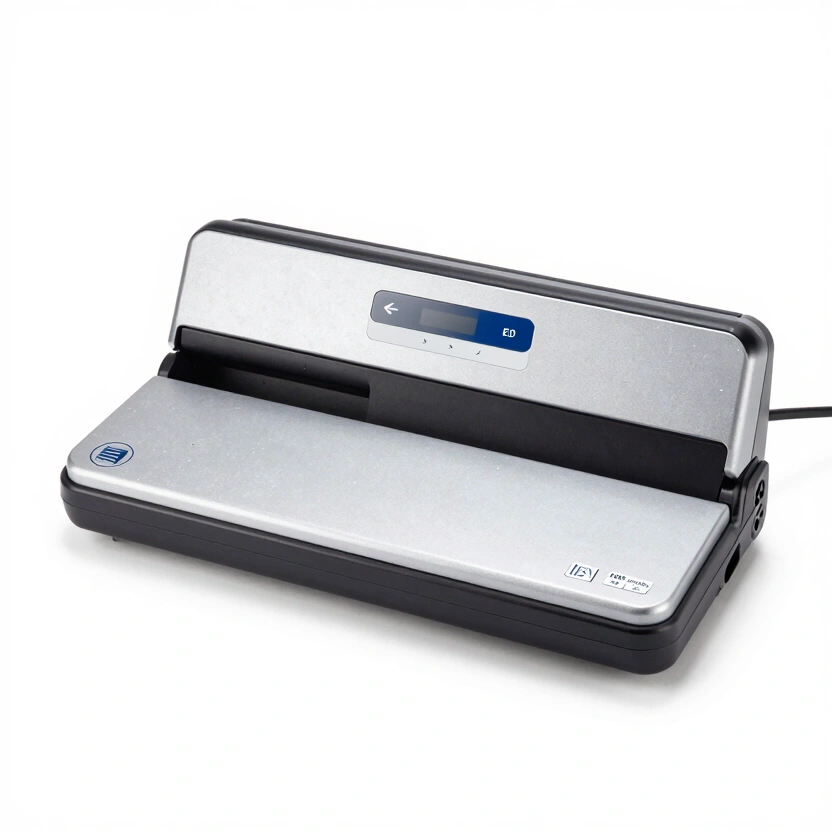
Bonsenkitchen Silver Vacuum Sealer
Affordable and powerful vacuum sealer, perfect for Noma-style bag fermentation and tempeh.
Check Price on Amazon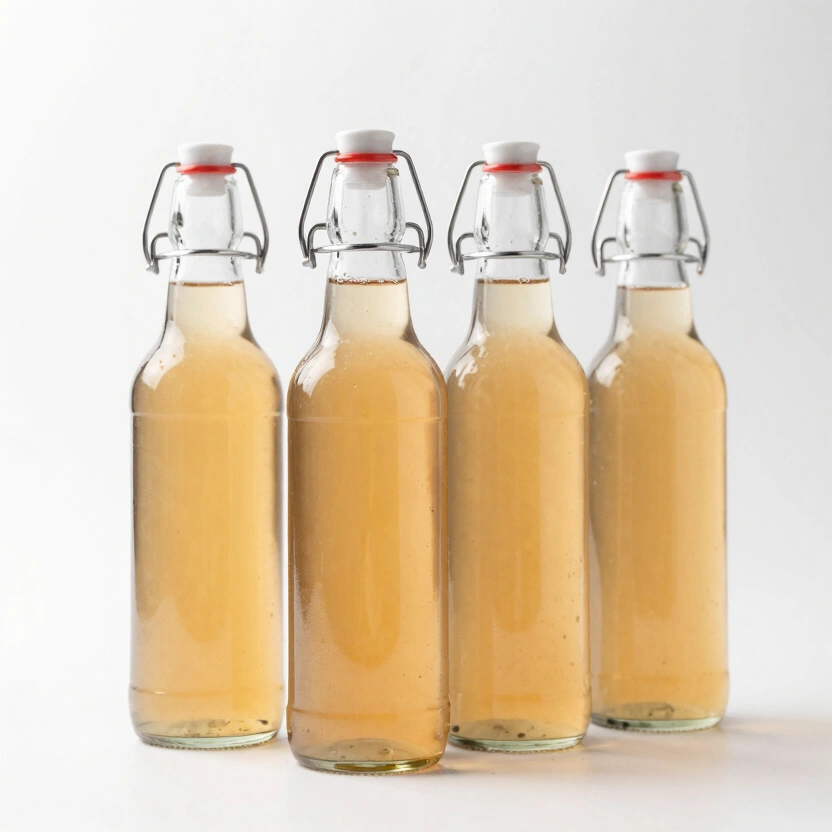
myFERMENTS Kombucha Starter Set
Large 4.25L jar set with swing-top bottles — ideal for first kombucha or kefir batches.
Check Price on Amazon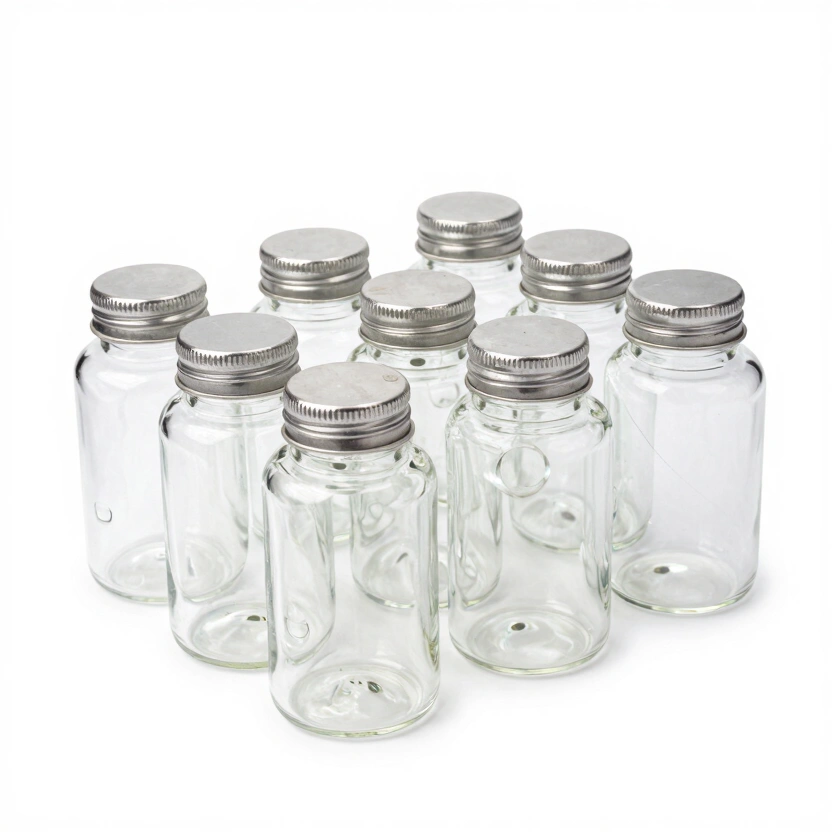
Artcome 10-Pack Glass Weights
Bulk set of heavy glass weights with easy-grip handles for large mason jar setups.
Check Price on Amazon* Affiliate links. Prices last updated March 3, 2026.
Signs of Maturation: When is it Done?
Counter to what most beginner guides say, black spots are not a failure. They signal maturity — the fungus is sporulating because you’ve given it exactly what it needs.
- 24 Hours: You should see a fine white fuzz covering the beans.
- 36-48 Hours: The beans should be encased in a dense, white, felt-like cake.
- Black Spots: Don’t panic. These are simply the spores of the fungus. It means the tempeh is mature.
The Smell Test
Healthy tempeh smells nutty, mushroomy, and yeasty. If it smells like strong ammonia or rotten garbage, discard it immediately.
Post-Fermentation: Harvesting and Storage
- Stop the Heat: Remove the tempeh from the incubator.
- Cooling: Let it cool at room temperature for 1-2 hours.
- Refrigeration: Store in an airtight container for up to 1 week.
- Freezing: Tempeh freezes exceptionally well for up to 6 months.
Nail the 48-hour incubation window and you have a mycelium cake with more protein per gram than most cuts of chicken, at a fraction of the cost. The technique takes two or three attempts to get right. Get through those attempts. The biology is on your side once the temperature management clicks.
Ready to build your incubation setup? The best fermentation starter kits covers the heat mats, temperature controllers, and perforated trays that make the 85°F–90°F Rhizopus window repeatable.
Ready to go deeper into fungal fermentation? The Home Miso Making Guide For a quicker exotic ferment, the fermented mushrooms guide shows how lacto-fermented shiitakes produce concentrated umami in seven days. covers another controlled mold ferment using Aspergillus oryzae — a natural next step once you’ve mastered Rhizopus.
Frequently Asked Questions
Can I make tempeh without a starter culture?
No. Rhizopus oligosporus does not occur naturally on dry beans in sufficient concentrations to produce a clean result. You need a proper freeze-dried tempeh starter. Purchase from a reputable supplier and store it in the freezer between uses — room temperature storage degrades the spore viability within weeks.
Why did my tempeh turn slimy instead of fuzzy?
Slime means bacteria won the competition against the fungus. Two causes, nearly every time: too much moisture on the beans before inoculation, or incubation temperature below 80°F. Dry your beans completely after boiling — use a fan, not passive air-drying — and verify incubator temperature with a probe thermometer before the spores go in. Once bacteria have colonized, the batch cannot be recovered.
Can I make tempeh from chickpeas or other legumes?
Yes. Chickpeas produce a nutty, golden-hued cake with slightly less binding than soy but an excellent flavor. Lentils work, though the texture is softer and requires shorter incubation. The de-hulling, acidification, and drying steps remain identical regardless of the legume. Some makers blend 70% soy with 30% black bean for a dramatic visual contrast in the finished cake.
What are the black spots on my tempeh — is it ruined?
Black spots are the fungal spores of Rhizopus oligosporus, and they signal full maturity. Pull the tempeh at 36 hours for a milder flavor with few spots; wait until 48 hours for the classic deeply nutty profile with visible sporulation. Either is safe. Black spots on the outside, white everywhere else: correct. Black throughout with a soft, wet center: discard.
Is tempeh safer to eat than raw tofu from a gut health standpoint?
From a digestibility standpoint, yes. The mycelium secretes protease and phytase enzymes during fermentation, pre-digesting both proteins and anti-nutrients (phytic acid, trypsin inhibitors) that make raw legumes hard on the gut. That said, always cook tempeh before eating — sear it in a hot pan, steam it, or crumble it into a stew. The fermentation makes it easier to digest; the heat makes it safe to eat.
Related Articles
Koji-Kin: The 'National Fungus' and its Enzymatic Power
Master the foundation of Japanese fermentation. We explore the science of Aspergillus oryzae and how to grow koji at home.

Continuous Brew Kombucha: The Expert Guide to Scaling Your Probiotics
Stop cleaning jars every week! We explore the efficiency, safety, and science of the continuous brew kombucha system.
Fermenting Fruit: The Science of Fruit Shrubs and Drinking Vinegar
Master the art of the shrub! We explore the science of fruit fermentation, acid stabilization, and how to create complex drinking vinegars.