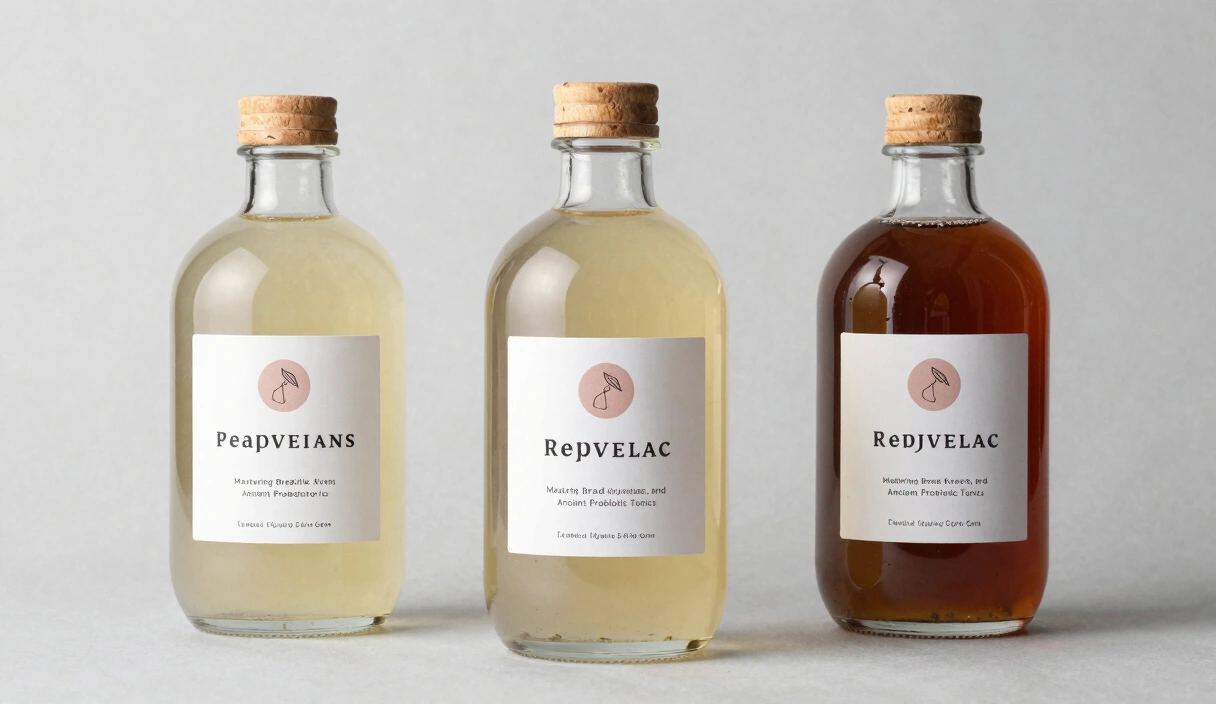
Traditional Grain Ferments: Mastering Bread Kvass, Rejuvelac, and Ancient Probiotic Tonics
From Slavic Bread Kvass to enzyme-rich Rejuvelac, learn how to transform starches into bioavailable probiotic energy through traditional grain fermentation.
Contents
Around 3400 BC, Sumerian temple scribes inscribed the Hymn to Ninkasi on clay tablets in the city of Nippur — a prayer to the goddess of brewing that is simultaneously the world’s oldest complete grain fermentation recipe. Soak the barley. Sprout it in sunlight. Cook the mash. Ferment in large clay vessels. Archaeological analysis of residue from those same vessels confirms the recipe worked: Saccharomyces cerevisiae and Lactobacillus strains both identified in the dried sediment. The Sumerians were running a multi-species controlled fermentation 5,400 years ago — managing grain ratios, saccharification, and temperature through accumulated empirical knowledge they had no scientific vocabulary to describe. Traditional grain fermentation is not folk practice. It is applied microbiology with a 54-century head start.
Most recipe guides treat bread kvass or Rejuvelac as simple infusions — soak something, wait, drink it. That framing misses the actual biology. You are activating amylolytic enzyme cascades, phytic acid degradation, and competitive microbial succession across a substrate that raw grain deliberately locks down. The Sumerians managed this in clay vessels. You have filtered water, a digital thermometer, and a controlled kitchen temperature. The precision required is higher than the recipes admit.
The Bioavailability Paradox: Breaking the Mineral Lock
Grains are the storage units of the plant kingdom. They are designed to survive the winter and only release their nutrients when conditions are perfect for growth. To protect these nutrients, grains contain Phytic Acid—an “anti-nutrient” that binds to essential minerals like magnesium, calcium, iron, and zinc, preventing your body from absorbing them.
This is the “Bioavailability Paradox.” You can eat a bowl of whole wheat berries, but if the phytic acid isn’t neutralized, you are eating fiber with bound minerals — and little else.
Fermentation solves that problem. Through the process of sprouting and subsequent acidification (Lacto-fermentation), the enzyme Phytase is activated. This enzyme breaks down phytic acid, releasing the minerals. The bacteria and yeast during grain fermentation synthesize high levels of B-vitamins, particularly B12, which is otherwise difficult to find in plant-based diets.
Amylolysis: The Molecular Science of Starch-to-Sugar
Grains are primarily starch—long chains of glucose molecules. Most fermentation microbes (like Lactobacillus) cannot eat complex starch; they need simple sugars. Grain fermentation therefore requires a two-step process called Amylolysis.
- Saccharification: The conversion of starch into sugar (maltose and glucose). In traditional beer making, this is done by “malting” (sprouting) the grain to release alpha-amylase. In Japanese fermentation, it’s done by the mold Aspergillus oryzae (Koji).
- Fermentation: The microbes then eat the newly created sugars to produce acids, gases, and alcohols.
Rejuvelac: The Raw Food Enzyme Engine
Most guides position Rejuvelac as a “gentle health drink” — the framing that makes it sound like flavored water. It is not. It is a concentrated enzyme extract with measurable amylase and protease activity that produces a distinct physiological effect on pre-meal digestion. The tart, earthy flavor is the enzymatic activity made sensory.
Popularized by health pioneer Ann Wigmore in the 1960s, Rejuvelac is perhaps the purest form of grain fermentation. It isn’t a “drink” in the social sense; it is a digestive tonic.
Rejuvelac is made by soaking sprouted grains (wheat, rye, quinoa, or kamut) in water for 24 to 48 hours. During this time, the enzymes produced by the germinating seeds leach into the water, and wild lactic acid bacteria begin to ferment the small amount of sugar released.
Most people overcomplicate this. Rinse the sprouts well, use filtered water — chlorine kills the wild LAB, and keep it at 68-72°F. That’s the whole protocol.
- The Flavor Profile: It has a distinct, earthy, lemon-like tartness.
- The Benefit: It is exceptionally high in amylase and protease enzymes, making it a perfect pre-meal tonic to aid in the digestion of cooked foods.
Quick Rejuvelac Recipe:
- Sprout 1 cup of soft wheat berries until a tiny “tail” appears.
- Place the sprouts in a half-gallon jar and fill with filtered water.
- Cover with a cloth and let sit for 2 days.
- Strain the liquid (the Rejuvelac) and store in the fridge. You can use the same sprouts for a second, faster batch!
Slavic Bread Kvass: The Art of the Liquid Bread
Counter to what most fermentation blogs suggest, kvass is not simply “liquid bread” in the metaphorical sense. The Maillard compounds produced by near-scorched rye toast act as selective substrates — feeding specific Saccharomyces and Lactobacillus strains while suppressing less desirable organisms. The toast step is microbial selection, not just flavor development.
Unlike Rejuvelac, which uses raw sprouts, Traditional Kvass uses toasted bread. Toasting the bread creates Maillard Reaction products—complex caramel-like sugars that give Kvass its deep amber color and “bready” depth.
The fermentation of Kvass is a delicate dance between Saccharomyces cerevisiae (yeast) and Lactobacillus (bacteria). The yeast provides the carbonation and a tiny bit of alcohol (usually under 1%), while the bacteria provide the tartness that keeps the drink refreshing and prevents spoilage.
Pro-Tip: For the best flavor, use Dark Rye Bread (Pumpernickel style). Toast it until it is nearly burnt. This carbonization acts as a natural filter and provides a smoky base for the microbes.
Balkan Boza: The Probiotic Porridge
If Kvass is the “liquid bread,” Boza is the “liquid porridge.” Common in Turkey, Bulgaria, and Albania, Boza is made by fermenting a cooked mash of millet, maize, or wheat flours.
Because the grains are cooked first, the starch is gelatinized — fully open to microbial access. Boza is fermented for about 24 hours at room temperature, resulting in a thick, creamy, pale-yellow beverage with a sweet-sour flavor profile.
- Microbiology: Boza runs on Leuconostoc mesenteroides — the same organism that starts sauerkraut fermentation — plus Lactobacillus acidophilus for the acidic backbone.
- Culture: Istanbul street vendors serve it cold with a sprinkle of cinnamon and roasted chickpeas. It’s a food, a beverage, and a street ritual simultaneously.
Grain Fermentation Tools
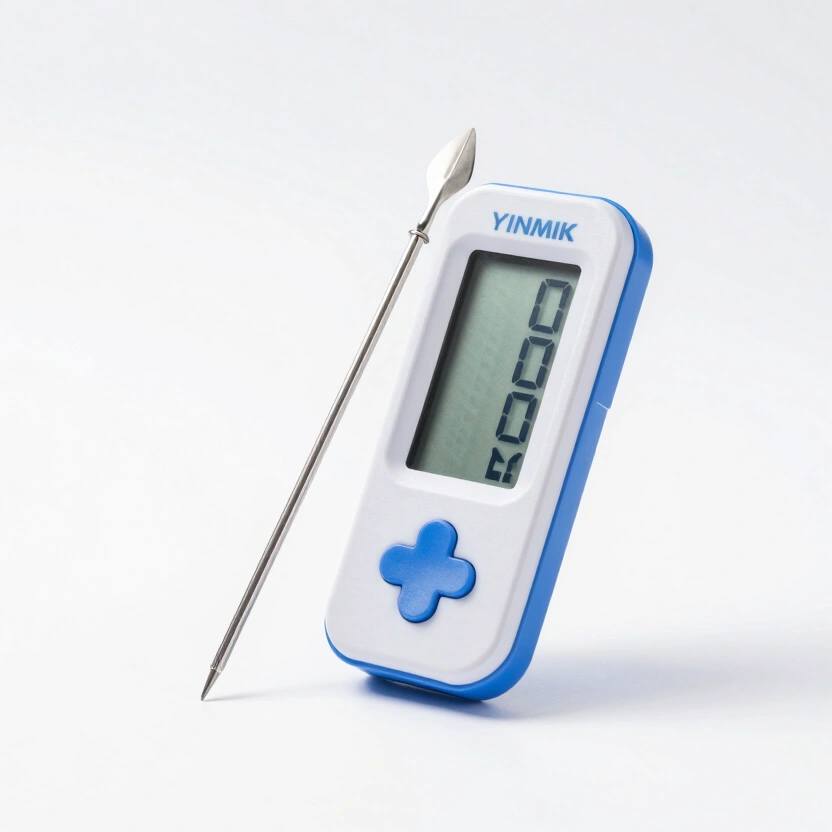
YINMIK Digital Spear pH Meter
Specialized pH meter with a spear probe for measuring solids like cheese or thick mashes.
Check Price on Amazon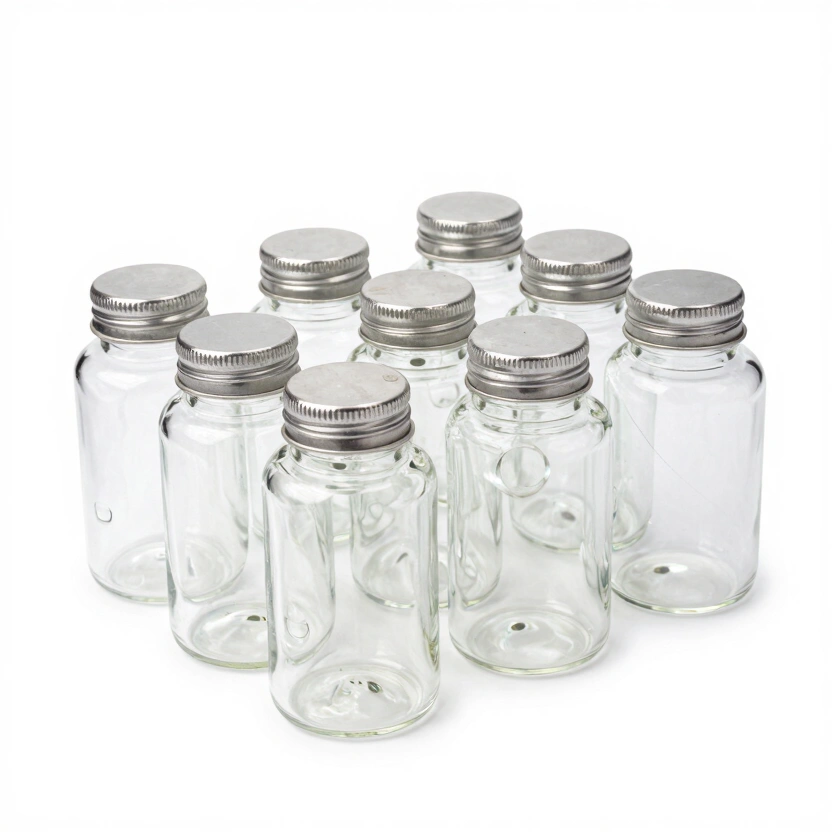
Artcome 10-Pack Glass Weights
Bulk set of heavy glass weights with easy-grip handles for large mason jar setups.
Check Price on Amazon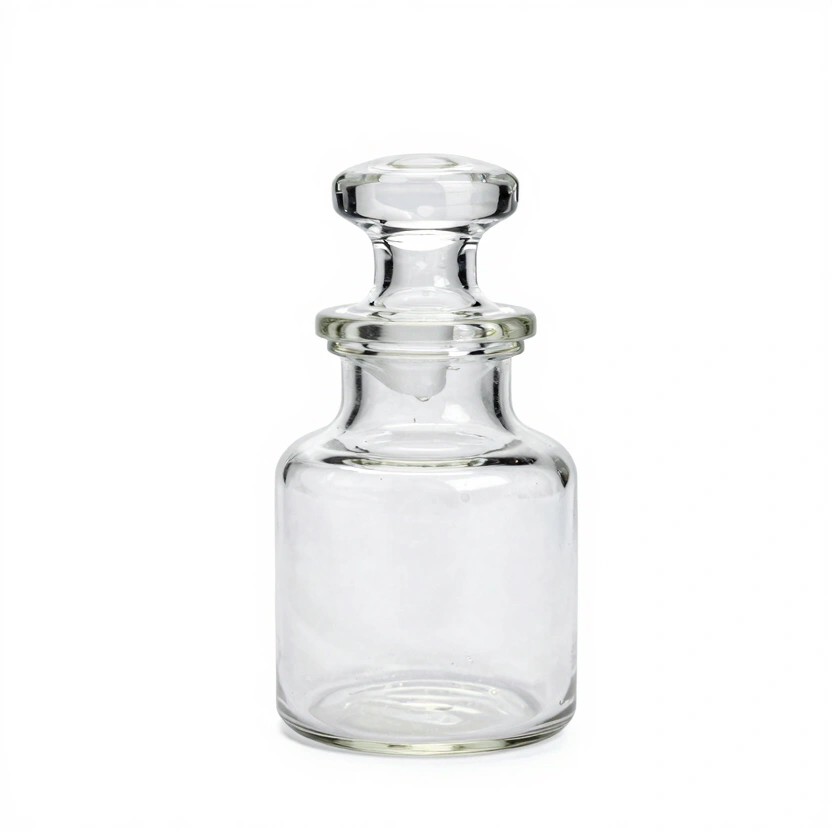
Westmark Glass Fermentation Weights
Heavy-duty glass weights from Westmark to ensure vegetables stay under the brine.
Check Price on Amazon* Affiliate links. Prices last updated March 3, 2026.
Japanese Amazake: Sweetness Without Sugar
Amazake is the “energy drink” of ancient Japan. No caffeine. No added sugar. Just amylase. It is made by mixing cooked rice with Koji (Aspergillus oryzae), whose amylase enzymes break rice starch into simple glucose — producing sweetness entirely from within the grain.
Unlike the other ferments on this list, Amazake is typically NOT acidic. It is intensely sweet. If you let it ferment further with wild yeasts, it becomes rice wine (Sake). But if you keep it at a controlled temperature (around 130°F / 55°C) for 8 hours, the enzymes work at peak efficiency to create a sweet, creamy, non-alcoholic pudding.
The “Back-Slop” Technique: Scaling and Stability
Counter to the assumption that commercial starter cultures produce superior results, back-slopped cultures from your own kitchen often outperform isolated strains within 4-6 generations. The microbial community adapts to your local grain, your water mineral profile, and your temperature range — producing a culture that is specifically optimized for your conditions, not for a laboratory average.
In traditional grain fermentation, laboratory-isolated starters are rarely necessary. Instead, use the Back-Slop method. No starter culture required.
When you finish a batch of Kvass or Rejuvelac, save 10% of the liquid and add it to the next batch. This ensures that the successful, adapted colony of microbes is passed on. This is identical to the “Sourdough Starter” method. Over months, your “back-slop” culture will become unique to your kitchen—perfectly adapted to your local grains and temperature.
Gluten Pre-Digestion: Is Fermented Grain Celiac-Safe?
A common question is whether the fermentation of wheat (like in Kvass or Rejuvelac) makes it safe for those with gluten sensitivities.
- The Reality: Fermentation does break down gluten proteins. Long-fermented sourdough carries measurably lower levels of reactive gluten than commercial bread — a real reduction, not a marketing claim.
- The Warning: For those with Celiac Disease, even fermented grain remains dangerous. The fermentation process does not guarantee 100% elimination of the gluten peptide. If you are gluten-sensitive (but not celiac), Rejuvelac made from Quinoa or Millet is a fantastic, safe alternative.
The Verdict: Reclaiming the Ancient Power of the Seed
The Sumerians encoded their grain fermentation process in clay because the knowledge was too valuable to lose. The back-slop culture you build over three months of Kvass batches is the same principle at kitchen scale — a living microbial community adapted to your grain, your water, your temperature. No commercial product replicates that specificity. The phytic acid is broken. The minerals are available. The B-vitamins are synthesized. Same seed. Entirely different food.
The grain fermentation toolkit extends naturally into koji — Aspergillus oryzae doing enzymatic work that Lactobacillus alone cannot achieve. The Home Miso Making Guide applies both traditions together across a 3-month fermentation that the Ninkasi scribes would recognize as kin to their own.
FAQ: Grain Fermentation Troubleshooting
My Kvass has no carbonation after 48 hours at room temperature. What failed?
The yeast population is insufficient, the temperature is too low, or both. Below 18°C (65°F), Saccharomyces cerevisiae activity slows dramatically and may produce no visible CO2 in a 48-hour window. Move the jar to a warmer spot — 20-24°C (68-75°F) is the optimal range for active carbonation. If you relied on wild yeast from the bread crust alone and the bread was commercial and preservative-treated, the surface yeast population may be too low to drive carbonation. Add 8-10 organic raisins (unwashed — the surface bloom matters) and wait another 24 hours.
Counter to what I expected — why does second-batch Rejuvelac taste more sour than the first?
The back-slop effect. When you reuse the same sprouted grains for a second batch (or carry over 10% of the first batch liquid), the already-established LAB colony dominates the fermentation faster and produces more lactic acid before competing organisms can establish. Second batches typically ferment in 24-36 hours versus 48 for the first batch, and at a lower final pH. That accelerated acidification is the system working correctly — not a sign of contamination.
How do I know when Rejuvelac has gone wrong versus just being strongly fermented?
Smell. Correctly fermented Rejuvelac smells tart, lightly grassy, and faintly lemon-like — the sensory signature of lactic acid production. Wrong Rejuvelac smells putrid, sulfurous, or like rotting vegetation. The line is not subtle. Putrefactive bacteria produce entirely different volatile compounds than Lactobacillus strains. If you are questioning whether the smell is “strong ferment” or “bad batch” — it’s the second one. Strong ferment is distinctive and appetizing in its own acidic way. Putrid is unmistakable.
Most guides say Boza should be consumed immediately. Is that true?
Mostly. Boza continues fermenting after the 24-hour ferment period because the gelatinized grain substrate retains active microbial populations. At room temperature, it will sour aggressively and eventually become unpleasantly acidic within 48-72 hours. Refrigeration slows but doesn’t stop this progression. Consume within 24 hours of reaching your target sourness level. Traditional Istanbul street vendors sold Boza made that morning for that evening — the shelf life constraint is real, not folklore.
Does traditional grain fermentation actually produce measurable B12, or is that overstated?
B12 production varies sharply by ferment type. Kvass and Rejuvelac — primarily Lactobacillus and Saccharomyces ferments — produce negligible B12. Natto (not covered here, but in the Natto Health Benefits guide) produces modest but measurable B12 via Bacillus subtilis. The broader claim that “fermented grains are a B12 source” for vegan diets is overstated for LAB-based grain ferments specifically. The probiotic and phytic acid reduction benefits are real. The B12 claim requires a bacterial species that synthesizes cobalamin — which Lactobacillus strains generally do not.