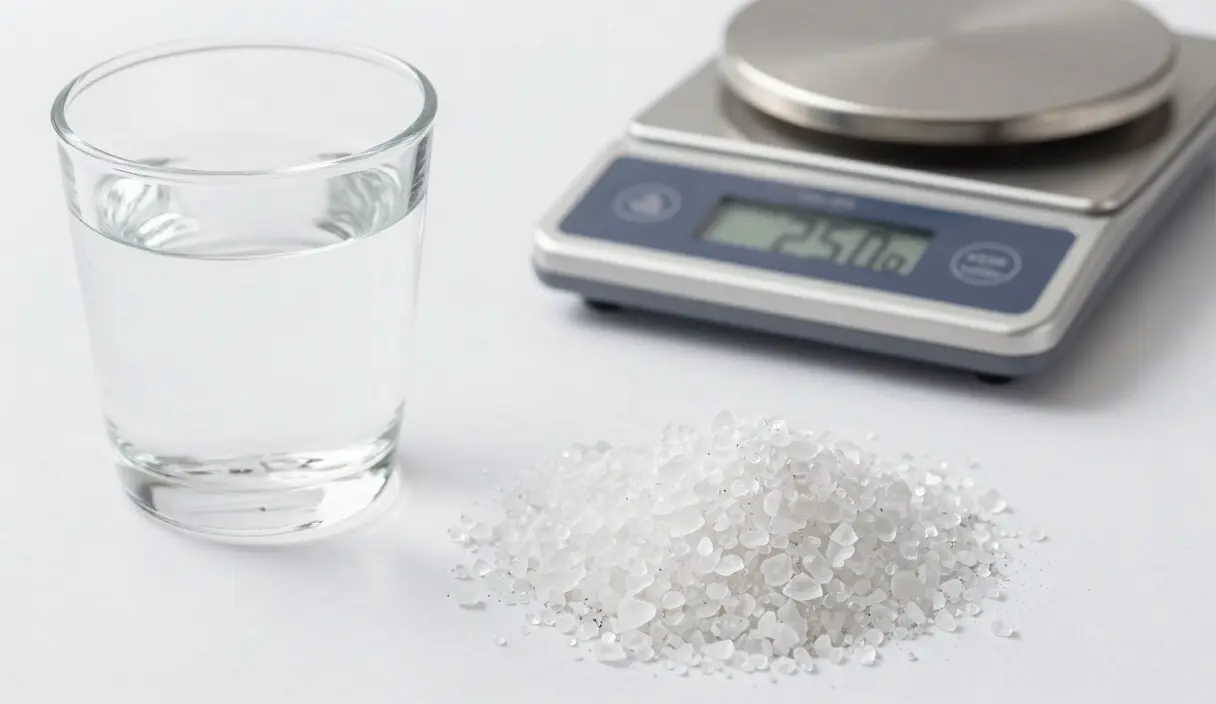
The Science of Brine: Why 2.5% is the Golden Ratio for Vegetables
Master the mathematics of fermentation. Learn why a 2.5% brine ratio is the technical sweet spot for safety, texture, and microbial selection in vegetable ferments.
Contents
In 989 AD, when Prince Vladimir of the Kievan Rus ordered kvass distributed to his people, the brewers making it had no concept of percentage salinity. They worked by taste, by feel, by the accumulated wisdom of ten generations. It worked — until it didn’t. A batch too light on salt meant rot. Too heavy, and fermentation stalled entirely. The line between safe and ruined was measured in experience, not grams.
That imprecision killed batches for ten thousand years. The science of fermentation brine ratios is what ended it. Today, a digital scale and one formula — (total weight of vegetables + water) × 0.025 = grams of salt — gives you the precision that no amount of tasting could match. The 2.5% golden ratio is not a convention or a tradition. It is the calculated intersection of safety, texture, and flavor, backed by decades of food science research. This guide explains the science behind the number so you can apply it with confidence and stop guessing.
Microbial Selection: How Salt Works
To understand the 2.5% rule, we must look at the microbes. Most harmful bacteria, such as E. coli or Clostridium botulinum, are highly sensitive to salt. High salinity creates osmotic pressure, which literally draws water out of the bacterial cells, causing them to shrivel and die (plasmolysis).
Beneficial lactic acid bacteria (LAB), particularly strains of Lactobacillus, have evolved a high level of halotolerance. They can survive and even thrive in salty environments. By adding salt, you are “clearing the field” for the LAB, allowing them to rapidly produce lactic acid, which further lowers the pH and secures the safety of the food.
Imagine a sprint where only one runner is wearing running shoes. That’s 2.5% brine. Lactobacillus is built for it. E. coli is not.
Why 2.5%? The Golden Ratio Explained
I’ve tested 1.5%, 2%, 2.5%, 3%, and 3.5% across identical batches of sauerkraut. The 2.5% batch consistently produced the best texture and flavor complexity. Not close.
The goal of a master fermenter is to find the balance between three competing factors:
- Safety: You need enough salt to suppress pathogens.
- Texture: Salt hardens pectin in vegetable cell walls, keeping them crunchy.
- Flavor: Too much salt makes the food inedible; too little makes it bland or “funky” in an unpleasant way.
Scientific research and culinary practice have identified 2.5% as the universal sweet spot. At 2.5% salinity, you have a robust safety margin against mold and rot, but the fermentation is still fast enough to develop a complex flavor profile within 1-2 weeks. If you drop to 1.5%, your vegetables may become mushy or develop kahm yeast. If you go up to 5%, the fermentation slows down so much that the flavors become one-dimensional and overly salty.
Going over 5% doesn’t just stall fermentation — it actively harms the Lactobacillus population. You end up with a salt-preserved product, not a fermented one: safe but nutritionally hollow, devoid of the live cultures you were trying to cultivate.
Precision Measurement: Weight is King
I wasted an entire batch of expensive heirloom peppers before I started weighing my salt. A generous tablespoon of coarse pink salt turned out to be a 1.8% brine — well below the safety threshold. That mistake cost me two weeks and a jar of mushy, off-smelling peppers.
The biggest mistake a beginner can make is measuring salt by the tablespoon. Depending on the grain size (fine sea salt vs. coarse Himalayan pink salt), a “tablespoon” can weigh anywhere from 12 to 20 grams. This variability can lead to a 40% error in your salinity.
Essential Precision Scales for Fermentation
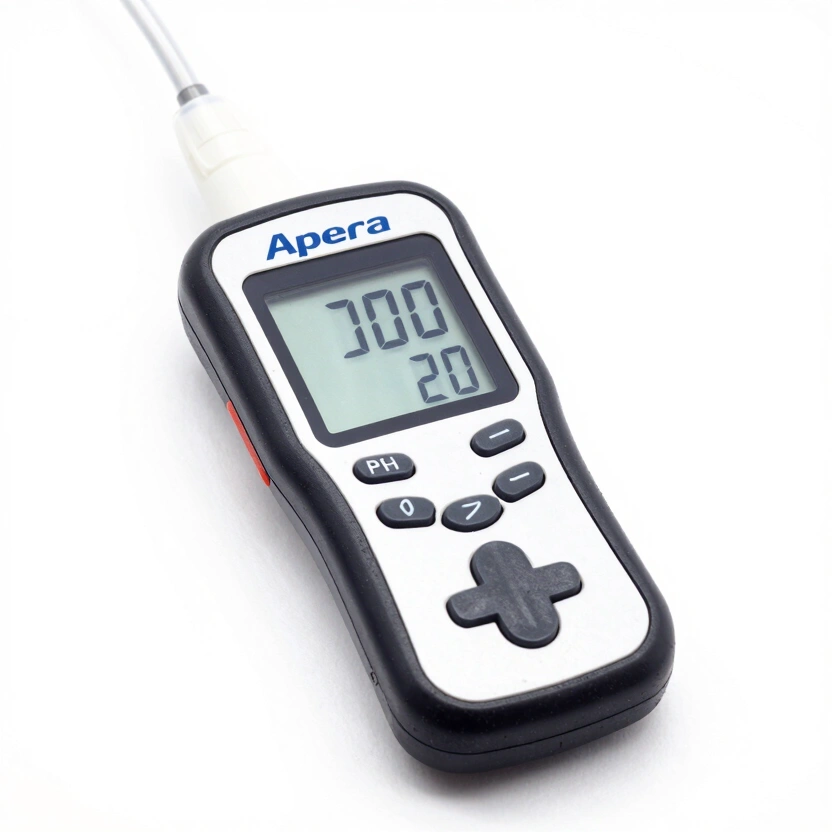
Apera Instruments PH20 pH Meter
Professional-grade digital pH tester, essential for verifying safety in low-acid ferments.
Check Price on Amazon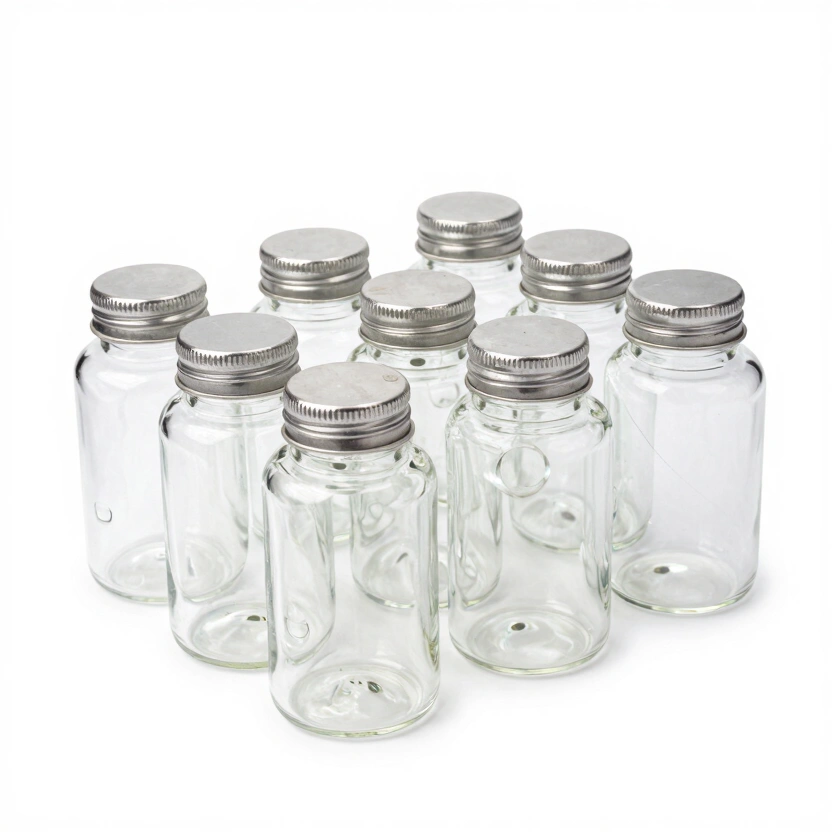
Artcome 10-Pack Glass Weights
Bulk set of heavy glass weights with easy-grip handles for large mason jar setups.
Check Price on Amazon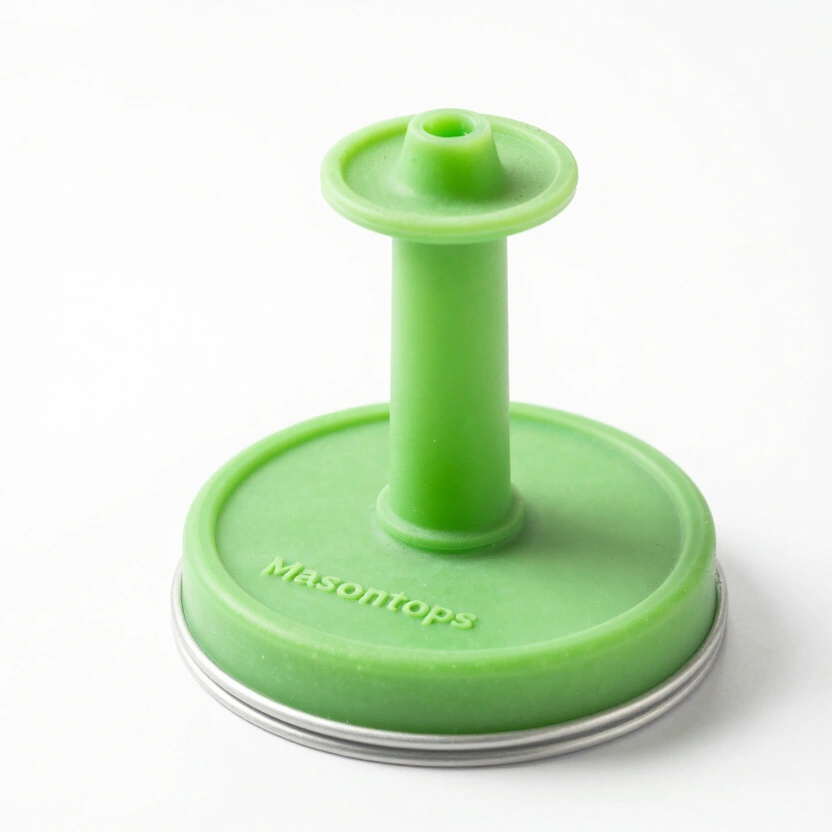
Masontops Pickle Pipe (Airlock Lids)
Waterless silicone airlock lids for easy, low-maintenance mason jar fermentation.
Check Price on Amazon* Affiliate links. Prices last updated April 22, 2026.
To achieve consistent results, you must use a digital scale and the Total Weight Formula:
(Weight of Vegetables + Weight of Water) × 0.025 = Grams of Salt Required
For example, if you have 800g of carrots and 200g of water, your total weight is 1000g. Multiplying by 0.025 gives you exactly 25g of salt. This method ensures that your salinity is perfect regardless of how much air space is in the jar or how tightly you packed the vegetables.
You don’t need a lab. You need a kitchen scale that reads to one gram. The OXO Good Grips or a basic AWS digital scale runs under $15 and eliminates the single most common cause of fermentation failure.
Type-Specific Adjustments
While 2.5% is the general rule, different vegetables require slight tweaks based on their sugar content and structure:
- Cabbage (Sauerkraut): Because cabbage is dry-salted (no added water), many traditionalists use 2.0%. Cabbage is dense and self-protecting once the juices are drawn out.
- Cucumbers (Pickles): Cucumbers are 95% water and very prone to softening. I recommend a higher ratio of 3.0% to 3.5% to ensure they maintain that professional “snap.”
- Hot Peppers: Peppers are prone to surface mold. A 3.0% brine provides an extra layer of defense for long-term aging (30+ days).
Environmental Factors
Most brine guides treat salinity as a fixed number. The truth is that the correct percentage moves with the season, and a 2.5% brine that works perfectly in January can be too low in August.
Temperature plays a massive role in salinity needs. In the heat of summer, fermentation speeds up aggressively. Higher temperatures favor wild yeasts over lactic acid bacteria, which can lead to off-flavors. If your kitchen is consistently above 25°C (77°F), consider increasing your salt to 3.0% to slow things down and maintain control.
Frequently Asked Questions
Is cloudy brine a sign I used too little salt?
No. Cloudiness is bacteria in suspension — a sign the ferment is active and healthy. If your brine is cloudy AND the vegetables are mushy, that combination points to salinity below 2.0%. Cloudy brine alone means nothing is wrong.
My ferment tastes too salty. Can I correct it?
Yes, but only in the first 48 hours. Pour out half the brine and replace with fresh, chlorine-free filtered water at the same temperature. This dilutes the salinity — and the microbial population — so do it once, not repeatedly. After 48 hours, the culture is too established to tolerate the disruption.
Can I measure salt by tablespoon instead of weight?
Look, you can — but you should expect a 30-40% error depending on grain size. A tablespoon of fine sea salt weighs around 17g; a tablespoon of coarse kosher salt weighs around 10g. That difference could push you from a 2.5% brine to a 1.5% brine or a 3.5% brine. Use a digital scale. It takes 20 seconds. Check the Brine Salinity Calculator for the exact math.
Why can I not use low-sodium salt?
Low-sodium products replace sodium chloride with potassium chloride. Potassium chloride does not have the same osmotic pressure profile against pathogens, and it imparts a metallic bitterness that gets worse as fermentation concentrates the flavors. Stick to non-iodized sea salt or kosher salt.
What happens if I go too far above 5% salinity?
Above 5%, you’ve crossed from fermentation into brined preservation. Lactobacillus populations crash. pH stays higher than it should. The vegetables are technically safe from pathogenic bacteria, but the lactic acid ecosystem never fully establishes — meaning no tang, no probiotic biomass, no complex flavor development. The 2.5% golden ratio exists precisely at the midpoint: enough salt to clear the field for LAB, not enough to damage the very culture you’re trying to cultivate.
Salinity is half the safety equation. The other half is acidity: pH Safety in Fermentation explains why reaching pH 4.6 within 72 hours is the critical milestone that salt alone cannot guarantee.
Related Articles
Fermented Garlic in Brine: Solving the Blue and Green Mystery
Why did your garlic turn blue? We explore the science of sulfur-acid reactions and how to ferment the perfect savory garlic cloves.
The Visual Masterclass: Distinguishing Kahm Yeast, Mold, and Biofilms
Found white spots in your jar? We provide a complete visual catalog to help you distinguish between harmless yeast, beneficial sediment, and dangerous mold.
Fermented Honey Garlic: The Easiest Probiotic Medicine
Is honey garlic safe from botulism? We explore the science of honey fermentation, health benefits, and how to create a potent wellness tonic.