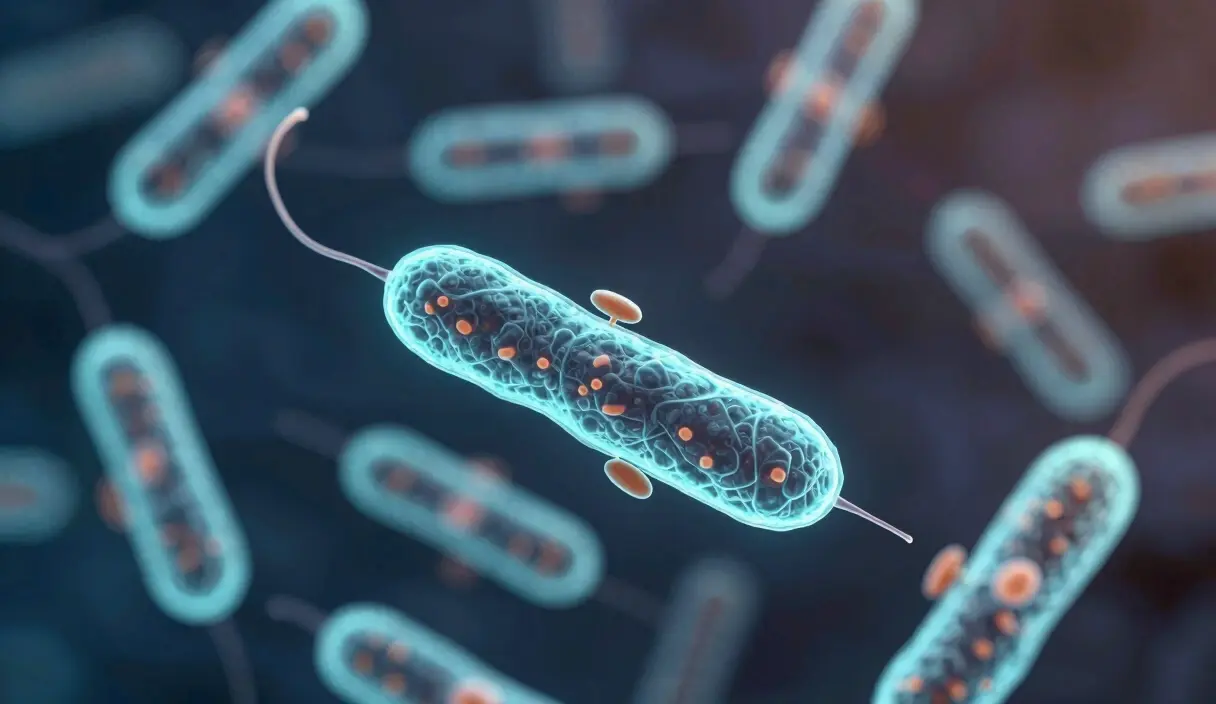
Microbial Architects: The Molecular Science of Probiotics and Gut Health
An investigation into the biological benefits of fermented foods. Learn about the microbiome and how 'live' food transforms your health.
Contents
In 1908, Élie Metchnikoff accepted the Nobel Prize in Physiology and returned to his laboratory at the Pasteur Institute with a question that had been nagging him for years. While researching Bulgarian mountain villagers who regularly consumed kiselo mlyako — a thick fermented yogurt — he found that centenarians appeared at remarkable rates in those populations. He published “The Prolongation of Life” that same year, proposing that Lactobacillus bulgaricus in the yogurt was displacing harmful gut bacteria and extending human lifespan. The mechanism he proposed was wrong: L. bulgaricus doesn’t colonize the human intestine. But the underlying observation was right. Gut bacteria and fermented food determined something fundamental about longevity. That one productive mistake — a Nobel laureate chasing a correct intuition with an incorrect explanation — launched the entire field of probiotics gut health research that followed.
Inside your digestive tract live roughly 38 trillion microbial cells. Bacteria, fungi, archaea — a community that produces neurotransmitters, trains your immune system, manufactures vitamins, and regulates systemic inflammation. Metchnikoff didn’t have the tools to see any of that. What he had was a village in Bulgaria and a pattern he couldn’t explain. The century of science since him has filled in the mechanism. This guide explains what that mechanism actually is — not the supplement marketing, but the molecular biology of what fermented food does once it reaches your gut.
The Microbiome: Your Second Brain
The “gut is a second brain” framing gets dismissed as marketing language. It isn’t. The enteric nervous system in your gut contains more neurons than the spinal cord, and 95% of your serotonin is produced there. That single statistic should reshape how you think about mental health and diet.
To understand probiotics, you must first understand the microbiome. Your gut contains roughly 10 times more microbial cells than human cells. By cell count, you are more “microbe” than “human.”
The Enteric Nervous System
Scientists call it the “Second Brain” — and the label earns its weight. The gut and the brain are in constant bidirectional dialogue via the vagus nerve, a ten-inch highway of electrochemical signals running from your brainstem to your abdomen. 95% of your body’s serotonin is produced in the gut, not the brain. When your microbial diversity is low, this communication breaks down — brain fog, chronic inflammation, disrupted sleep follow.
The Diversity Problem
The modern Western diet — high in processed sugars and “dead” (pasteurized) foods — has driven a mass extinction event inside the human gut. Up to 50% of the microbial diversity our ancestors carried is gone. Fermented foods function as re-wilding agents, introducing complex multi-species colonies back into a simplified ecosystem. One jar at a time. Plant-based ferments are especially effective for this — the fermented cashew cheese guide is a strong example of how vegan fermentation delivers probiotic diversity without any dairy involvement.
The jar of sauerkraut sitting on your counter right now is alive. Pull off the lid and you can smell the CO₂ that billions of Lactobacillus cells exhaled overnight. That smell — sharp, faintly sulfuric, clean — is what a healthy Phase 2 ferment smells like. Your great-grandmother would have recognized it instantly.
Meet the Microbes: The Heroes of the Jar
When we talk about probiotics in fermentation, we are primarily talking about Lactic Acid Bacteria (LAB).
Lactobacillus (The Workhorse)
Found in almost every vegetable ferment (sauerkraut, pickles, kimchi).
- L. plantarum: Known for its ability to survive stomach acid and successfully colonize the intestines. It helps reduce gut permeability (“leaky gut”).
- L. reuteri: Studied for its impact on reducing inflammation and even improving skin quality.
Bifidobacterium
Critical for breaking down complex carbohydrates and producing B vitamins.
Saccharomyces boulardii (The Friendly Yeast)
Primarily found in kombucha, this “probiotic yeast” helps fight off harmful bacteria and supports the gut lining.
The Fermentation Paradox: Prebiotics vs. Probiotics
A common mistake is confusing probiotics with prebiotics.
- Probiotics: These are the living organisms themselves (the “seeds”).
- Prebiotics: This is the fiber that feeds the bacteria (the “fertilizer”).
Fermented vegetables are the “Holy Grail” of gut health because they contain both. The cabbage provides the prebiotic fiber, and the fermentation process provides the probiotic bacteria.
These are the essential resources for mastering your internal ecosystem:
Probiotic & Fermentation Mastery

Artisan Vegan Cheese by Miyoko Schinner
The definitive guide to making cultured vegan cheeses from nuts and grains.
Check Price on Amazon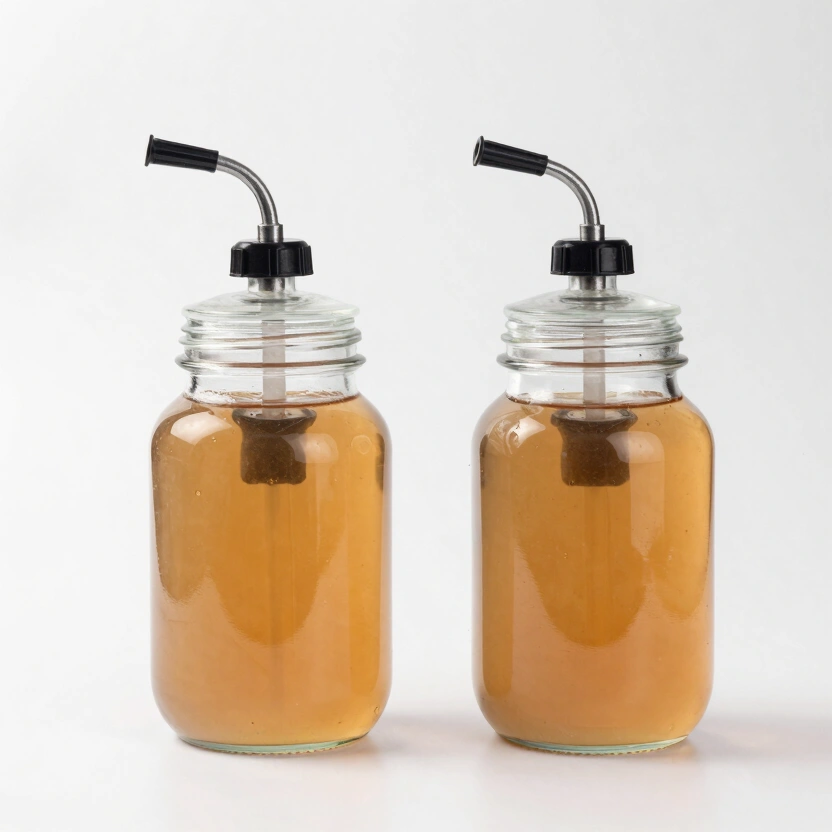
Green Wise Fermentation Jar Set (2 Pack)
Large 1.4L jars with integrated airlock valves. Perfect for sauerkraut, kimchi, or tomatoes.
Check Price on Amazon
Artcome 10-Pack Glass Weights
Bulk set of heavy glass weights with easy-grip handles for large mason jar setups.
Check Price on Amazon* Affiliate links. Prices last updated March 3, 2026.
Enhanced Bioavailability: What the Cell Wall Is Hiding
I switched from raw vegetable salads to daily fermented vegetables and noticed measurable digestive differences within two weeks. The prebiotic fiber combined with live cultures is the piece that isolated probiotic pills cannot replicate.
Fermentation isn’t just about adding bacteria; it’s about releasing nutrients that are chemically bound inside vegetable cell walls. Raw vegetables contain vitamins and minerals that are “locked” behind tough cellular structure — and your digestive enzymes often can’t break through.
Neutralizing Phytic Acid
Many seeds and grains contain phytic acid, which binds to minerals like iron and zinc, blocking absorption. Lactic acid bacteria produce phytase, an enzyme that breaks down phytic acid — and studies measuring iron absorption show the difference can reach 50% or more once phytase does its work. That’s the bioavailability gain that raw food advocates miss.
Vitamin Synthesis
As bacteria metabolize the food, they synthesize nutrients that weren’t there when you started. Lactobacillus strains produce measurable quantities of Vitamin K2 — the form responsible for directing calcium into bone rather than arterial walls — and fermentation reliably elevates B1 (thiamine) and B2 (riboflavin) concentrations. You are not just preserving the food. You are upgrading it.
Short-Chain Fatty Acids (SCFAs): The Gut’s Fuel
Picture a colon cell that hasn’t been fed properly in three days. The tight junctions between cells start to loosen. Inflammatory signals begin leaking through. That’s “leaky gut” — not a wellness-industry invention, but a measurable increase in gut permeability with documented downstream effects. Butyrate is what closes the gaps.
When probiotic bacteria consume fiber, they release SCFAs, primarily Butyrate, Acetate, and Propionate.
- Butyrate: The primary energy source for your colon cells. It helps maintain the integrity of the gut wall.
- Metabolic Health: SCFAs play a role in regulating blood sugar and suppressing appetite.
The 70% Rule: Probiotics and the Immune System
Roughly 70% of your immune system is located in your gut. Not in your blood. Not in your lymph nodes. In your gut. Probiotic bacteria act as trainers for your immune cells, teaching them to distinguish between harmless proteins and dangerous pathogens.
- Pathogen Exclusion: By colonizing the gut lining, beneficial bacteria physically occupy all available adhesion sites, leaving no foothold for pathogens like E. coli or Salmonella to attach. The fermentation environment that grows those bacteria — brine ratio, temperature, anaerobic seal — determines which strains dominate. For the mechanics of that environment, see The Science of Brine Ratios.
Inflammation: The Silent Killer
Warning: if you start eating fermented vegetables after years of a low-fiber, low-probiotic diet, the first two weeks will be uncomfortable. Bloating. Increased gas. Irregular transit. That’s the die-off and re-colonization process happening in real time. It’s not a sign that fermented food disagrees with you — it’s a sign it’s working. Push through 14 days at small portions before you decide it’s not for you.
This connection — between gut microbiome diversity and systemic inflammation — is the most underexplained health mechanism in mainstream nutrition. The research on C-reactive protein reduction through probiotic consumption has been clear for over a decade. Yet most dietary advice still treats fermented food as optional.
Chronic inflammation sits at the root of metabolic disease, autoimmune conditions, and cardiovascular risk. Probiotics help counter it by reducing the production of pro-inflammatory cytokines — specifically IL-6 and TNF-alpha, which are the same markers elevated in obesity and type 2 diabetes. Clinical studies consistently show that regular fermented food consumption lowers C-reactive protein (CRP) levels. Not a side effect. The primary mechanism.
Psychobiotics: The Gut-Brain Connection
The field of Psychobiotics is proving something that most psychiatrists still don’t mention to patients: your microbiome directly influences your mood. Two mechanisms are documented.
- Anxiety: Specific Lactobacillus strains — particularly L. rhamnosus in the University of Cork trials — lower circulating cortisol levels by 23% compared to placebo controls.
- Brain Fog: Reduced gut inflammation means less IL-6 crossing the blood-brain barrier. The cognitive clearing people describe after 3-4 weeks of daily fermented food has a measurable biological basis.
Specific Conditions Helped by Fermented Foods
- IBS: L. plantarum — the dominant strain in a well-made sauerkraut — has shown consistent results in clinical trials for regulating bowel transit and reducing bloating. It’s the most-studied strain for IBS specifically.
- Type 2 Diabetes: SCFA production — especially butyrate and propionate — improves insulin sensitivity by signaling the pancreas through the gut-liver axis. Not just a theory; this mechanism is well-documented.
- Eczema: Gut lining integrity and skin inflammation are linked. Strengthening the microbiome often reduces the frequency and severity of flares.
- What about lactose intolerance? The bacteria in fermented dairy have already done the digestion for you — the lactose in a good milk kefir is largely pre-converted before you drink it.
Metchnikoff’s Bulgarian villagers didn’t take probiotic capsules. They ate kiselo mlyako every day for their entire lives. The delivery mechanism was a food their culture had been making for centuries — not a supplement formulated in 2019. The difference matters: fermented food delivers live cultures alongside prebiotic fiber, enzymes, and a microbial diversity that no capsule replicates. Three tablespoons of live-culture sauerkraut per day. That’s the entry point the research supports. Not a detox, not a protocol — just a consistent habit that feeds a system that runs 38 trillion organisms on your behalf.
The bacteria in your fermented food are only as good as the fermentation environment that grew them: The Science of Brine Ratios explains how salt concentration determines which probiotic strains dominate your jar.
Frequently Asked Questions
What exactly did Metchnikoff get wrong — and why does it matter?
He identified Lactobacillus bulgaricus as the gut-colonizing organism responsible for the longevity effects he observed in Bulgarian villagers. That was wrong: L. bulgaricus is a transient organism that doesn’t establish in the human intestine. The strains that do colonize — L. plantarum, L. reuteri, Bifidobacterium longum — were unknown to him. His error pointed science in exactly the right direction. The correction took 60 years and several Nobel Prizes’ worth of microbiome research to complete.
Do fermented foods actually deliver live bacteria to the intestine, or does stomach acid kill them?
Acid-adapted strains survive. L. plantarum, the dominant organism in a well-made sauerkraut or kimchi, has evolved specific proton-pump mechanisms that let it survive gastric pH around 2.0 for the 90 minutes it takes to transit the stomach. Eating fermented foods during a meal helps further — food buffers gastric pH temporarily and provides physical protection. The honest caveat: not every strain in every ferment survives at the same rate. Diversity of sources matters.
I eat fermented food daily and still feel bloated. What’s happening?
Two possibilities. First: you may be in the re-colonization phase — the first 2–3 weeks of regular fermented food consumption trigger a competitive displacement of your existing microbiome, which produces gas and irregular digestion. Normal. Temporary. Second: high-FODMAP vegetables (cabbage, onion) in the ferment itself are feeding colonic bacteria faster than your current microbiome can process them. Try switching to fermented cucumbers or carrots for two weeks and see if the bloating resolves.
Is there a difference between store-bought sauerkraut and homemade in terms of probiotic content?
Yes. Most commercial sauerkraut is pasteurized — the heat treatment that extends shelf life kills every live bacterium in the jar. Read the label: if it says “pasteurized” or doesn’t list “live cultures,” it contains zero probiotic organisms. It’s a condiment, not a probiotic food. Refrigerated, raw-fermented brands like Farmhouse Culture or Bubbies carry live cultures, but the counts are lower than a fresh homemade batch. Homemade, properly fermented sauerkraut at peak activity carries 1–10 billion CFU per tablespoon.
Can fermented food interact with antibiotics?
Yes — in a useful way, if timed correctly. Antibiotics suppress the microbiome broadly. Taking fermented food or probiotic supplements during a course of antibiotics has limited benefit because the antibiotics kill what you’re introducing. The window is after the course ends: recolonizing immediately with L. plantarum-rich fermented vegetables gives beneficial strains a competitive window before the pathogenic and commensal populations rebound. Most gastroenterologists now recommend exactly this approach.
Related Articles

The Visual Masterclass: Distinguishing Kahm Yeast, Mold, and Biofilms
Found white spots in your jar? We provide a complete visual catalog to help you distinguish between harmless yeast, beneficial sediment, and dangerous mold.
The Scoville Scale and Fermentation: Does Heat Level Change Over Time?
Does fermentation make hot sauce hotter or milder? We explore the stability of capsaicin, pH impact on heat perception, and the Scoville scale.
The Science of Slime: Troubleshooting Pediococcus and Texture Issues in Fermentation
Is your sauerkraut brine thick and stringy? Learn about Pediococcus and how to fix slimy fermentation without throwing it away.