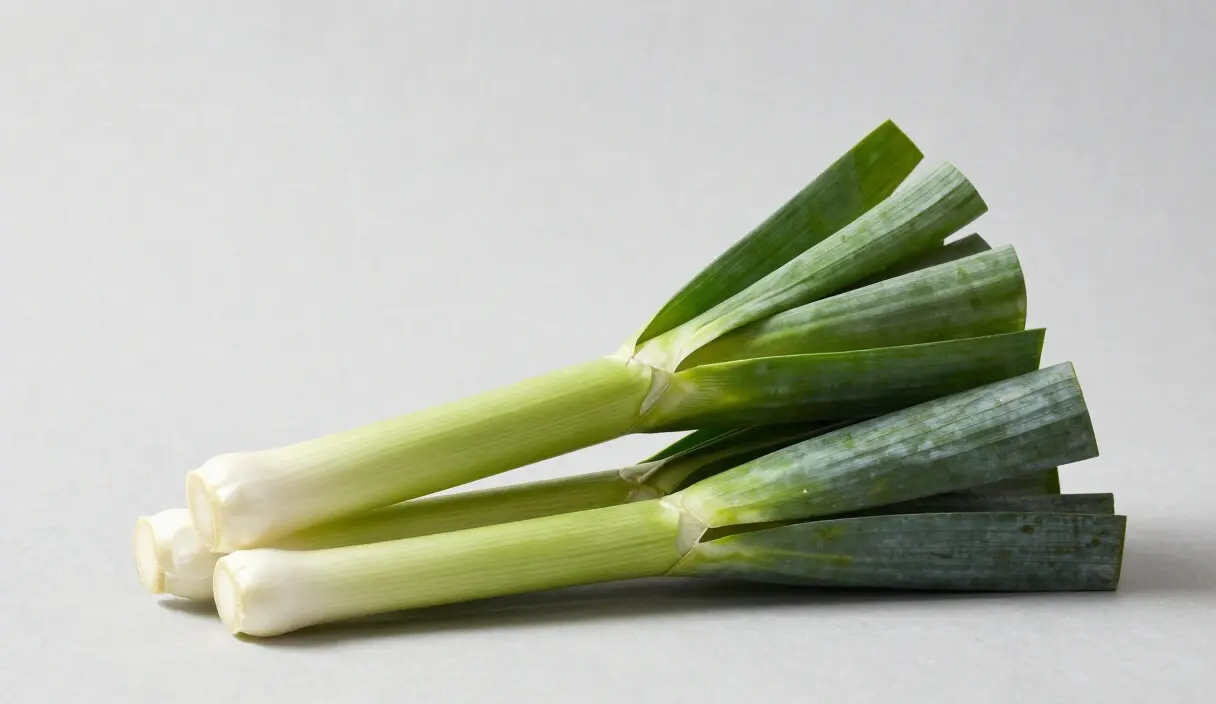
Fermenting Leeks and Scallions: The Milder Side of Alliums
Master the art of green allium fermentation. We explore the science of leeks and scallions, texture management, and savory pairings.
Contents
Fermented leeks and scallions are the quiet overachievers of the allium family. No aggressive sulfur punch, no eye-watering prep, no overpowering the dish. What fermenting leeks and scallions produces instead is a buttery, floral depth that standard cooking methods can’t replicate — because that flavor comes from Leuconostoc and Lactobacillus breaking down sulfur compounds over two weeks, not from heat. The sand-removal protocol matters. The 3% brine matters. And the tannin trick for preventing texture mush? That’s the part most guides skip entirely.
The Anatomy of the Leek: White vs. Green
Counter to what most vegetable fermentation guides say, the green tops aren’t useless — they’re your fermentation’s best insurance policy. Use them as a sacrificial submerging layer. The whites do the flavor work; the greens do the structural work.
To ferment a leek successfully, you must understand that you are working with two different biological environments in one vegetable.
The White Bulb (The Sugar Store)
The lower, white part is where the plant stores its energy.
- Fermentation Profile: Behaves like a mild onion. It is dense and produces a steady acidification curve.
- Result: Becomes translucent and buttery after 2 weeks.
Data point worth knowing: leeks run 60-70% higher in fructooligosaccharides (FOS) than onions by dry weight. FOS are prebiotic fibers that Lactobacillus feeds on preferentially. That’s part of what drives the 2-week flavor transformation — the bacteria are working on a richer fuel source than most other allium ferments.
The Green Tops (The Microbial Frontier)
The dark green leaves are fibrous and contain higher levels of chlorophyll and wild microbes.
- The Risk: Green tops are more prone to slimy texture issues and “grassy” bitterness.
- The Strategy: Use the whites for eating and the greens as a “sacrificial layer” to keep the whites submerged.
The Sulfur Challenge: Milder but Persistent
While leeks contain less sulfur than onions, they still produce the signature “Allium Funk” initially.
Volatile Management
As Lactobacillus bacteria break down sulfur compounds, they release hydrogen sulfide.
- The Seal: Leeks must be fermented under an airlock. An open crock will result in a kitchen that smells like a damp basement for a week.
- The Mellowing: By Day 10, the scent shifts from “pungent” to “floral and savory.”
The smell on Day 4 is the part nobody warns you about. It’s sulfuric, genuinely unpleasant, and it will make you doubt the whole project. Don’t open the jar to investigate — that makes it worse. The airlock is doing its job. By Day 10, the ferment smells like roasted leeks and cultured butter. These are not the same vegetable.
Texture Science: Preventing the “Allium Mush”
Leeks have large intercellular spaces, making them prone to softening rapidly.
The Salinity Anchor
I recommend a 3% total salinity.
- Why? Extra salt provides osmotic support, keeping cell walls from collapsing.
- Precision: Use 30g of sea salt per liter of water. (See our Brine Calculator).
The Sand Protocol: Cleaning for Perfection
I’ve bitten into a gritty fermented leek. Once. You do not want to serve that to anyone. The slit-and-fan cleaning method below takes 3 extra minutes and completely eliminates the problem.
Leeks are almost always full of grit. If you don’t clean them correctly, your ferment will be ruined.
- The Slit: Slice the leek lengthwise from the green tops down to the white bulb (don’t cut through).
- The Fan: Fan leaves out under cold running filtered water.
- The Soak: Place cleaned stalks in ice water for 15 minutes to settle any remaining dirt and rehydrate cells for a perfect snap.
The Master Recipe: Buttery Fermented Leeks
Follow this for a sophisticated, buttery finish.
Ingredients:
- 3-4 Large Organic Leeks
- 1 Bay Leaf (for tannins)
- The Brine: 3% Salinity (30g sea salt per liter).
Preparation:
- Chop: Slice cleaned leeks into 1/2-inch coins.
- Pack: Pack coins into a quart jar. Press down firmly but gently.
- Brine: Pour 3% brine until submerged by 1 inch.
- Weight: Apply a glass weight. Leeks are very buoyant!
- Wait: Ferment at 65°F to 70°F for 14 to 21 days.
These are the tools that ensure a grit-free and crisp result:
Essential Leek Fermentation Gear
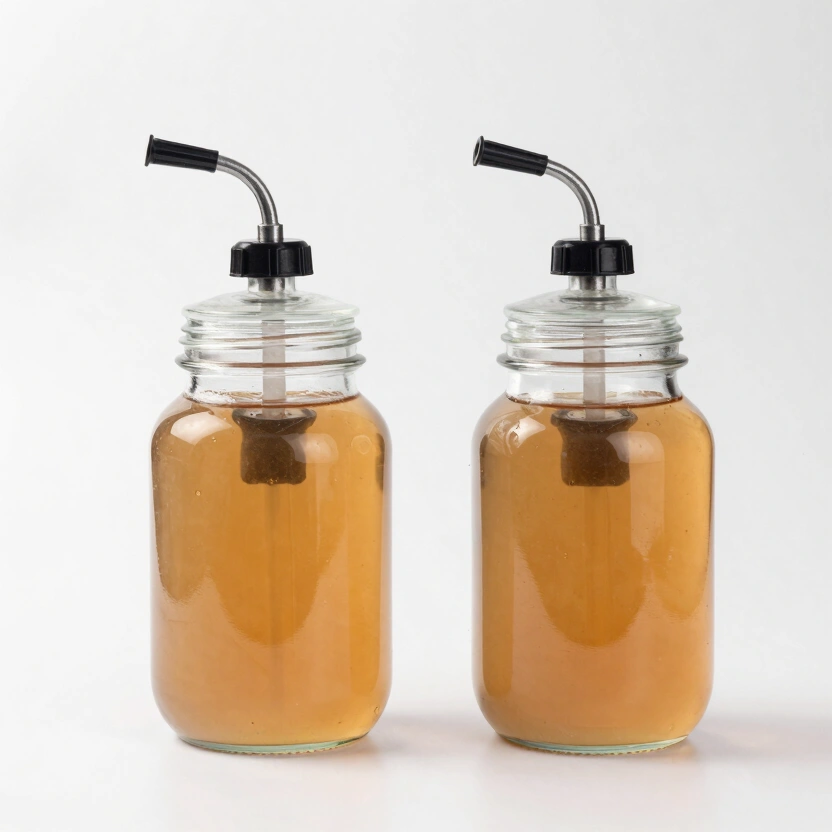
Green Wise Fermentation Jar Set (2 Pack)
Large 1.4L jars with integrated airlock valves. Perfect for sauerkraut, kimchi, or tomatoes.
Check Price on Amazon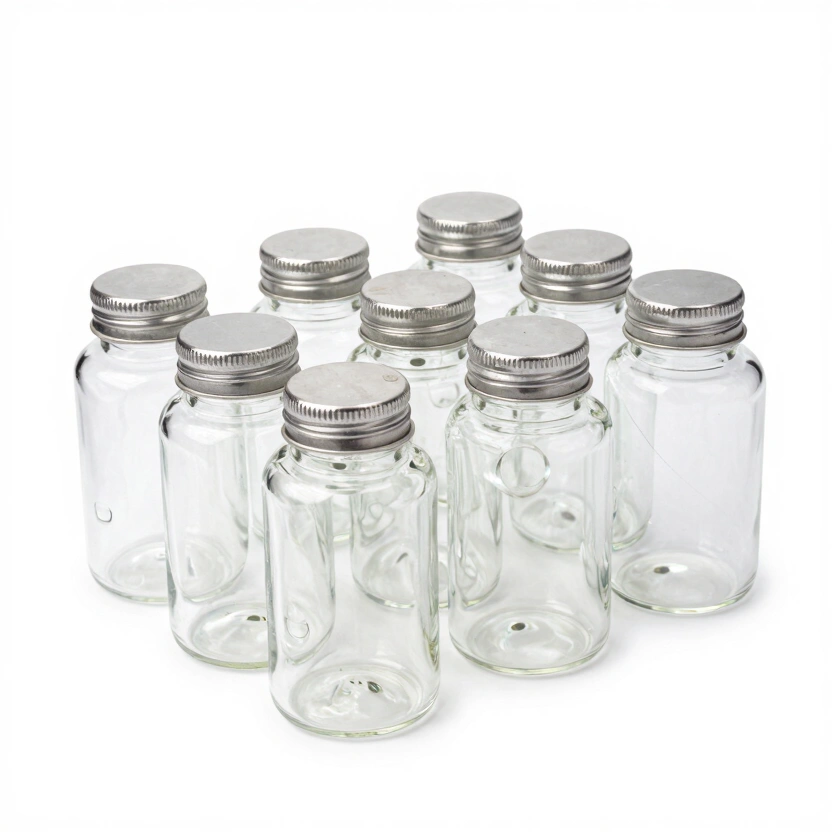
Artcome 10-Pack Glass Weights
Bulk set of heavy glass weights with easy-grip handles for large mason jar setups.
Check Price on Amazon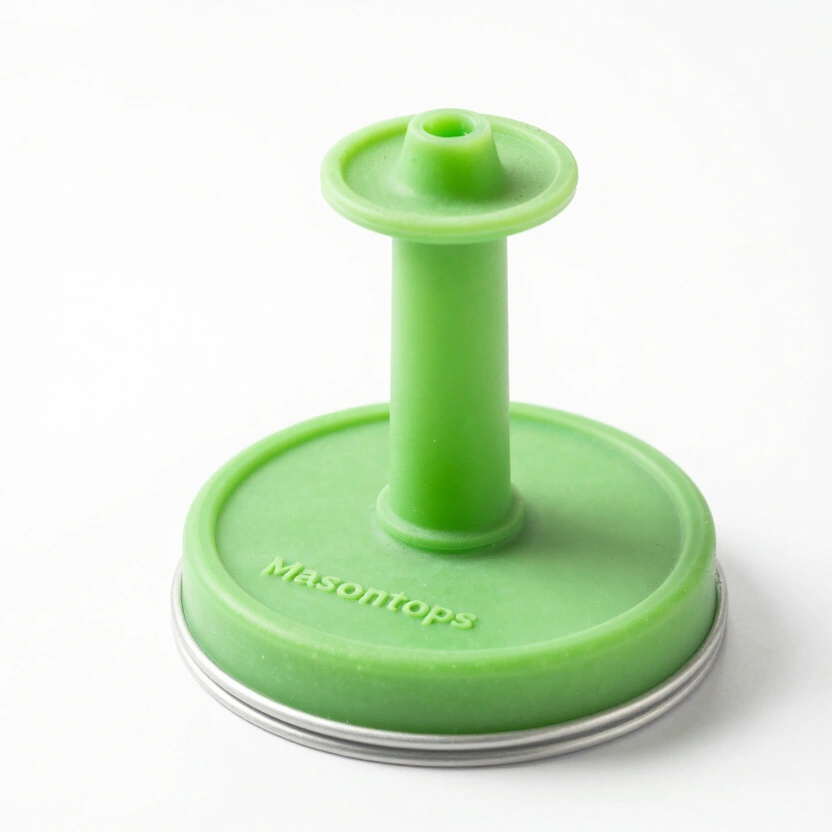
Masontops Pickle Pipe (Airlock Lids)
Waterless silicone airlock lids for easy, low-maintenance mason jar fermentation.
Check Price on Amazon* Affiliate links. Prices last updated March 3, 2026.
Scallion Fermentation: The “Pa-Kimchi” Strategy
Scallions are much faster than leeks.
- The Method: Often fermented in a paste of fish sauce, ginger, and chili flakes.
- The Speed: Whole scallions can be ready in as little as 3-5 days.
- The Result: A spicy, tangy condiment for grilled meats.
The speed differential matters for planning. A leek ferment is a two-week commitment that rewards patience. Scallions are a 3-day project you can start on a Tuesday and have on the table by Friday. Don’t treat them interchangeably — the technique overlaps, but the timeline management is entirely different.
The Tannin Defense: Locking in Texture
Fair warning: skip the tannin step on leeks and you’ll open the jar at Day 14 to a jar of soft, flaccid rings. The grape leaf or black tea bag is not optional if you want texture.
- Why? Scallions and leeks have very little structure in their green parts.
- The Fix: Tucking a grape leaf or a small bag of black tea prevents the green parts from turning into “slime.”
Culinary Applications: The “Savory Melt”
- Probiotic Eggs: Stir chopped fermented leeks into scrambled eggs just before serving.
- Steak Topper: Sauté fermented leeks briefly in butter for an acidic balance to rich meat.
- Miso Soup Booster: Add fermented leek coins to miso soup. They complement the umami of miso paste.
Storage and Shelf Life: The Mellowing Cycle
- The Fridge Transformation: After 2 weeks in the cold, sharp notes disappear, leaving a flavor like roasted onions and cream.
- Longevity: Fermented leeks last 6 to 12 months in cold storage.
Counterintuitive note: fermented leeks at 8 weeks taste noticeably better than at 3 weeks. The fridge mellowing cycle is not just resting — it’s continued slow fermentation. The butyrate compounds that give the buttery character keep developing at refrigerator temperature, just slowly. A jar you forget about for two months is often the best jar you’ve made.
Most people who try fermented leeks for the first time say some version of the same thing: “I didn’t expect that.” The mild, slightly sweet allium that gets lost in soups and stews becomes something else entirely over 14 days in salt — translucent, buttery, faintly acidic, complex in a way that cooking can’t produce. This isn’t a subtle upgrade. It’s a different ingredient.
Clean the leeks properly. Use 3% brine without guessing. Add a tannin source. Wait the full two weeks before judging the result. That’s the whole protocol. The bacteria handle the rest.
For the jar and weight setup that keeps leeks fully submerged for the full two-week run, the best fermentation jars covers the wide-mouth Fido and Weck options that work best with long allium ferments.
Use the Brine Salinity Calculator to dial in your exact 3% ratio before you pack the first jar — weight-based precision matters more here than with higher-sulfur alliums.
Frequently Asked Questions
Why are my leeks turning slimy on Day 4 or 5?
A temporary slime phase between Day 3 and Day 7 is almost always a Pediococcus bloom — a normal early-stage bacterial succession that resolves as Lactobacillus acidifies the brine and takes over. It’s safe and will pass without intervention. If slime persists past Day 10 and the smell is off, your salinity is too low. Check the slimy fermentation troubleshooting guide and use 3.5% brine on the next batch.
Do leek roots need to come off before fermenting?
Yes, always. Roots trap soil between their fibers and release an earthy, muddy bitterness into the brine that no amount of time will resolve. Remove them at the white base before the sand-cleaning protocol. Ten seconds of work that prevents having to discard the entire jar.
I see a white film on my brine. Is the ferment still usable?
Flat, powdery, white film is Kahm yeast — not dangerous, but it will add a bitter undertone if left for more than a day or two. Skim it completely with a clean spoon, wipe the jar rim with white vinegar, and verify that all leek material is fully submerged below the brine line. The Kahm yeast guide has side-by-side identification detail for telling it apart from actual mold.
Can I start tasting my leeks before Day 14 to track progress?
Yes — start at Day 7. At that point you’ll taste raw allium sharpness with early acidity. By Day 10, that sharpness has mellowed considerably. The full buttery transformation happens in the final four days. Tasting the progression is useful; it calibrates your understanding of the timeline for future batches. Just use a clean utensil each time and reseal the jar promptly.
Can I ferment wild ramps using the same method?
Same method, slightly adjusted. Ramps have a more intense garlic-onion character and ferment faster than scallions — 3 days at room temperature is usually sufficient. Use 2.5% brine rather than 3% because ramps are more delicate. Watch texture carefully after Day 3; they can go from crisp to soft in under 24 hours once peak fermentation hits.
Related Articles
The Scoville Scale and Fermentation: Does Heat Level Change Over Time?
Does fermentation make hot sauce hotter or milder? We explore the stability of capsaicin, pH impact on heat perception, and the Scoville scale.
The Ultimate Guide to Glass Jars: Fido vs. Weck vs. Mason for Fermentation
Choosing the right jar is critical for safety and success. We compare Fido, Weck, and Mason jars for pressure management and anaerobic integrity.
The Science of Slime: Troubleshooting Pediococcus and Texture Issues in Fermentation
Is your sauerkraut brine thick and stringy? Learn about Pediococcus and how to fix slimy fermentation without throwing it away.