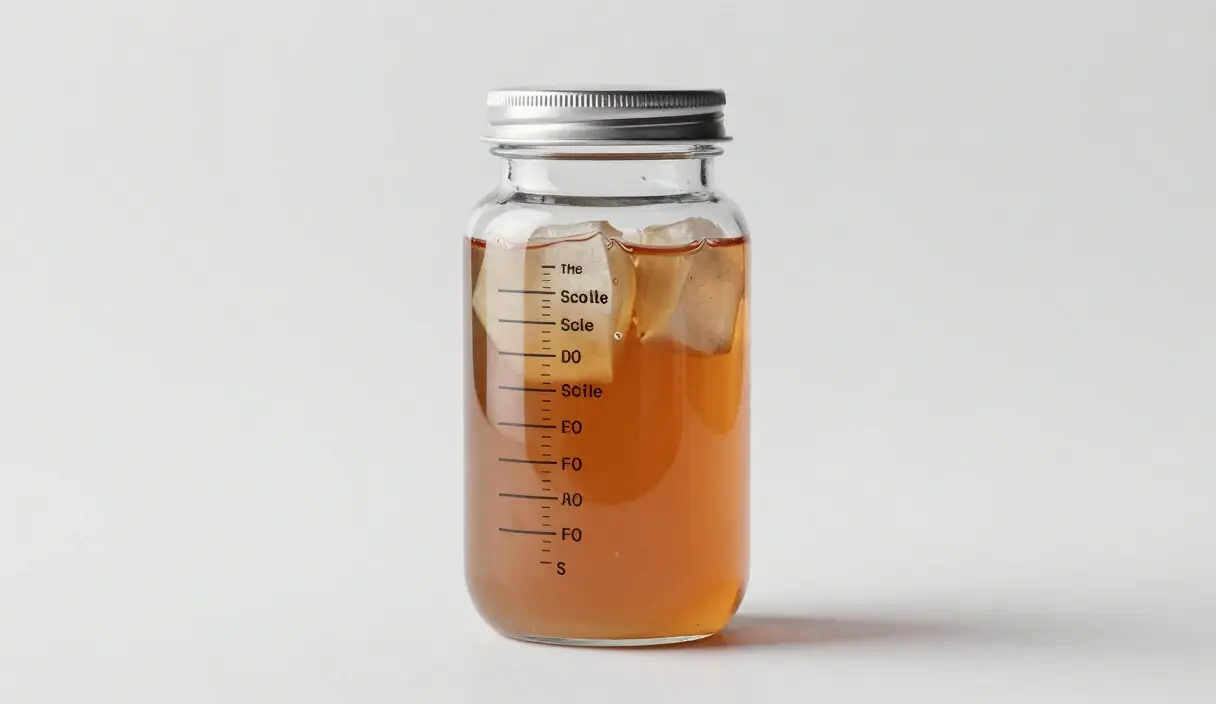
The Scoville Scale and Fermentation: Does Heat Level Change Over Time?
Does fermentation make hot sauce hotter or milder? We explore the stability of capsaicin, pH impact on heat perception, and the Scoville scale.
Contents
In 1493, Christopher Columbus returned from the Caribbean with capsaicin-bearing seeds and a ship’s log describing “a pepper so hot it burns the mouth like fire.” Within a generation, chili had reached Portugal, spread across West Africa, crossed the Ottoman Empire, and entered Korean kimchi paste via the Silk Road. A single botanical exchange transformed a thousand-year-old fermentation tradition — and introduced the world’s most studied pain receptor, TRPV1, to a new chemical adversary. The speed of that spread should tell you something: capsaicin does something to human perception that no other compound does. Not flavor. Pain. And people chased it anyway.
That same perceptual complexity sits at the center of the scoville scale hot sauce science debate. Does fermentation change the heat of a chili pepper? Biologically, the capsaicin molecule is chemically stable — the bacteria aren’t eating it. But the acidic environment of a fermented sauce demonstrably changes how your TRPV1 receptors respond. pH of your brine alters your tongue’s activation threshold. The answer is more complicated than “hotter” or “milder” — and it’s worth understanding before you pour three months of work down the drain with the brine.
The Capsaicin Molecule: A Biological Tank
Most guides get this wrong — they assume fermentation degrades capsaicin the same way heat or oxidation might degrade other flavor compounds. It doesn’t work that way. The amide bond is exceptionally stable.
To understand why heat levels change, we must understand the chemical at the center: Capsaicin.
If you’ve ever wondered why a fermented hot sauce from the same pepper batch sometimes feels stronger than the raw mash, and sometimes milder — this is the section that explains it. The answer isn’t fermentation chemistry. It’s substrate management.
Molecular Stability
Capsaicin is a stable organic compound — one of the most chemically durable flavor molecules in the plant kingdom. It belongs to a class of compounds called Alkaloids, and like most alkaloids, it resists biological degradation.
- Heat Resistance: It is not destroyed by boiling or freezing.
- Chemical Resilience: It is resistant to oxidation and enzymatic breakdown.
- The Microbial Factor: Most Lactic Acid Bacteria (LAB) lack the enzymes required to break the amide bond of the capsaicin molecule. Biologically, the bacteria are not “eating” the heat.
The “Nuke” Strains
In peppers above 500,000 SHU, capsaicin levels can inhibit some bacterial strains. But most domesticated LAB cultures — including the strains in commercial starters like Caldwell’s or LEM — are capsaicin-tolerant, allowing them to thrive even in “super-hot” mashes.
The Dilution Fallacy: Why Fermentation Might Seem Milder
If the bacteria aren’t eating the capsaicin, why does fermented sauce often taste milder? It usually comes down to math.
The Brine Factor
As we learned in our Substrate Comparison, most people use a liquid brine.
- Migration: Over time, capsaicin moves from the pepper into the surrounding liquid.
- The Calculation: If you discard the brine before blending, you are literally pouring a portion of the SHU down the drain.
The Addition of Ingredients
A fermented sauce rarely consists of pure peppers. Most makers add garlic, onions, or fruit. These “bulk” ingredients dilute the total concentration of capsaicin per gram, naturally lowering the Scoville rating.
The Acidification Effect: Heat Perception and pH
The most fascinating part of the “heat debate” is how our tongues perceive fire in the presence of acid.
Imagine biting into the same habanero twice — once raw, once fermented at pH 3.4 for six weeks. Same pepper. Different experience. That’s not imagination. That’s receptor biology.
Vanilloid Receptor (TRPV1)
The TRPV1 receptor in your mouth detects both “burning” and actual temperature.
- The Acid Boost: Research shows that low pH (acidity) lowers the activation threshold of the TRPV1 receptor.
- The Result: In a fermented sauce at pH 3.5 — well below the safety threshold of 4.6 — your mouth is more sensitive to the capsaicin. This is why a fermented sauce can feel more immediate than a raw pepper, even if the total SHU is lower.
Mash vs. Brine: Physics of the Substrate
I blended a brine ferment where I accidentally discarded half the liquid before processing — the finished sauce was noticeably milder than an identical batch where I used all the brine. Not because fermentation changed the capsaicin. Because I poured heat down the drain.
Where the capsaicin goes determines how much heat stays in the sauce.
The Mash Advantage
In a pepper mash, there is no external water added.
- Concentration: As bacteria consume sugars and release CO2, the total volume slightly decreases while the capsaicin remains, potentially increasing SHU per gram.
- Extraction: Enzymatic breakdown releases more capsaicin from the placental tissue, making it more available to the palate.
The Brine Dilution
In a brine ferment, peppers are submerged in saltwater.
- Leaching: Some heat will always leach into the brine.
- The Loss: Unless you use 100% of the brine when blending, you are losing heat compared to a raw mash.
Flavor Rounding: The Complexity Illusion
This is the psychological component of heat. Fermentation creates savory, umami-forward flavor compounds alongside the acids. In a raw pepper, there is nothing to compete with the burn. In a well-developed ferment, organic acids and esters provide a counterpoint — your brain interprets this as a “smoother” heat, even if the molecular concentration of capsaicin is unchanged. The SHU hasn’t moved. Your perception of it has.
Long-Term Aging: Does Heat Decay?
Oxidation and Time
Capsaicin is stable, but not permanent. Over long periods (1 year+), slow oxidation begins to degrade the capsaicinoids. Measurable. Predictable. Gradual.
- The Mellowing: Most pros find that the “sharpness” decays after 6 months, being replaced by a slower, building “bloom” of heat.
- The Peak: A fermentation period of 4 to 8 weeks is considered the “Sweet Spot” for heat and flavor.
The “Cap-Cramming” Strategy for High Heat
To create the hottest sauce possible, use Concentration:
- Dehydration: Use dried chilis rehydrated in minimum brine to pack more capsaicin into every milliliter.
- Brine Reduction: After fermentation, simmer your brine to reduce its volume by 50% before blending it back in.
Seed Science: To Deseed or Not?
- The Anatomy: Capsaicin is produced in the Placental Tissue (white pith), not the seeds themselves. Seeds have zero capsaicinoids — they’re passengers.
- The Fermentation Role: Seeds contain oils and tannins. Fermenting with seeds provides more heat extraction but risks a bitter note after 2 months. The alkaloids in the pith extract more cleanly without seeds competing for brine saturation.
- Recommendation: Keep seeds in during fermentation, then strain them out during the final blending phase for a “pro” look.
Measuring the Fire: HPLC vs. Organoleptic
How is the Scoville level actually determined today?
High-Performance Liquid Chromatography (HPLC)
This is the modern scientific standard.
- The Method: A sample is injected into a machine that separates and counts individual capsaicinoid molecules.
- The Units: ASTA Pungency Units are converted into Scoville Heat Units. This is the only way to get an accurate SHU for a commercial sauce.
These are the tools that help you visualize and manage your heat levels:
Top Heat Management Tools
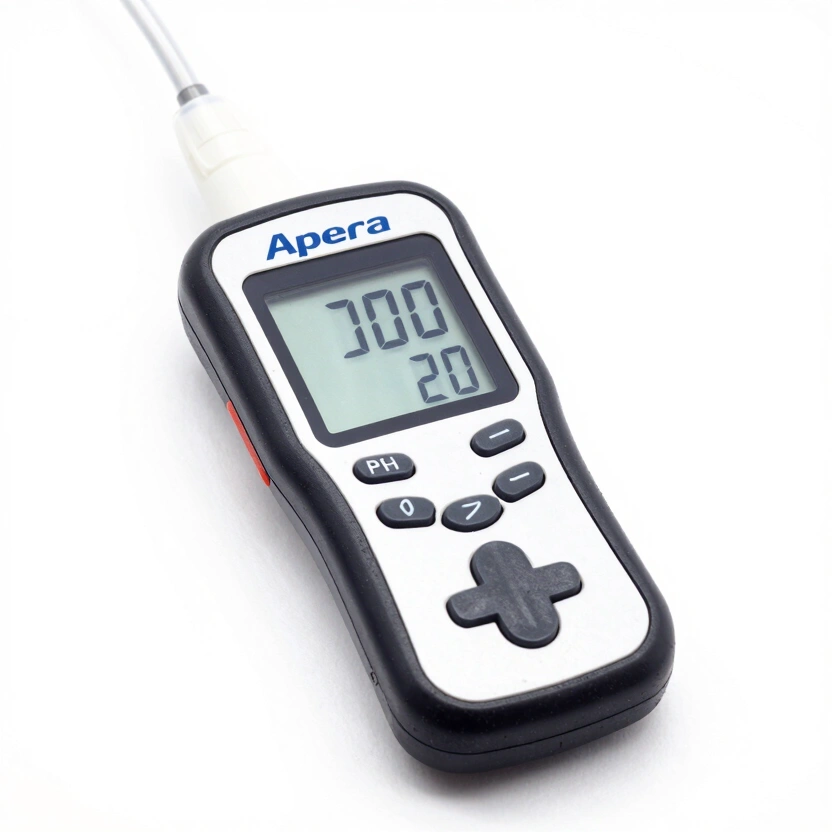
Apera Instruments PH20 pH Meter
Professional-grade digital pH tester, essential for verifying safety in low-acid ferments.
Check Price on Amazon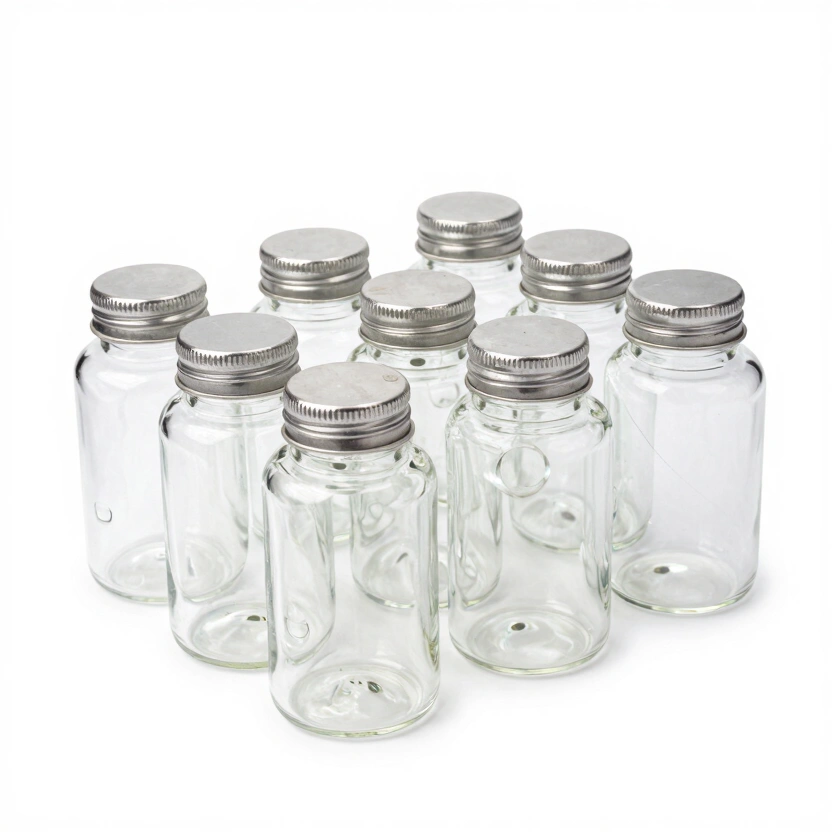
Artcome 10-Pack Glass Weights
Bulk set of heavy glass weights with easy-grip handles for large mason jar setups.
Check Price on Amazon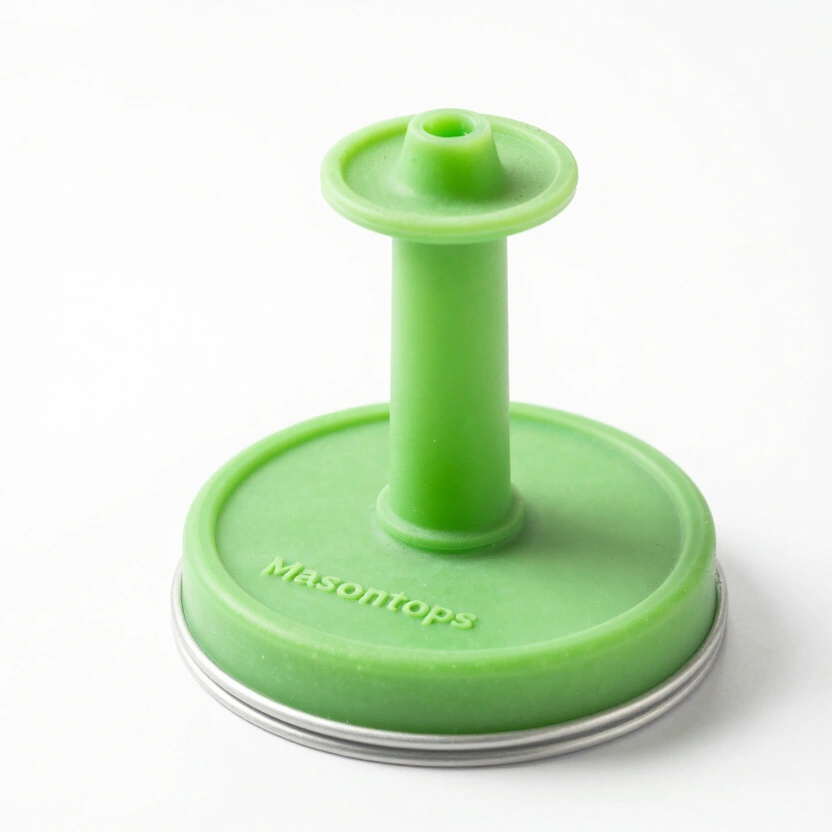
Masontops Pickle Pipe (Airlock Lids)
Waterless silicone airlock lids for easy, low-maintenance mason jar fermentation.
Check Price on Amazon* Affiliate links. Prices last updated March 3, 2026.
The “Sweet Spot” of 4-8 weeks isn’t arbitrary — it’s where the flavor rounding peaks while the capsaicin concentration is at its highest. Beyond 8 weeks you gain complexity but start losing the sharp, immediate heat impact to slow oxidation.
The original Scoville organoleptic test relied on a panel of human tasters — subjective, variable, and dependent on individual TRPV1 sensitivity. HPLC replaced it with molecular counting that doesn’t care how tolerant your palate is. For the complete pepper substrate comparison on how each method affects final capsaicin concentration, read the Fermenting Hot Peppers: Fresh vs. Dried vs. Mash Analysis.
Frequently Asked Questions
Does fermentation actually reduce the Scoville heat level of a sauce?
Biologically, no. LAB strains cannot break the amide bond of the capsaicin molecule. What changes is context: dilution from added brine ingredients, flavor rounding from organic acids and esters, and increased TRPV1 receptor sensitivity from low pH.
Why does my fermented hot sauce taste hotter after sitting in the fridge for a week?
Flavor marriage. During the first week post-blending, capsaicin is still migrating and distributing evenly throughout the sauce matrix. Once it reaches full distribution, every sip delivers consistent heat rather than variable hot spots. This isn’t a chemical increase — it’s a uniformity increase.
Can I ferment bell peppers to make a zero-heat fermented sauce?
Absolutely — the lacto-fermentation process is identical, and bell peppers produce a deeply savory, sweet-acidic sauce with none of the heat. Fermenting for 3 weeks at 3% salinity and blending with apple cider vinegar yields something genuinely complex. It’s a great starting point for the fermented hot sauce process before committing to superhot peppers.
What is the most accurate way to measure Scoville Heat Units at home?
You can’t get a true SHU at home — HPLC requires laboratory equipment. What you can measure is relative heat shift across batches using a consistent tasting panel or by comparing your sauce against a commercial reference with a known SHU. Monitoring pH with a digital meter and tracking capsaicin-to-bulk ratios via your recipe weights gives you more useful fermentation data than any home heat test.
Related Articles
The Science of Slime: Troubleshooting Pediococcus and Texture Issues in Fermentation
Is your sauerkraut brine thick and stringy? Learn about Pediococcus and how to fix slimy fermentation without throwing it away.
Tempeh DIY: Mastering the Rhizopus Mycelium at Home
Learn how to make high-protein tempeh from scratch. We explore fungal biology, incubation technology, and the science of the white mycelium.
Koji-Kin: The 'National Fungus' and its Enzymatic Power
Master the foundation of Japanese fermentation. We explore the science of Aspergillus oryzae and how to grow koji at home.