Continuous Brew Kombucha: The Expert Guide to Scaling Your Probiotics
Stop cleaning jars every week! We explore the efficiency, safety, and science of the continuous brew kombucha system.
Contents
Batch brewing feels like a loop that never ends: clean the jar, rebuild the culture, wait two weeks, start again. Continuous brew kombucha guide practitioners know there’s a better way. A continuous brew vessel never resets. It maintains a permanent low-pH environment that no mold can penetrate, a SCOBY several inches thick, and a living microbial population so dense that new sweet tea inoculates almost instantly. The physics of stratification — acid-rich mature kombucha at the bottom, fresh tea introduced at the top — is what makes this system genuinely more stable than batch brewing, not less.
What is Continuous Brew? The Perpetual Engine
At its core, a continuous brew system is a biological buffer. Instead of starting from scratch every week, you maintain a large, established population of bacteria and yeast.
The Mechanism of Action
You typically use a 2 to 5-gallon vessel. Once the initial batch is fermented to your liking, you draw off 25-30% of the liquid for drinking or bottling. You then replace that volume with fresh, room-temperature sweet tea.
- The “Head Start”: Because 70% of the vessel is already highly acidic, mature kombucha, the new tea is instantly protected. The pH drops immediately, leaving no “window of opportunity” for mold to land.
- The Mature SCOBY: In a CB system, the SCOBY is allowed to grow to the full width of the vessel and can become several inches thick. This massive biological filter is efficient at processing sugar.
Biological Resilience: Why CB is Safer than Batch
One of the biggest myths in home brewing is that continuous systems are more prone to contamination. In reality, the opposite is true.
The Low pH Shield
As we learned in our pH Safety Masterclass, pathogens cannot survive below pH 4.6. In a batch brew, you spend the first 48 hours in the “Danger Zone” (pH 5.0 to 6.0) while the bacteria wake up. In a continuous brew, the pH never rises above 4.0. The system is permanently shielded by its own acidity.
Competitive Exclusion
Because the microbial population in a CB vessel is so large and established, any “wild” intruder that falls into the jar is immediately out-competed for resources. The sheer biomass of the established Acetobacter and yeast acts as a biological border patrol.
The Vessel: Choosing Your Command Center
For a continuous brew system to work, the vessel must be technically sound. You cannot simply use any large pot.
The Spigot Problem
The most common point of failure is the spigot.
- Avoid Plastic: Cheap plastic spigots can leach chemicals into the acidic kombucha over time.
- Avoid Plated Metal: Acid will corrode chrome or nickel plating, leaching heavy metals into your drink.
- The Standard: Use a 304 or 316 Grade Stainless Steel spigot with food-grade silicone gaskets. This is the only way to ensure long-term purity.
The Material: Glass vs. Ceramic
- Glass: Allows you to monitor the “Lees” (yeast sediment) buildup at the bottom. This is crucial for knowing when to perform a “Deep Clean.”
- Ceramic: Provides better temperature stability and keeps the brew in total darkness, which protects the light-sensitive bacteria.
I went through two plastic-spigot vessels before accepting that the material matters. After six months of continuous brew, the acidity etches plastic in ways that are not visible but are certainly detectable in the flavor. Stainless steel only.
The first time you draw from a properly maintained CB spigot — six months in, liquid flowing amber-gold with no cleanup, no reset — you understand why batch brewers make the switch. That’s not nostalgia. It’s efficiency you can smell.
Our top picks for a perpetual kombucha fountain:
Top Continuous Brew Gear
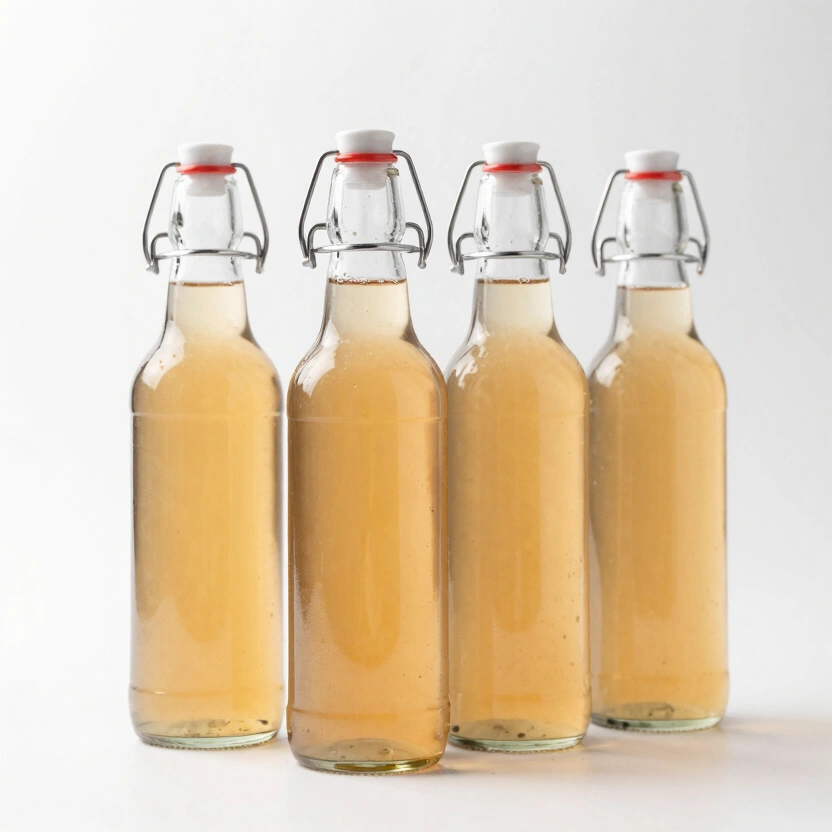
myFERMENTS Kombucha Starter Set
Large 4.25L jar set with swing-top bottles — ideal for first kombucha or kefir batches.
Check Price on Amazon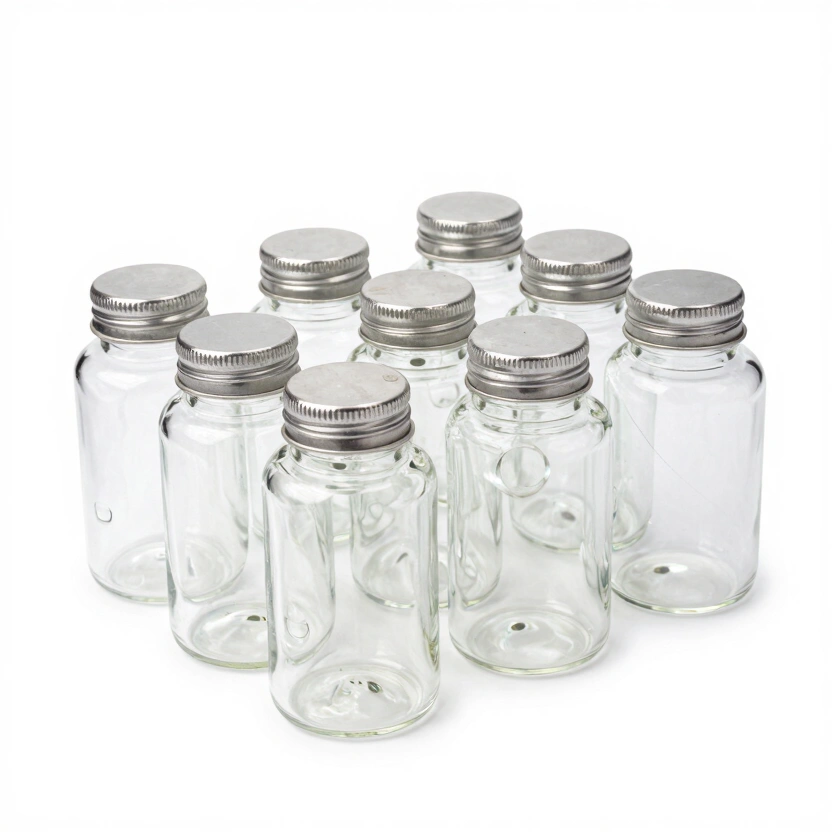
Artcome 10-Pack Glass Weights
Bulk set of heavy glass weights with easy-grip handles for large mason jar setups.
Check Price on Amazon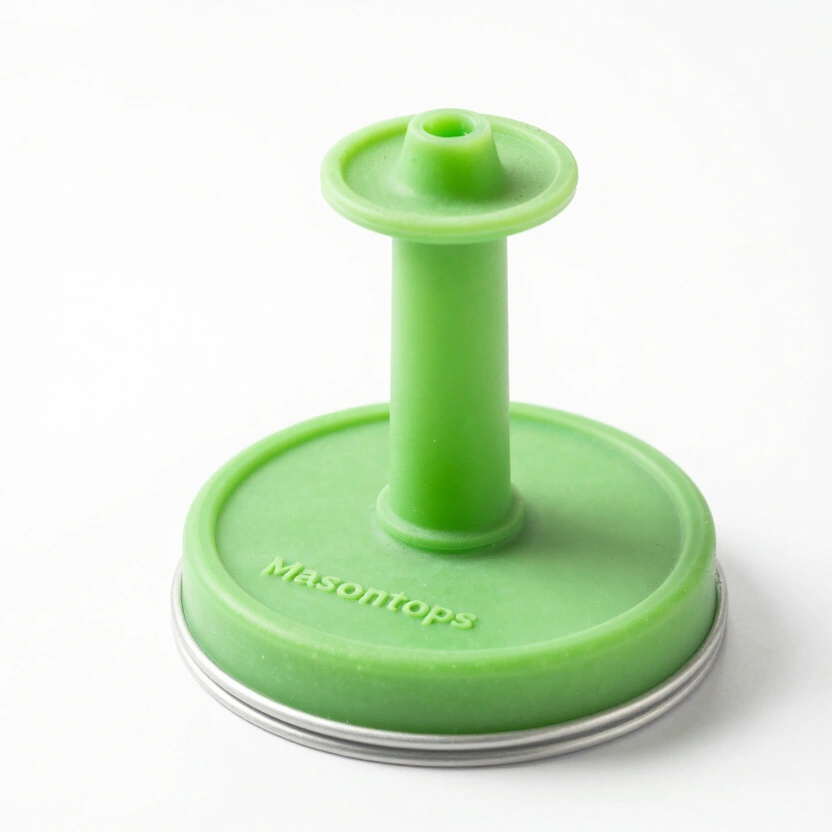
Masontops Pickle Pipe (Airlock Lids)
Waterless silicone airlock lids for easy, low-maintenance mason jar fermentation.
Check Price on Amazon* Affiliate links. Prices last updated March 3, 2026.
Initial Setup: The “Inaugural Brew”
Setting up a continuous brew requires more patience than a standard batch. You are building a biological foundation.
- Sanitize: Clean your large vessel and stainless steel spigot thoroughly. Use StarSan or a strong vinegar rinse.
- The First Batch: Fill the vessel with sweet tea and add a double dose of starter liquid and a healthy SCOBY. (Follow our Kombucha 101 Masterclass for ratios).
- Wait for Maturity: Do not draw from the spigot yet. Let this first batch ferment until it is slightly more sour than you would usually drink. This ensures the microbial population is dense and the pH is safely below 3.5.
The 30% Rule: Maintaining the Equilibrium
The secret to a successful CB system is the Harvest and Top-Off Ratio.
- The Limit: Never harvest more than 30% of the vessel’s volume at one time.
- The Reason: If you draw off 70%, the remaining liquid is not acidic enough to instantly stabilize the new sweet tea. You would be returning the vessel to a “Batch” state, increasing the risk of mold.
- The Routine: Most home brewers find that harvesting 20-25% every 3 to 4 days provides a perfect, perpetual supply of kombucha.
The 30% draw rule is not a suggestion. Pull more than that and you break the pH buffer. One mistake resets six months of biological stability in under 12 hours.
Managing the Yeast-to-Bacteria Ratio
In a continuous brew, the yeast can eventually become too dominant because they live primarily in the “Lees” (sediment) at the bottom, near the spigot.
Signs of Yeast Overdrive:
- The kombucha becomes very fizzy but lacks the sharp acetic tang.
- The brew tastes “bready” or like beer.
- The liquid becomes dark and cloudy.
How to Rebalance:
- Stirring: Occasionally stir the vessel before harvesting to ensure the bacteria at the surface are mixed with the yeast at the bottom.
- Temperature: Keep the vessel at 75°F to 80°F. Yeast thrive at lower temps, while bacteria (the ones that make the acid) prefer the warmer end of the range.
- Filtering: When you top off with new tea, pour it through a fine-mesh sieve to catch any large yeast clumps.
Counter to what most continuous brew tutorials suggest, I don’t stir my vessel before drawing — I stir it after adding the new sweet tea. Stirring post-addition distributes the fresh nutrients more evenly through the existing microbial layers and reduces local sugar concentration at the top.
Your kombucha starts tasting beery and bready. That’s a yeast overdrive signal, and it’s entirely fixable. Raise the temperature to 78°F, stir post-top-off, and it corrects within two brew cycles.
The “Deep Clean” Cycle: Every 6 Months
One of the best things about CB is that you don’t clean the jar weekly. But you can’t ignore it forever.
- When to clean: Every 6 to 9 months, or when the yeast sediment at the bottom reaches the level of the spigot.
- The Process:
- Drain the kombucha into clean jars (save 50% as your new starter).
- Remove the SCOBY. It will likely be several inches thick. Peel off the older, darker bottom layers and keep only the top 1-2 inches of fresh white cellulose.
- Remove and scrub the spigot. Yeast can build up in the valve, leading to clogs.
- Reset the system as if starting from scratch.
Harvesting Mastery: Direct Bottling and Priming
The beauty of a CB system is that your kombucha is always “on tap.”
The Direct Method
You can draw a glass of kombucha directly from the spigot and drink it immediately. It will be flat (uncarbonated) but delicious and high in probiotics.
The Bottling Method
If you want fizz, follow this CB-specific bottling protocol:
- Prepare your bottles: Use sanitized swing-top bottles.
- Add Flavor: Add your fruit or ginger directly to the bottle.
- Fill: Fill directly from the spigot.
- The Top-Off: Immediately replace the volume you took with room-temperature sweet tea. This maintains the “strata” of the brew.
Troubleshooting: Clogs and Over-Souring
- The Spigot is Clogged: This is almost always caused by a piece of SCOBY or a thick clump of yeast getting stuck in the valve.
- Fix: Use a sanitized plastic straw or pipe cleaner to gently push the obstruction back into the jar.
- The Brew is too Sour: If you forget to harvest for two weeks, the liquid can turn into potent kombucha vinegar.
- Fix: Do a 50% harvest (even if you don’t drink it) and top off with a double-sweet tea (extra sugar).
The continuous brew system isn’t just more efficient — it produces a more consistent flavor week after week than any batch system can. The stratified layers of acid, sugar, and active microbes self-regulate in ways a single batch jar simply can’t. Respect the 30% rule, clean the spigot during every deep clean cycle, and manage the yeast-to-bacteria ratio by monitoring temperature. That’s the entire maintenance requirement.
For the biology behind why pH is the determining factor in continuous brew safety, the pH Safety Fermentation Guide covers the full acid curve.
Ready to commit to a continuous brew vessel? The best fermentation starter kits covers the stainless steel spigot vessels, SCOBY storage options, and swing-top bottles that make the CB system run indefinitely.
The 30% draw-and-refill rule is the single structural principle that keeps a continuous brew running indefinitely — honor it and the system self-maintains; break it and you’re back to batch-brewing risk inside 24 hours. For visual anomalies that appear as you scale up, see the Ultimate Guide to Cloudy Brine and Sediment.
Frequently Asked Questions
Is it actually safe to leave kombucha out at room temperature indefinitely in a continuous brew?
Yes — as long as the pH stays below 4.0, which in a properly maintained CB system it always does. The acidity functions as a permanent biological preservative. The danger zone for pathogen growth is above pH 4.6; mature continuous brew kombucha sits at pH 3.0–3.5. That’s more acidic than most store-bought vinegar. Check pH monthly with a calibrated meter or strips to confirm the system is within range.
Do I need a special SCOBY to start a continuous brew?
Any healthy, active SCOBY from a standard batch system works. There’s no “continuous brew SCOBY” — the same culture simply grows larger in the wider vessel over time. Transition your existing culture by doubling your starter liquid quantity for the inaugural brew, and resist drawing from the spigot until the batch is properly sour (pH below 3.5).
My continuous brew tastes like bread or beer rather than kombucha. What’s wrong?
Yeast overdrive. When yeast sediment (lees) accumulates at the bottom near the spigot, the yeast-to-bacteria ratio tips out of balance. The fix is threefold: raise your fermentation temperature to 78°F–80°F (bacteria prefer warmth over yeast), stir the vessel to mix the layers, and filter yeast clumps out of your next top-off addition. Schedule a deep clean if the lees have reached spigot level.
How often should I clean the spigot?
Clean it thoroughly at every deep clean cycle — every 6–9 months. Between deep cleans, flush it by running hot water through the valve once a month. Yeast biofilm builds up inside the valve over time and can lead to slow-flowing or clogged spigots. A narrow pipe cleaner sanitized with StarSan handles this effectively.
Can I use honey in a continuous brew system?
Yes, but you’re effectively transitioning to a Jun-style system. Your SCOBY will need several batches to adapt to the sugar composition of honey — fructose and glucose rather than sucrose — and the antimicrobial properties of raw honey may suppress some bacterial strains in the early adaptation phase. Transition gradually: start with 25% honey to 75% cane sugar, then increase over successive batches as the culture adjusts.
Related Articles
Wild Yeast Harvesting: How to Start a Ginger Bug for Natural Sodas
Ditch the commercial yeast! Learn how to capture wild yeast from ginger to create naturally fizzy, probiotic sodas at home.
Fermenting Parsnips and Turnips: Mastering the Forgotten Roots
Why are parsnips and turnips the secret weapons of the crock? We explore the science of starchy root fermentation, sweetness, and savory depth.
Fermenting Fruit: The Science of Fruit Shrubs and Drinking Vinegar
Master the art of the shrub! We explore the science of fruit fermentation, acid stabilization, and how to create complex drinking vinegars.