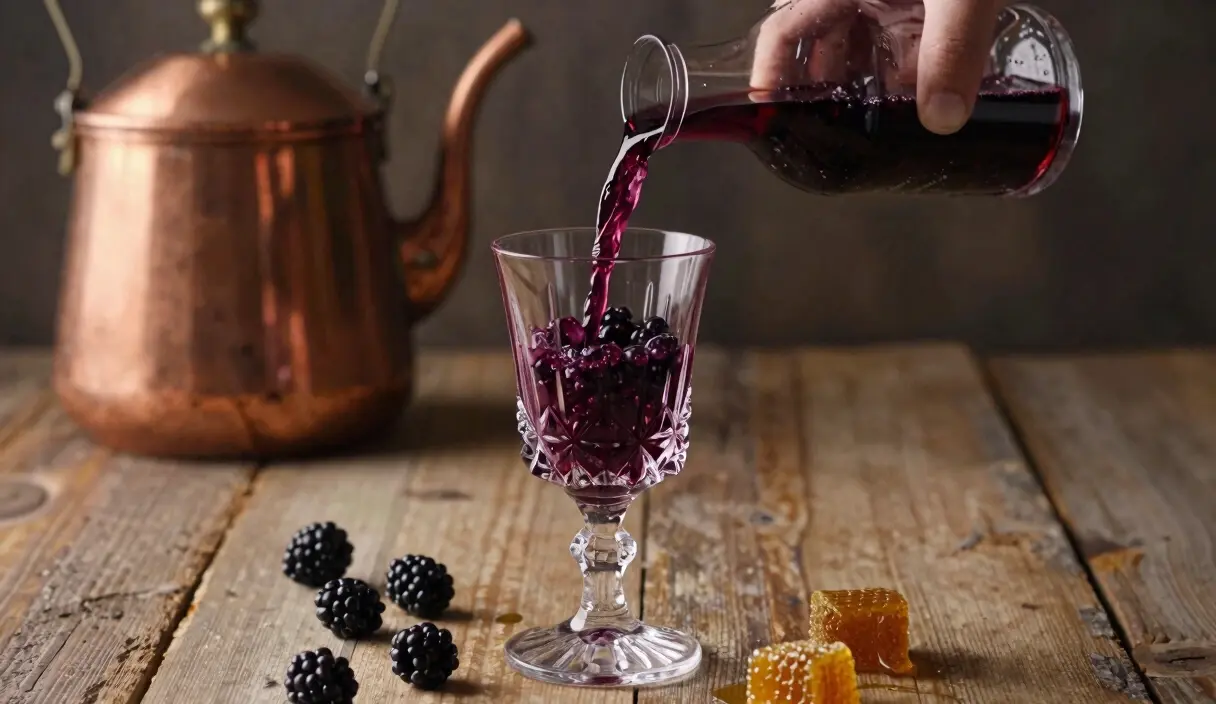
Fruit Melomels: How to Blend Honey and Berries for Perfect Mead
Master the art of the Melomel. Learn the technical nuances of adding fruit to mead, from primary fermentation strategies to preventing mold and pectin haze.
Contents
Norse melomel. Viking-era Scandinavian poetry uses the compound kenning mjöðviðr (“mead-wood”) for berry-bearing plants — which suggests that mead made with forest fruit was common enough to earn a mythological shorthand. Archaeological analysis of drinking vessels from the Jutland peninsula (around 1500 BC, pre-Viking) found residue consistent with honey, berries, and grains fermented together — an early proto-melomel. The Norse didn’t invent fruit mead; they named it.
But a Melomel — mead fermented with fruit — is something else entirely. More complex, more volatile, more demanding than plain honey wine. The definition is simple: add fruit, get a fruit mead. The execution is not. This guide has to reckon with something that traditional mead doesn’t: the war between fruit acids, tannins, honey esters, and a yeast colony that suddenly has two food sources and an opinion about both. Whether you’re chasing a deep, jammy blackberry mead or a light raspberry spritzer, the interaction between sugars, acids, and microbes is non-negotiable.
Primary vs. Secondary: When to Add the Fruit?
The most common question in Melomel production is when to introduce the fruit. There are two main strategies, each yielding a vastly different final product.
Adding Fruit in Primary (The “Wine” Approach)
Adding fruit at the very beginning of fermentation (alongside the honey) allows the yeast to process the fruit sugars and honey sugars simultaneously.
- Result: A deeply integrated, complex flavor. The fruit becomes less “fresh” and more “vinous” (wine-like).
- Challenge: Fermentation can be more vigorous, and the CO2 release may carry away some of the delicate fruit aromas.
Adding Fruit in Secondary (The “Fresh” Approach)
Adding fruit after the primary fermentation has slowed down or finished.
- Result: Intense fruit aroma and a brighter, “fresher” flavor. The color tends to be more vibrant because the fruit wasn’t subjected to the heat of peak fermentation.
- Challenge: Risk of restarting fermentation (refermentation), which can lead to unexpected carbonation or dry flavors.
Most guides get this wrong. They tell you to pick one strategy. The real answer is both.
Pro-Tip: The “Double-Fruit” technique involves adding half the fruit in primary for depth and the other half in secondary for aroma. This is the secret to award-winning Melomels.
Don’t skip the secondary addition thinking you’ve already done enough. That second wave of fresh fruit at day 14 is what separates a competent Melomel from one you actually want to drink at month 12.
The Math of Melomels: Ratios & Sugars
A balanced Melomel depends on the ratio of honey to fruit. If you use too much fruit, the honey flavor is lost; too little, and it’s just a traditional mead with a tint.
- Standard Ratio: 3 lbs (1.4 kg) of honey + 2–4 lbs (0.9–1.8 kg) of berries per gallon (3.8 liters) of water.
- Frozen vs. Fresh: Professional meadmakers often prefer frozen fruit. Freezing causes ice crystals to puncture the cell walls of the fruit. When thawed, the juice is released more easily, and the yeast can access the sugars faster without the need for intense mashing.
Keep a bag of frozen blackberries in your freezer right now. Not for this batch — for the one you’ll start three days after this one finishes and you realize you want more.
Selection: Best Berries for Beginners
Berries are the best entry point for Melomels because they provide high acidity and natural tannins, which help balance the sweetness of honey.
I’ve tested every common berry across a dozen batches, and blackberries remain the most forgiving for beginners — the tannin content compensates for minor process errors.
- Blackberries: High in tannins and deep in color. They provide a “heavy” mouthfeel similar to Cabernet wine.
- Raspberries: Aromatic. A little goes a long way. They add significant acidity, which is great for “short meads” (lower alcohol).
- Blueberries: Subtle and earthy. Blueberries often need a long aging time (12+ months) for their true flavor to emerge.
Equipment: Handling the Pulp
Fruit creates a mess. If you put whole berries into a narrow-neck carboy, they will form a “fruit cap” that can block the airlock and lead to a “mead explosion.”
Essential Fruit Filtration Bags
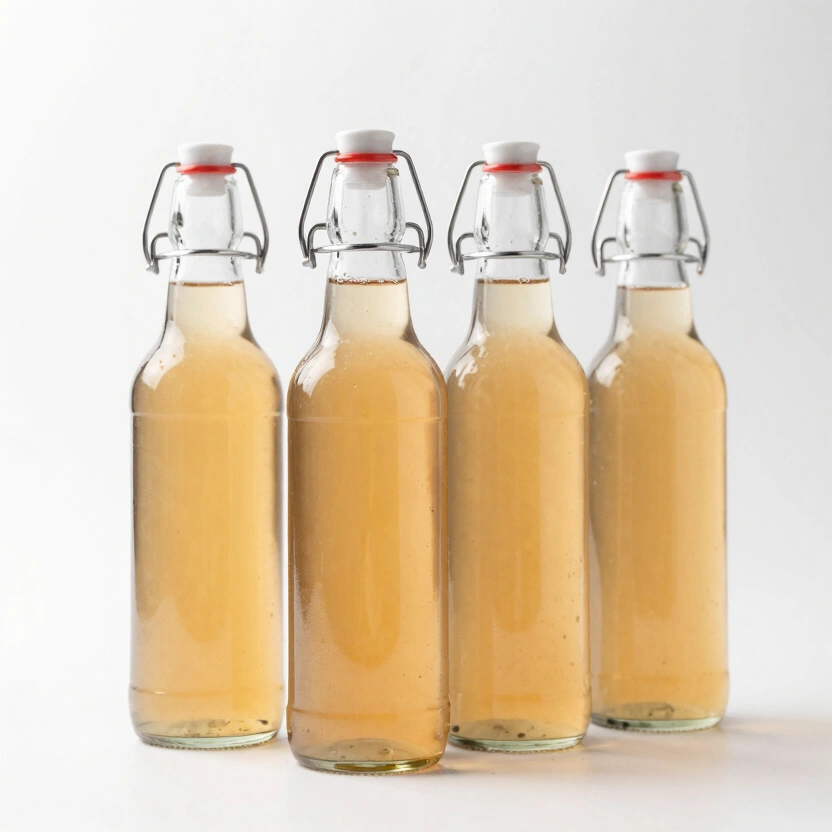
myFERMENTS Kombucha Starter Set
Large 4.25L jar set with swing-top bottles — ideal for first kombucha or kefir batches.
Check Price on Amazon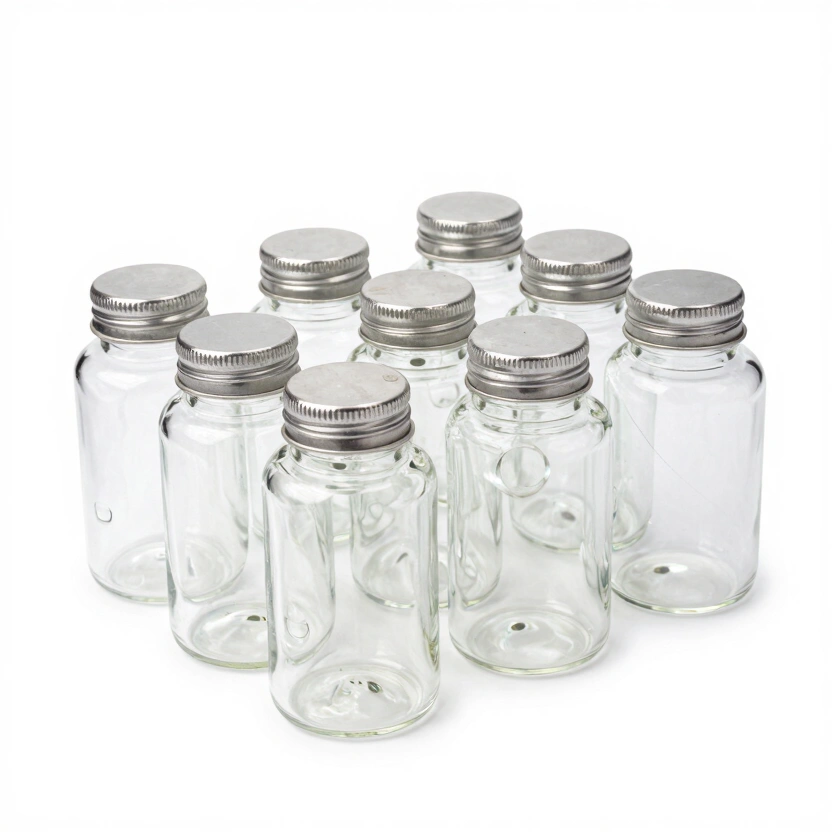
Artcome 10-Pack Glass Weights
Bulk set of heavy glass weights with easy-grip handles for large mason jar setups.
Check Price on Amazon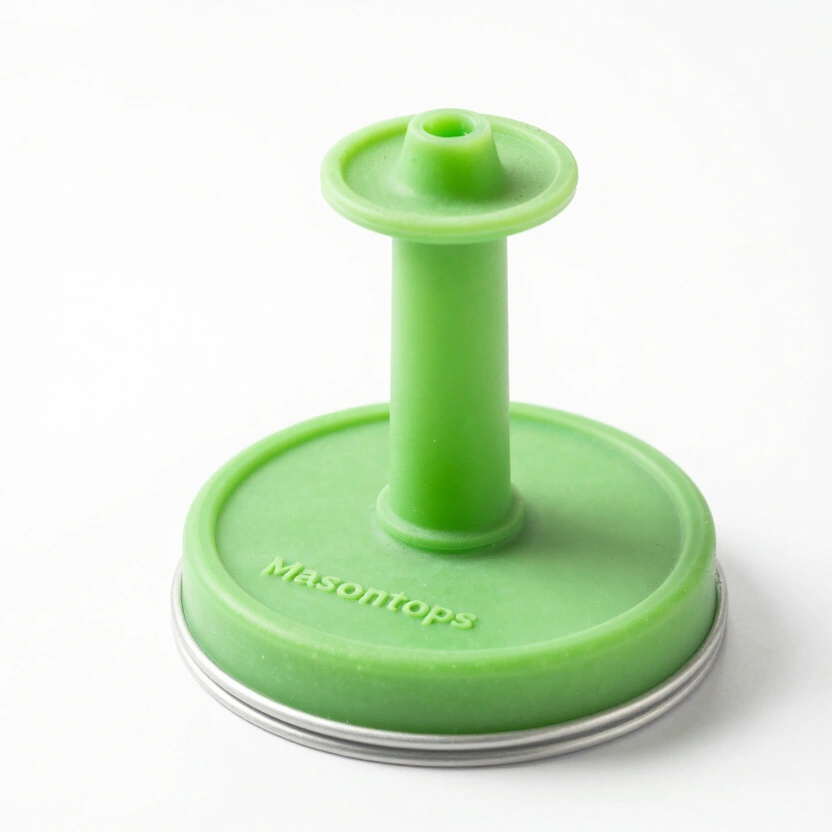
Masontops Pickle Pipe (Airlock Lids)
Waterless silicone airlock lids for easy, low-maintenance mason jar fermentation.
Check Price on Amazon* Affiliate links. Prices last updated March 3, 2026.
Always use a wide-mouth fermentation bucket for Melomels. Place your fruit in a sanitized mesh strainer bag. This makes it easy to remove the spent fruit after 1-2 weeks, leaving you with a cleaner must for aging.
Step-by-Step: Brewing Your First Melomel
1. Preparation & Must
Mix your honey and water to reach your target OG (Original Gravity). For a standard Melomel, target 1.100 to 1.120. Add your yeast nutrients (SNA is recommended).
2. The Pectic Enzyme Rule
Fruits contain pectin, which creates a permanent “cloudiness” in mead. To avoid this, add Pectic Enzyme 12–24 hours before pitching your yeast. The enzyme breaks down the pectin, ensuring your mead clears naturally over time.
I wasted two batches before figuring this out — adding Pectic Enzyme after pitching yeast is nearly useless. The enzyme is inhibited by alcohol. The window is before fermentation starts. Full stop.
Write “PECTIC ENZYME FIRST” on a sticky note and put it on your bucket. You will forget this step at the worst possible moment, and a hazy Melomel you’ve aged for 8 months is a brutal lesson.
3. Punching the Cap
If your fruit is floating at the top, it will dry out and become a breeding ground for mold. Twice a day, use a sanitized spoon to “punch down the cap” — pushing the fruit back under the liquid. This keeps the fruit wet and aids in extraction.
4. Racking and Aging
Once the fruit has lost its color (usually after 10–14 days), pull the fruit bag out. Let the mead finish fermenting. Rack it to a secondary vessel (like a glass carboy) for aging. Most Melomels require 6 to 12 months of aging to balance the acids and tannins.
Safety & Quality Control
- Preventing Mold: Never let fruit sit dry on top of the must for more than 12 hours. CO2 helps protect it, but physical submerging is safer.
- Managing Oxidation: Once the mead is in secondary, minimize headspace. Fruit meads are more sensitive to oxygen than traditional meads because of the delicate fruit compounds.
- Stabilizing: If you want a sweet Melomel, you must stabilize with Potassium Sorbate and Potassium Metabisulfite before back-sweetening, or the yeast will just eat the new sugar.
The initial fermentation smells like chaos — yeast, tart berries, a sharp almost vinegary edge. Strange. At month three, it still tastes rough. But at month 9 in the cellar, something shifts. The acids mellow. The fruit integrates with the honey. It becomes something worth pouring for other people.
That transformation takes no skill from you after the first two weeks. It just takes time and a cool, dark shelf. Get the process right on day one — Pectic Enzyme in before pitch, punch the cap twice daily, Lalvin 71B at 65°F–68°F if you’re using berries — and then leave it alone. Calculate your OG target with the ABV Calculator before you pitch, so you know exactly what you’re aiming for at the finish line. The First Gallon Mead Guide covers the foundational process if you need it before tackling fruit.
Tracking your OG and FG accurately is the difference between a Melomel that hits its target ABV and one that stalls early — the refractometer vs hydrometer for mead comparison explains which tool belongs at each stage of fermentation.
Struggling with a cloudy mead? Read my deep-dive on Mead Clarification to learn how to achieve professional clarity.
Frequently Asked Questions
When should I add the fruit — primary or secondary?
Both. Not a compromise — the actual best method uses both. Half your fruit goes in at pitch for depth and integration. The second half goes in after primary slows (around day 10–14) for bright, fresh aroma and color. This double-fruit approach is what makes the difference between a Melomel that tastes “fine” and one that wins a homebrew competition. Pick one stage if you want simpler logistics; use both if you want the best result.
How much fruit do I need per gallon of mead?
Start at 2–4 lbs (0.9–1.8 kg) of berries per gallon alongside 3 lbs of honey. Under 2 lbs and the honey overwhelms the fruit. Over 4 lbs and you risk hiding the honey character entirely. Use frozen. Ice crystals rupture cell walls during freezing, releasing juice on thaw without pressing — your yeast get faster sugar access and you get better color extraction. Fresh fruit works but requires more handling.
Why is my Melomel still hazy after 8 months of aging?
Pectin haze. Permanent. Fruit contains pectin — a structural carbohydrate — that binds into a cloud in the presence of alcohol. The only fix is Pectic Enzyme added 12–24 hours before pitching yeast. Not after. Alcohol inhibits the enzyme and makes it nearly useless once fermentation has started. If you’ve already missed that window, your options are bentonite fining or accepting the haze.
What yeast strain works best for a blackberry Melomel?
Lalvin 71B. It metabolizes malic acid — the sharp, green-apple acid dominant in blackberries — and smooths out the tartness that other strains leave behind. Ferment it at 65°F–68°F. Above 70°F and 71B starts producing fusel alcohols that won’t age out gracefully. Keep it cool, feed with Fermaid-O on the SNA schedule, and the berry character will come through clean at 6 months.
How do I know when to pull the fruit bag out?
Color is the visual signal. When the berries have faded from deep purple-black to a pale, washed-out pink or grey, they’ve given up most of their anthocyanins and flavor compounds to the must. That’s usually 10–14 days. Don’t leave spent fruit in longer than 2 weeks — it starts breaking down and releasing vegetal, overripe notes that are hard to age out.