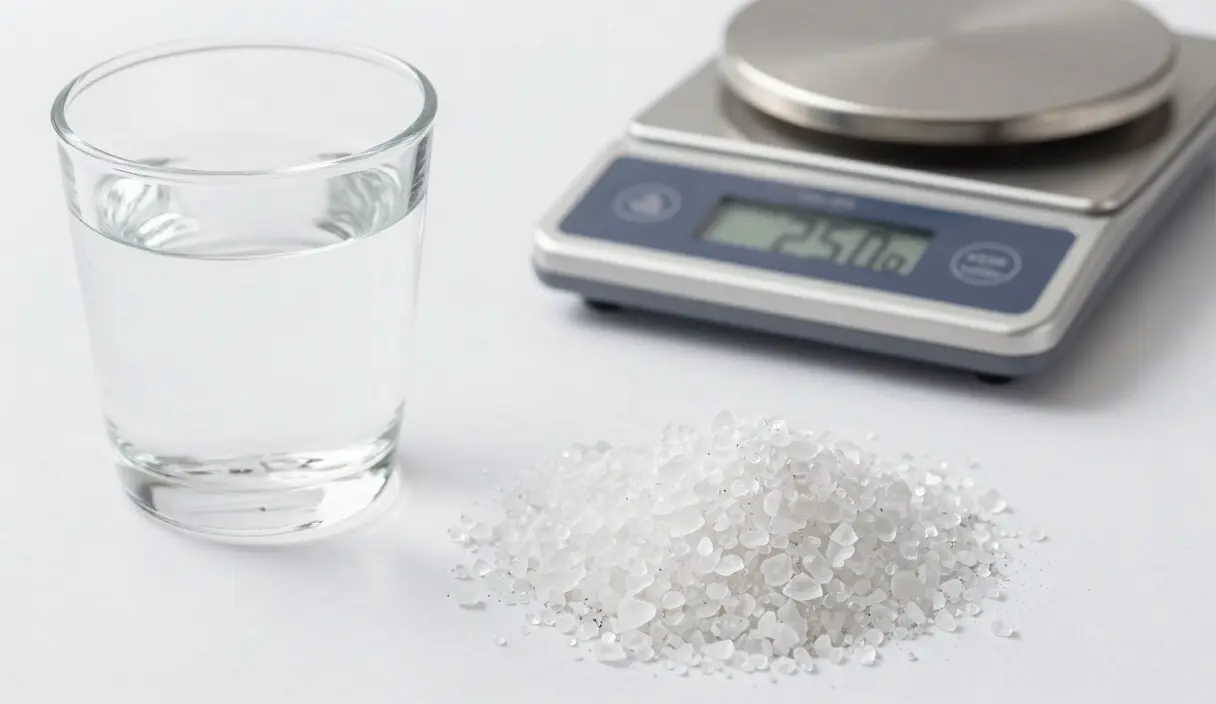
The Science of Brine: Why 2.5% is the Golden Ratio for Vegetables
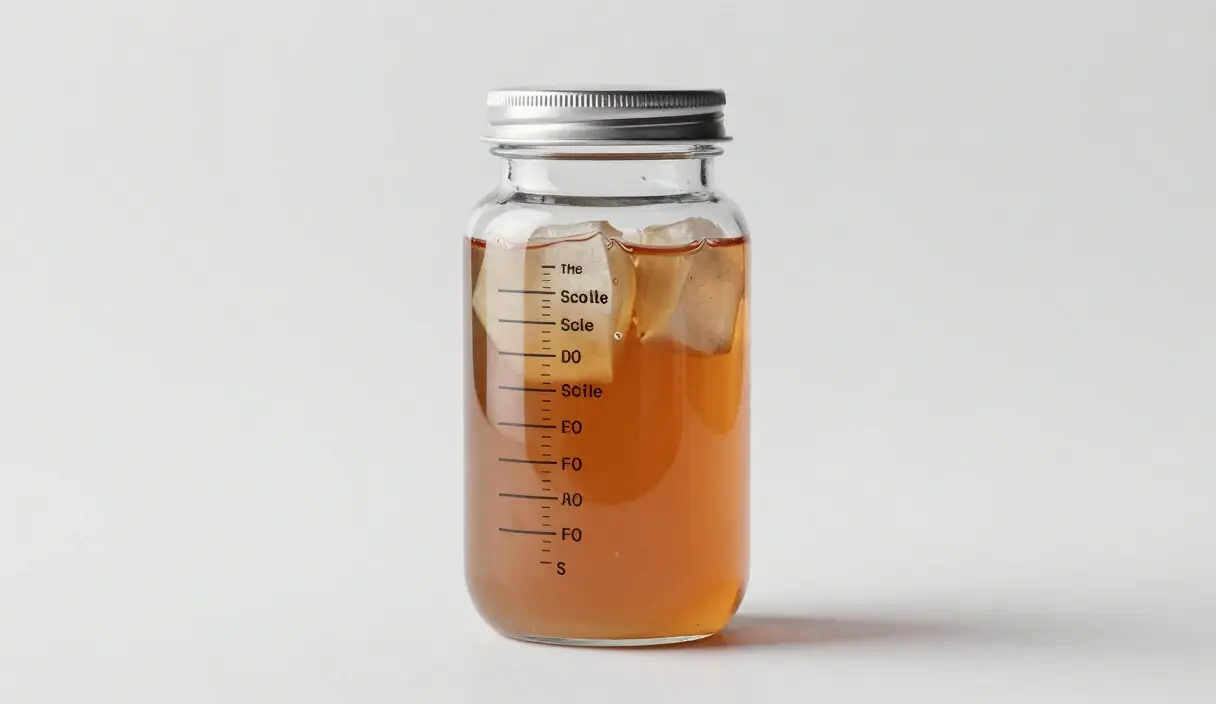
Master the mathematics of fermentation. Learn why a 2.5% brine ratio is the technical sweet spot for safety, texture, and microbial selection in vegetable ferments.
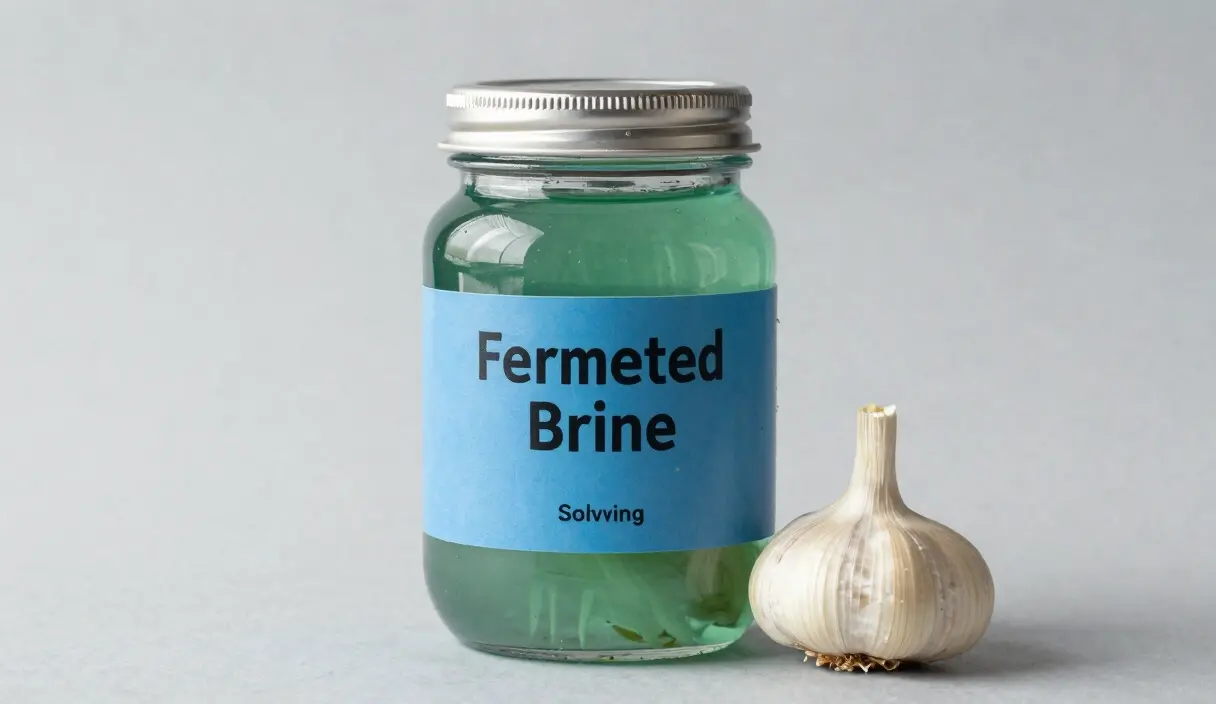

Master the mathematics of fermentation. Learn why a 2.5% brine ratio is the technical sweet spot for safety, texture, and microbial selection in vegetable ferments.
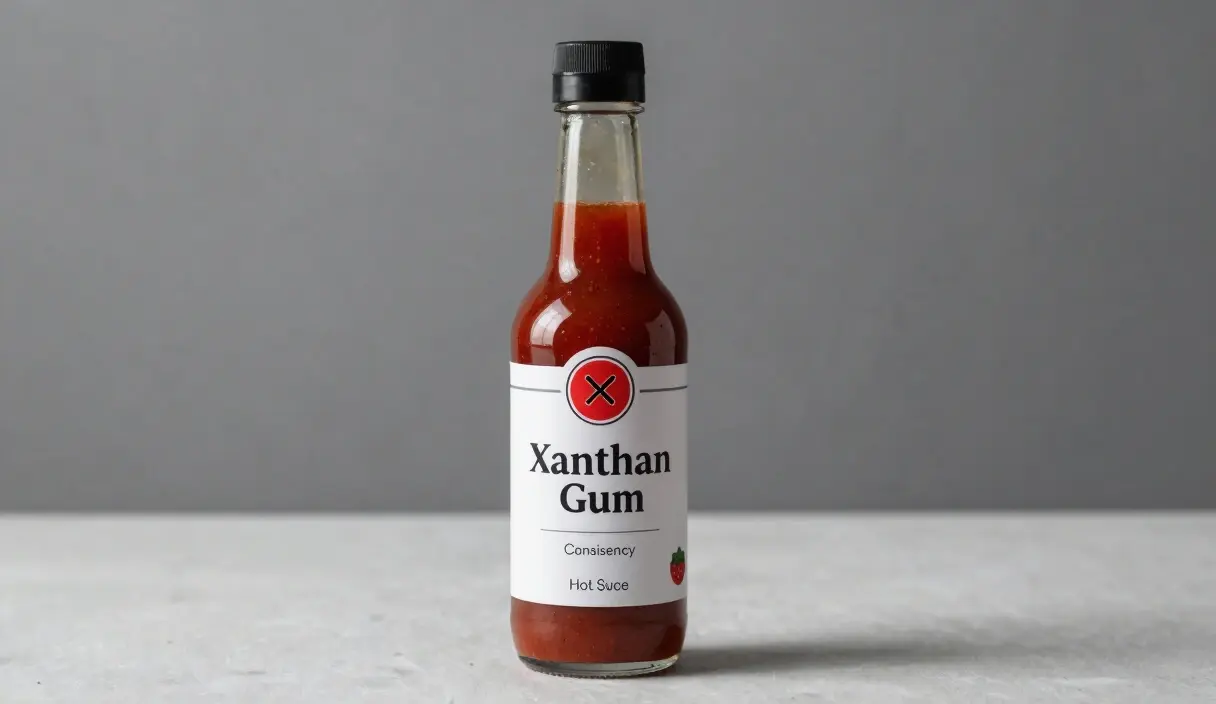
Why did your garlic turn blue? We explore the science of sulfur-acid reactions and how to ferment the perfect savory garlic cloves.

An investigation into the biological benefits of fermented foods. Learn about the microbiome and how 'live' food transforms your health.

Why does your hot sauce separate? We explore the science of emulsification and how to use xanthan gum for professional, stable results.

Found white spots in your jar? We provide a complete visual catalog to help you distinguish between harmless yeast, beneficial sediment, and dangerous mold.

Does fermentation make hot sauce hotter or milder? We explore the stability of capsaicin, pH impact on heat perception, and the Scoville scale.

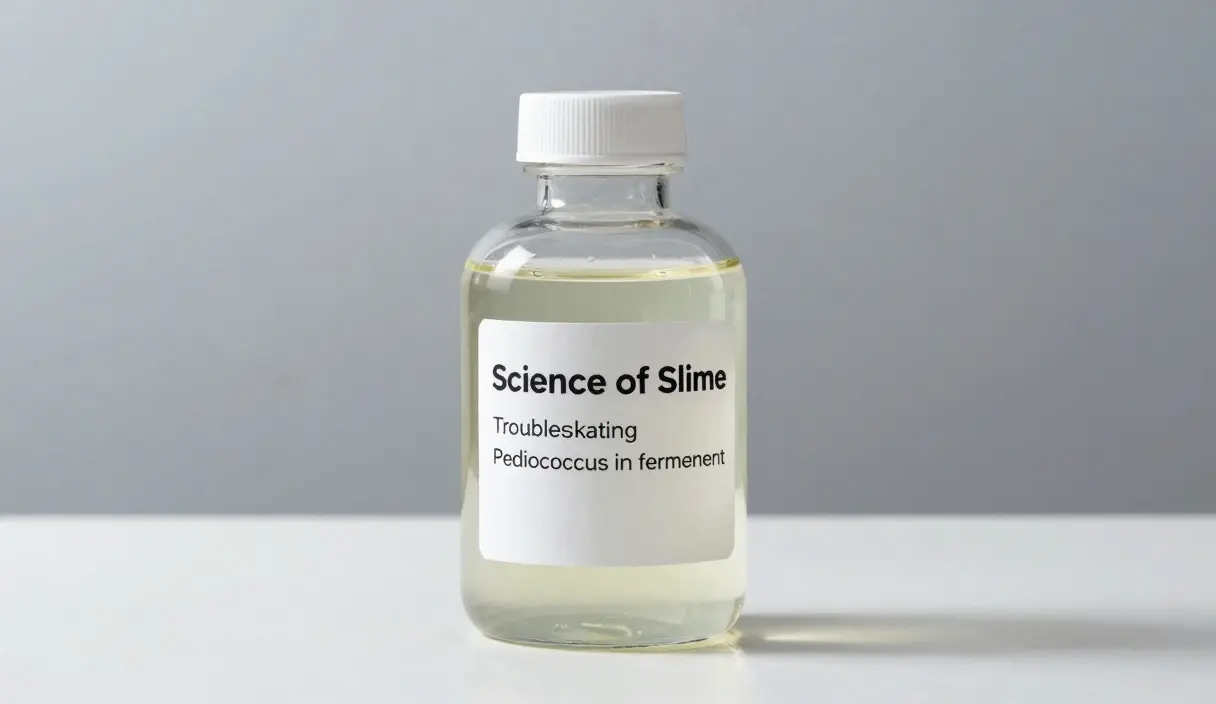
Is your sauerkraut brine thick and stringy? Learn about Pediococcus and how to fix slimy fermentation without throwing it away.

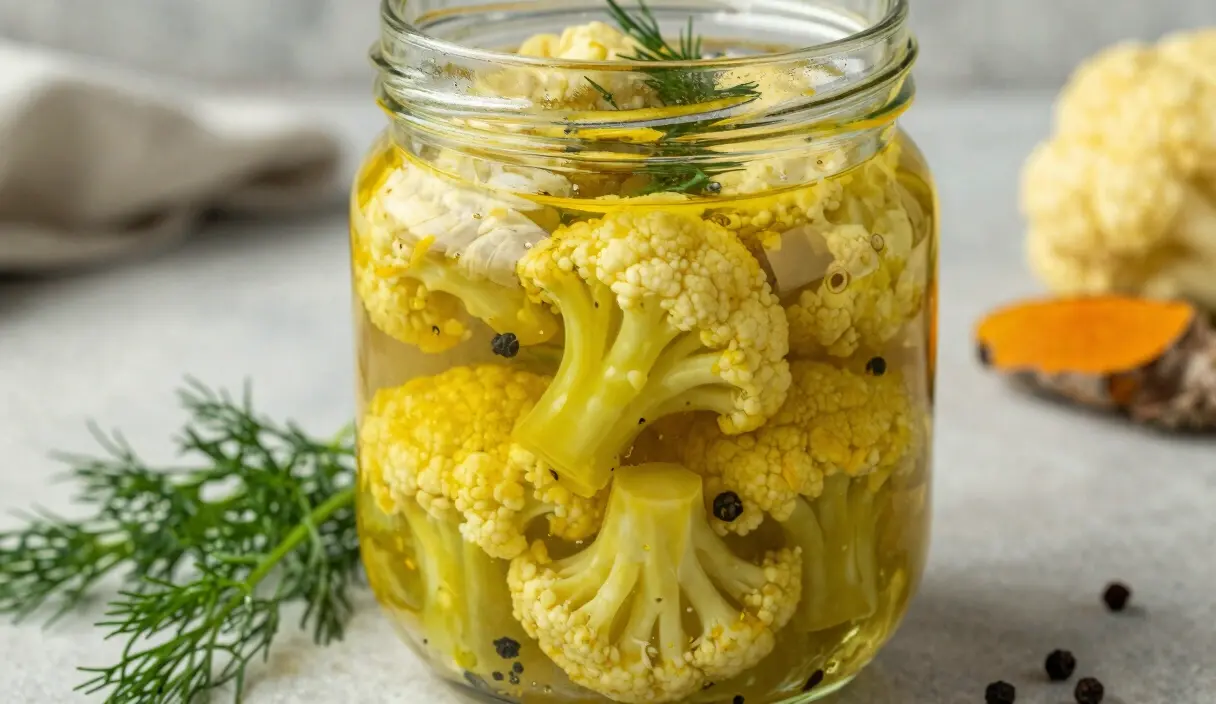
Fermented cauliflower is a probiotic delicacy but can have a pungent sulfur smell. Learn the professional techniques to control odor and maintain crunch.

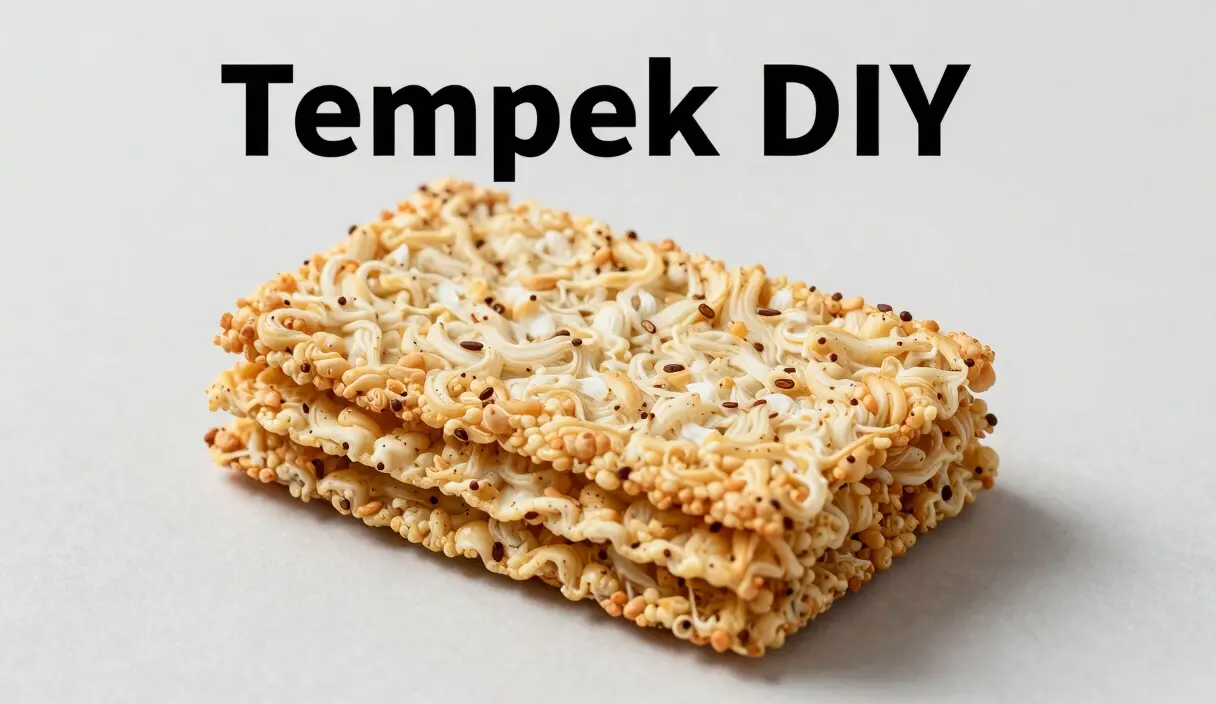
Learn how to make high-protein tempeh from scratch. We explore fungal biology, incubation technology, and the science of the white mycelium.