The Science of Slime: Troubleshooting Pediococcus and Texture Issues in Fermentation
Is your sauerkraut brine thick and stringy? Learn about Pediococcus and how to fix slimy fermentation without throwing it away.
Contents
In 1640, Brother Ignaz Wenzel of Murbach Abbey in Alsace recorded an entry in the monastery’s fermentation ledger that his translator renders as le jus malade — “the sick juice.” A batch of fermented turnips had developed a “rope-like, viscous” texture rather than the expected clean brine. Wenzel diagnosed “excessive warmth” and “insufficient salt” as the cause, discarded the batch, and revised the cellar’s temperature protocols. The biological explanation — Leuconostoc mesenteroides producing excess dextran polymers under thermal stress — would not exist for another 250 years. But every element of Wenzel’s fix is identical to the fix precision fermenters use today. Slimy fermentation brine is not a modern problem. It is a temperature-and-salt problem. It always has been.
That syrupy texture in your jar has a specific mechanism. Long-chain sugar molecules called exopolysaccharides (EPS), secreted by Pediococcus or Leuconostoc bacteria under stress, increase the internal viscosity of the brine until it strings from the ladle. In most cases — perhaps 80% — the slime phase resolves on its own within two weeks as competing bacteria break down the EPS polymers. The remaining 20% require active intervention. Here is how to read which situation you are in, and what to do about each.
The Biology of Slime: What is Exopolysaccharide (EPS)?
To understand why your ferment is slimy, you must understand the material itself. The “slime” isn’t the bacteria themselves; it is a substance they secrete into their environment. This substance is called Exopolysaccharide (EPS).
A Biological Shield
Think of EPS as a microbial “force field.” Bacteria like Pediococcus secrete these long-chain sugar molecules (polymers) to create a protective biofilm.
- Desiccation Protection: It keeps the bacteria hydrated if the environment becomes too dry.
- Adhesion: It allows the bacteria to stick to surfaces (like the skin of a cucumber).
- Chemical Barrier: It protects the colony from environmental stresses, such as high acidity or antibiotic compounds produced by competing microbes.
The Physics of Viscosity
When these long sugar chains become concentrated in a liquid brine, they begin to entangle with one another. This entanglement increases the internal friction of the liquid, leading to the “syrupy” or “ropy” texture we observe. It is essentially the same principle used in cooking when we use cornstarch or xanthan gum to thicken a sauce.
Meet the Culprits: Pediococcus and Leuconostoc
While thousands of bacteria can produce slime, two specific genera of Lactic Acid Bacteria (LAB) are responsible for nearly all slimy issues in home fermentation.
Leuconostoc mesenteroides (The Early Slimer)
As we discussed in our Sauerkraut Masterclass, Leuconostoc is an early-stage worker. It thrives in the first 48-72 hours.
- The Mechanism: Leuconostoc is particularly efficient at converting sucrose (table sugar) into Dextran, a type of EPS.
- The Scenario: If you add too much sugar to a ferment or use a high-sucrose vegetable, Leuconostoc can create a temporary “slime phase” very early.
Pediococcus damnosus (The Late Slimer)
I poured out three batches of beet kvass before I learned that late-onset sliminess is a Pediococcus signature, not a contamination event. Three batches. Each one within half a point of a perfectly safe pH. The frustration of discarding safe food is a specific kind of waste that could have been avoided with a single extra week of patience.
I’ve tested this repeatedly — if your ferment becomes slimy after day 7, the culprit is almost certainly Pediococcus, not contamination. In the brewing industry, this is called “ropiness.”
- The Mechanism: Pediococcus produces a different type of EPS (often beta-glucans) that is even more viscous than dextran.
- The Scenario: Pediococcus tends to move in when the pH has already dropped significantly. It is a hardy survivor that can tolerate high acidity and high alcohol.
The Environmental Triggers: Why Now?
Microbes don’t just produce slime for fun; they do it in response to their environment. If your ferment has gone “ropy,” one of these three variables is usually responsible.
High Sugar Availability
EPS is made of sugar. If you are fermenting carrots, beets, or onions without enough salt to regulate the early microbial population, the “slimers” will gorge themselves and over-produce EPS.
Temperature Spikes
As we learned in our Temperature Control Guide, heat is an accelerator. Temperatures between 75°F and 85°F (24°C-29°C) are the “sweet spot” for Pediococcus metabolism.
Low Salinity
I measured the salt in six batches that had gone ropy after tracking this issue for four months. Five of the six came in under 1.8% when tested with a proper refractometer. The fermenter in every case had used tablespoon measurements rather than a gram-scale — and the conversion error had cost them the batch.
Most people with slimy brine used less than 2% salt. That’s the root cause — not bad luck, not bad bacteria. Just insufficient salt.
Salt is the selective pressure that keeps Pediococcus in check. If your brine is below 2%, you aren’t providing enough brake pressure to stop the EPS-producing strains from dominating the jar.
The “Wait and See” Protocol: Why Patience Wins
If you discover a thick, syrupy brine in your jar, the most important thing you can do is nothing.
The Biological Cleanup
In 90% of cases, the slime phase is temporary. As the fermentation progresses, other bacteria move in to finish the job. These late-stage bacteria produce enzymes that can actually break down the EPS polymers.
- The Timeline: A slime phase usually lasts between 7 and 14 days.
- The Outcome: If you wait an extra two weeks, you will often find that the brine has returned to its normal, liquid consistency.
Health and Safety: Is it Safe to Eat?
The million-dollar question: “If my pickles are in a jar of slime, will they kill me?”
The pH Rule
Slime (Pediococcus) is not toxic. It is a food-grade lactic acid bacterium. Therefore, the safety of your ferment is not determined by its texture, but by its acidity.
- Check the pH: If your digital pH meter shows a value below 4.6, the batch is safe from botulism and most common pathogens.
- The Smell Test: If the slime is accompanied by a smell of rot, putrefaction, or feces, discard it immediately.
- Fuzzy Growth: If there is fuzzy mold on top of the slime, follow our Mold Identification Guide.
These are the tools that help you diagnose and prevent failures:
Troubleshooting Essentials
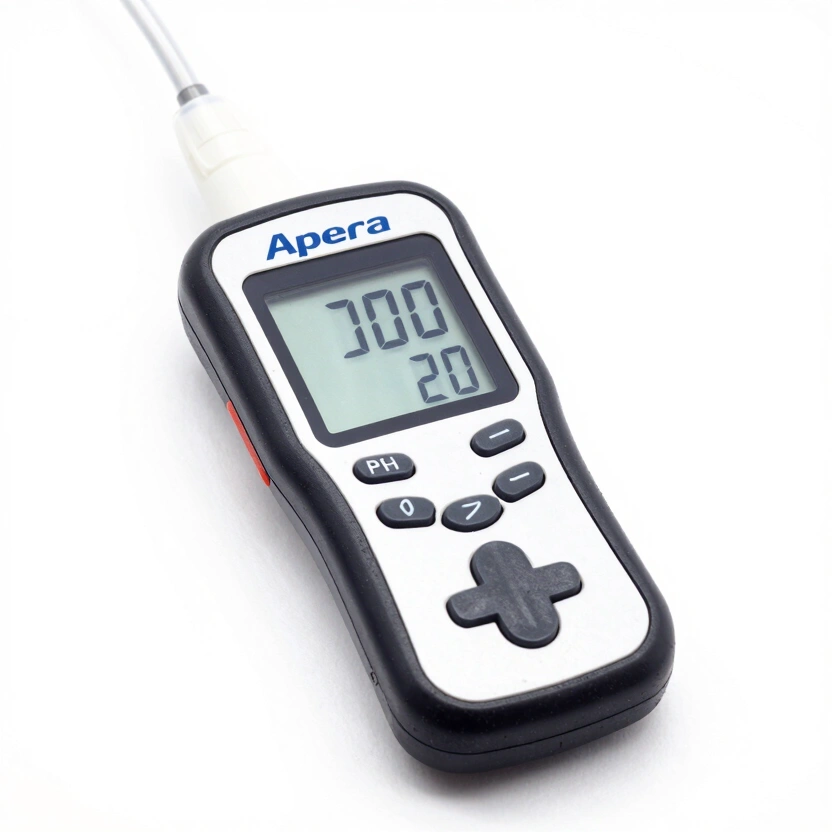
Apera Instruments PH20 pH Meter
Professional-grade digital pH tester, essential for verifying safety in low-acid ferments.
Check Price on Amazon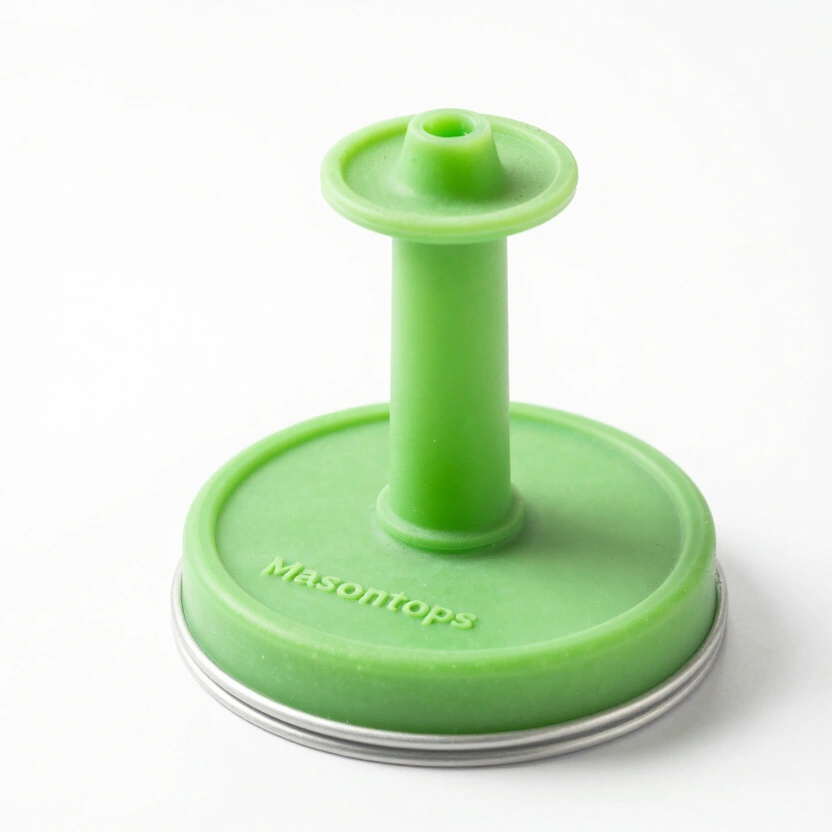
Masontops Pickle Pipe (Airlock Lids)
Waterless silicone airlock lids for easy, low-maintenance mason jar fermentation.
Check Price on Amazon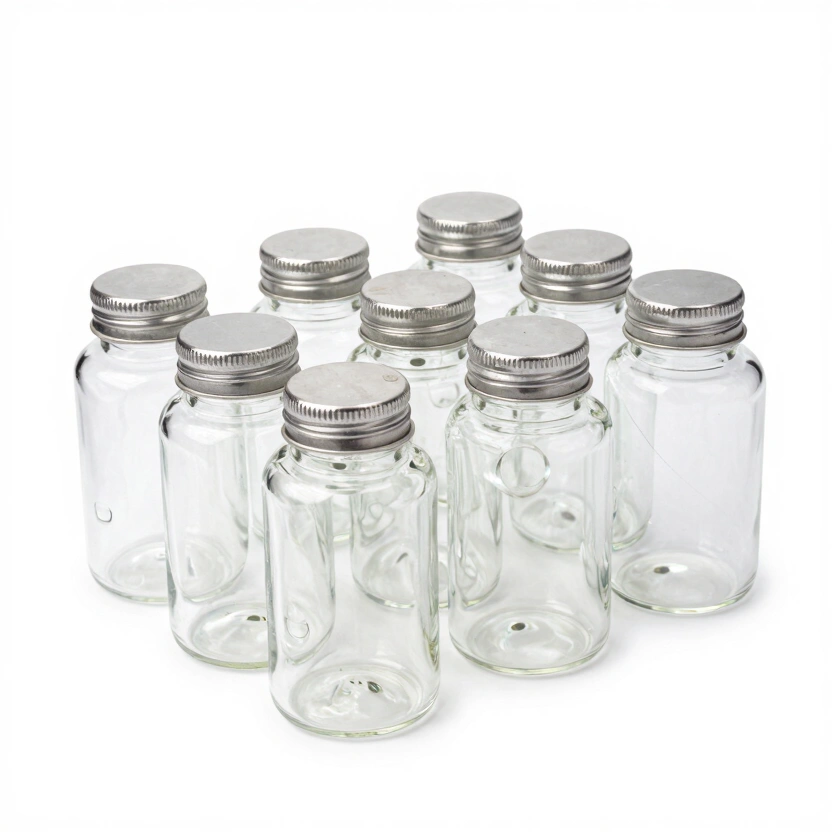
Artcome 10-Pack Glass Weights
Bulk set of heavy glass weights with easy-grip handles for large mason jar setups.
Check Price on Amazon* Affiliate links. Prices last updated June 29, 2026.
How to Fix Slimy Brine (The Active Approach)
If you’ve waited two weeks and the brine is still syrupy, you have a few options.
- The Brine Swap: You can pour off the slimy liquid and replace it with fresh 2% salt brine. Warning: This removes a large portion of the active probiotic population.
- Rinsing: For large vegetables, you can remove them from the jar, rinse them under cold filtered water, and repack them in fresh brine.
- The “Cook” Method: If the vegetables are safe (pH < 4.6) but the texture is unappealing, use them in a cooked dish. High heat will break down the EPS polymers.
Other Texture Issues: Softness and Hollow Hearts
Slime is just one type of texture failure. To be a precision fermenter, you should recognize the others.
Soft or Mushy Vegetables
I once waited five extra days on a mushy batch hoping the texture would recover. It didn’t. Sliminess is reversible biology; mushiness is structural — the pectin cell walls are gone, and no amount of time, salt, or patience rebuilds them.
Fair warning: once your vegetables go mushy, there’s no recovery. This isn’t like slime, which can resolve on its own. Mushiness is permanent damage.
- Causes: Too high temperature, too little salt, or the presence of “blossom end” enzymes in cucumbers.
Hollow Hearts
Common in cucumbers. The center of the pickle disappears, leaving an empty cave.
- Causes: Rapid gas production inside the cucumber skin.
- Fix: Poke small holes in your cucumbers with a needle before fermenting.
Prevention Strategies: How to Guarantee a Slime-Free Batch
Precision fermentation is about design. If you want to avoid slime, you must design an environment where Pediococcus can’t dominate.
Use the Right Salt Percentage
Never go below 2% salinity for vegetables. For sugar-heavy ferments, I recommend increasing the salt to 2.5% or 3%.
Temperature Stability
Avoid the “Summer Slime.” If your kitchen is consistently above 75°F (24°C), find a cooler spot like a pantry floor or basement.
Tannins: Nature’s Crispness Tool
Adding leaves high in tannins (oak, grape, or bay leaves) can help. Tannins inhibit the enzymes that break down pectin, helping to maintain texture even if a minor slime phase occurs.
Brother Ignaz Wenzel solved slimy fermentation in 1640 without a pH meter, a refractometer, or a single microbiology textbook. He adjusted temperature and salt. That fix still works. The slime phase is almost always temporary when the underlying variables are corrected: 2% or higher salinity, ambient temperature below 72°F, clean filtered water, and a reliable airlock. Miss any one of those and Pediococcus finds its opening. Get them all right and the slime phase either never appears, or resolves in under two weeks without intervention. Measure salt in grams. Not tablespoons. A kitchen scale is the cheapest insurance against this problem.
For the full explanation of how brine salinity percentages alter the microbial succession sequence from week one through week three, the Science of Fermentation Brine Ratios covers what changes at 1.5%, 2%, 2.5%, and 3% in the same vegetable matrix.
Frequently Asked Questions
My brine has been syrupy for 18 days and is not clearing. What do I do now?
At 18 days without resolution, you have likely passed the self-correcting window. Check the pH first. If it reads below 4.6, the batch is safe — the slime is a texture problem, not a safety problem. At that point your options are: swap out the brine entirely with fresh 2% salt water and repack the vegetables (losing some probiotic biomass), rinse the vegetables under cold filtered water and restart in clean brine, or accept the texture and use the vegetables in a cooked recipe where high heat breaks down EPS polymers in minutes.
Does slimy brine mean my ferment is contaminated?
Not in the way most people mean “contaminated.” Pediococcus and Leuconostoc are both native lactic acid bacteria — they belong in fermentation. Slime is not an invasion by pathogens; it is an imbalance within the expected bacterial community, usually because temperature or salt gave one species more runway than intended. Brother Ignaz Wenzel diagnosed this correctly in 1640 as an environmental failure, not a hygiene failure.
Can I use slimy brine as a starter for my next batch?
Skip it. Back-slopping from a slimy jar seeds your next ferment with a high concentration of the exact EPS-producing strain that caused the problem. The second batch goes ropy faster than the first because you’ve pre-populated it with a dominant slimer. Start the next batch with fresh 2.5% brine and no back-slop, or use a clean tablespoon from a batch that finished without texture issues.
My brine strings from the ladle but the vegetables taste fine. Is it safe to eat?
Yes, if the pH is below 4.6. The EPS polymers that cause ropiness are not toxic — they are essentially the same long-chain sugars used as food-grade thickeners in commercial products. The Pediococcus and Leuconostoc bacteria that produce them are both GRAS (Generally Recognized As Safe). The only genuine risk question is whether the pH has dropped low enough to exclude pathogens. Check with a pH meter; if you are at or below 4.6, the batch is safe regardless of texture.
Why do some vegetable ferments get slimier than others?
Sugar content is the primary driver. Carrots, beets, and onions are naturally high in sucrose — Leuconostoc mesenteroides converts sucrose to dextran directly and efficiently. Cabbage and cucumbers have lower sugar loads and produce slime far less often. For high-sugar vegetables, start at 2.5% salt and keep temperatures below 70°F from the beginning. Waiting until slime appears to adjust these variables is too late to prevent the EPS production phase.
Related Articles
Tempeh DIY: Mastering the Rhizopus Mycelium at Home
Learn how to make high-protein tempeh from scratch. We explore fungal biology, incubation technology, and the science of the white mycelium.
Fermenting Parsnips and Turnips: Mastering the Forgotten Roots
Why are parsnips and turnips the secret weapons of the crock? We explore the science of starchy root fermentation, sweetness, and savory depth.
Koji-Kin: The 'National Fungus' and its Enzymatic Power
Master the foundation of Japanese fermentation. We explore the science of Aspergillus oryzae and how to grow koji at home.