Lacto-Fermented Tomatoes: The Ultimate Guide to 'Umami Bombs'
Turn your tomatoes into probiotic flavor bombs. Learn the technical techniques for lacto-fermenting tomatoes, maintaining texture, and unlocking intense umami.
Contents
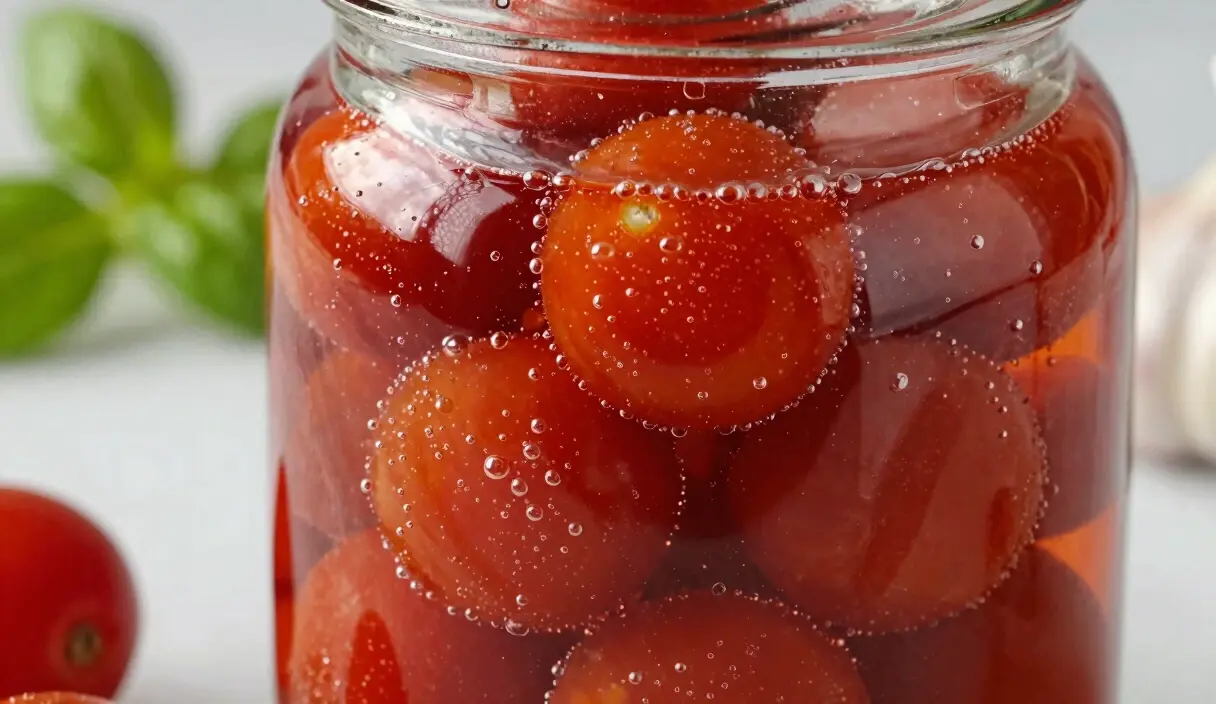
Picture this: a pint-size Mason jar on a kitchen counter, cloudy brine bubbling slightly, a handful of cherry tomatoes suspended in 2.5% salt solution with a bay leaf and four smashed garlic cloves. Day three. You press a thumb against the lid and feel the faint resistance of CO2 pressure. That jar is alive. In 48 hours, those tomatoes will pop with carbonation when you bite into them and taste like concentrated summer run through an acid filter.
Lacto-fermented tomatoes are one of the most technically rewarding vegetable ferments you can attempt. Tomatoes are already loaded with glutamates — the amino acids behind deep, savory flavor — and fermentation breaks down complex proteins into even simpler savory compounds, amplifying that quality dramatically. This guide covers variety selection, the texture-protection techniques that prevent mushy results, and the 3-5 day timeline that separates a sparkling probiotic snack from an overfermented mess.
Selection: The Best Varieties for the Funk
Not all tomatoes react to the “funk” in the same way. Your choice of variety will dictate the final texture and use case.
1. Cherry Tomatoes (The Sparkling Snack)
These are the gold standard for beginners. Their thick skins hold up well to fermentation, and the high sugar content fuels a very active, bubbly ferment.
- The Experience: When fermented whole, they become slightly carbonated on the inside. Biting into one feels like a tiny explosion of savory soda.
2. Roma & San Marzano (The Sauce Base)
If your goal is to make fermented tomato sauce or paste, choose these meaty, low-moisture varieties. They provide a dense pulp that concentrates the umami flavors beautifully.
3. Green (Unripe) Tomatoes
Fermenting green tomatoes is a classic Southern and Eastern European tradition. They are firm, tart, and almost apple-like in texture, making them the best choice if you want a ferment that stays crunchy for months.
The Texture Challenge: Avoiding the Mush
The biggest technical hurdle with tomatoes is their high enzyme content, specifically pectinase. These enzymes start breaking down the fruit’s structure almost as soon as the fermentation begins. If you aren’t careful, you’ll end up with tomato soup rather than whole fermented fruit.
Most guides skip this part entirely and wonder why their fermented tomatoes turn to mush by day four. The fix is simple but requires two specific additions.
Contrarian point worth making: the softness problem is mostly a variety problem, not a technique problem. Cherry tomatoes with thick skins hold through day five with minimal intervention. A thin-skinned heirloom will fall apart regardless of how many bay leaves you add. Start with the right tomato, then layer in the chemistry.
To keep your tomatoes from getting mushy, use these two professional tricks:
- The Tannin Shield: Add a source of tannins to your jar. A few bay leaves, grape leaves, or even a teaspoon of loose-leaf black tea will inhibit the enzymes and protect the pectin.
- Calcium Chloride: If you want a commercial-grade crunch, add a pinch of food-grade Calcium Chloride (“Pickle Crisp”) to your brine. This reinforces the cell walls of the tomato.
Step-by-Step: The Fermentation Cycle
1. Preparation: The “Piercing” Technique
If you are fermenting whole cherry tomatoes, do not peel them. Instead, use a sanitized toothpick or a fork to prick a small hole in each tomato. This allows the brine and the bacteria to penetrate the skin without the fruit bursting.
2. The Brine (Salinity Matters)
Tomatoes are prone to surface yeast. I recommend a 2.5% to 3.0% salinity (30g salt per 1 liter of water). This higher salt concentration provides a robust safety margin against mold while the acid builds up.
3. The Aromatics
Tomatoes pair beautifully with Mediterranean flavors. Pack your jar with:
- Fresh basil leaves
- Smashed garlic cloves
- Black peppercorns
- Red pepper flakes (for a “Spicy Bomb”)
4. The Timeline
Tomatoes ferment incredibly fast because of their high sugar content. At room temperature (20-22°C), they usually reach peak flavor in just 3 to 5 days. Watch for active bubbling and a slightly cloudy brine. Once they taste pleasantly tart and “fizzy,” move them to the refrigerator.
Day 5 is not a deadline — it’s a cliff. Taste from Day 3. The window between peak and overfermented is narrow, especially above 72°F. A tomato that was perfect at Day 4 can be mushy and bitter by Day 6. Refrigerate the moment the balance tips toward pleasantly sour. Trust the taste, not the calendar.
Equipment: Managing the Pressure
I’ve had a lid blow off a burped jar at day two — it happens fast with cherry tomatoes in a warm kitchen. Use an airlock system if you can, especially if you won’t be home to monitor it.
Because tomatoes are so active, they produce a significant amount of CO2. If you are using a standard Mason jar with a solid lid, you must “burp” the jar at least twice a day to prevent a “tomato geyser.”
Warning: this is not theoretical. The sugar content in cherry tomatoes drives CO2 production at a rate that will pressurize a sealed quart jar within 18 hours at 72°F. A jar that hasn’t been burped since yesterday morning will spray brine across your ceiling when opened. Place the jar in a bowl before you crack the lid on Day 2.
Top-Rated Fermentation Jar Sets
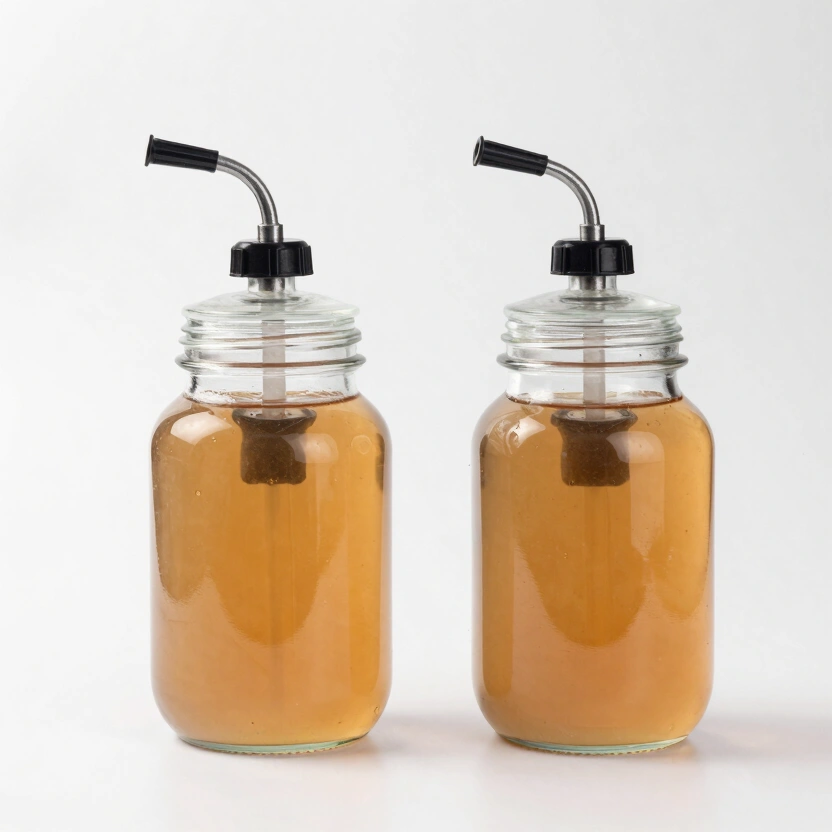
Green Wise Fermentation Jar Set (2 Pack)
Large 1.4L jars with integrated airlock valves. Perfect for sauerkraut, kimchi, or tomatoes.
Check Price on Amazon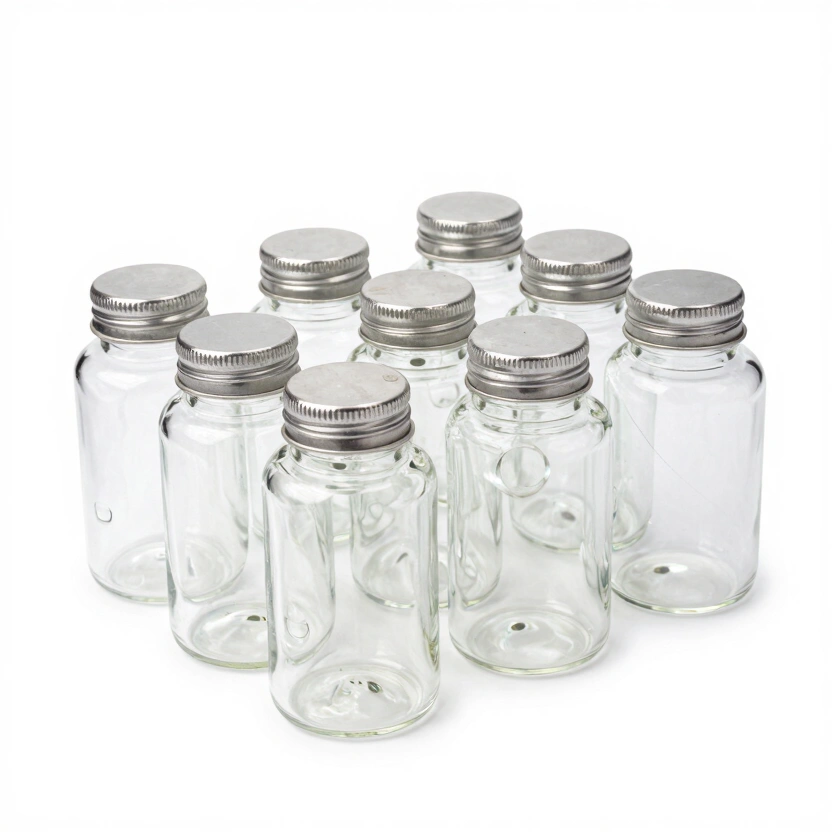
Artcome 10-Pack Glass Weights
Bulk set of heavy glass weights with easy-grip handles for large mason jar setups.
Check Price on Amazon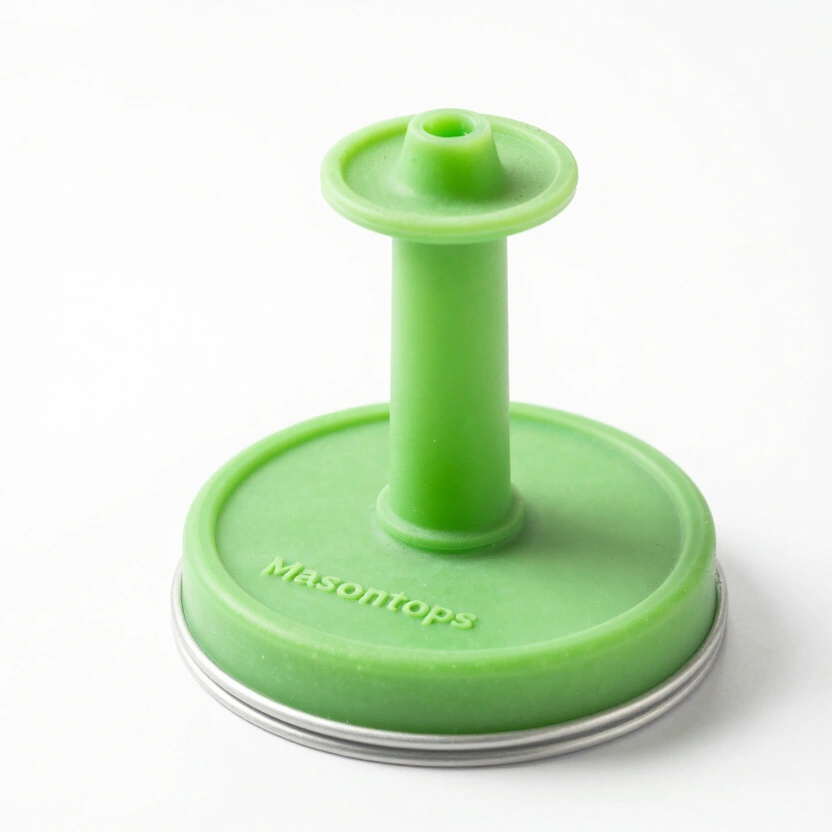
Masontops Pickle Pipe (Airlock Lids)
Waterless silicone airlock lids for easy, low-maintenance mason jar fermentation.
Check Price on Amazon* Affiliate links. Prices last updated March 3, 2026.
For the best results, use an airlock system. This allows the gases to escape continuously while ensuring no oxygen can enter, which is the key to preventing white “Kahm yeast” from forming on the surface.
Culinary Applications: Beyond the Jar
- The Probiotic Marinara: Blend your fermented Roma tomatoes with fresh garlic and olive oil. Do not cook the sauce; use it raw over hot pasta to preserve all the beneficial probiotics.
- The Umami Drizzle: Use the leftover tomato brine as a base for a vinaigrette or as a secret ingredient in a Bloody Mary. It’s like liquid MSG, but natural and healthy.
- The Smeared Tomato: Mash a fermented tomato onto toasted sourdough with a drizzle of high-quality olive oil for the ultimate breakfast.
The brine is arguably more useful than the tomatoes themselves. By Day 5 it’s loaded with glutamates, lactic acid, and live Lactobacillus. Pour it into an ice cube tray and freeze it. Those cubes go into soups, rice water, or the next batch of tomatoes as a starter culture that cuts fermentation time to 48 hours.
The gap between a raw cherry tomato and a properly fermented one is genuinely startling. Not just tarter — carbonated from within, glutamates intensified, skin holding just enough structure to give way with a pop. It takes three days of mostly waiting to get there. The waiting is the work. Pick the right variety, use the right brine percentage, watch the Day 3-5 window closely, and refrigerate before the cliff.
That jar on the counter is doing the complicated part. You just have to catch it at the right moment.
For the vessels that handle tomato CO2 pressure safely without blowing lids, the best fermentation jars reviews Fido-style bail-top and Weck options rated for the active, fast ferments that cherry tomatoes produce.
Texture protection doesn’t stop at tomatoes — the Keeping Fermented Pickles Crunchy guide covers the full science of tannins and calcium across all vegetable ferments.
Frequently Asked Questions
How do I know when cherry tomatoes have hit peak fermentation?
Taste from Day 3 rather than waiting for a fixed endpoint. You’re looking for three things simultaneously: a pleasant tartness without vinegar bite, carbonation when you bite through the skin, and no remaining raw tomato sweetness. If all three are there, move the jar to the refrigerator immediately. The window is short — a tomato that’s perfect on Day 4 evening can be overfermented and soft by the next morning if your kitchen is above 72°F.
The carbonation inside the tomatoes — is that normal and safe?
That’s exactly the target. The CO2 is produced by Lactobacillus inside the fruit — the whole reason you prick the skins before fermenting is to let brine penetrate so the bacteria can work inside the tomato, not just on its surface. Fizzy, tart, savory, and slightly explosive when bitten is the full design. It’s completely safe.
There’s a white film on the brine surface. Is my batch ruined?
Almost certainly not. Flat, powdery, white film is Kahm yeast — skim it off completely, check that every tomato is fully submerged, and move the jar somewhere cooler. It’s harmless in small amounts but turns bitter if left for days. Raised, fuzzy, colored patches are a different matter. The Kahm Yeast vs. Mold guide has the identification details.
Can I ferment large beefsteak or heirloom tomatoes whole?
Not recommended. Large tomatoes take far longer for brine to penetrate, acidification is uneven, and the high water content of most heirloom varieties makes them collapse before the inside properly ferments. If you want to use heirlooms, quarter them and ferment as chunks at 2.5% brine with a close eye on texture. Three days maximum.
Why does iodized salt produce a failed ferment?
Iodine is an antimicrobial. It was added to table salt specifically to kill bacteria — which is exactly what your Lactobacillus is. A 2.5% brine made with standard iodized table salt will either ferment sluggishly, inconsistently, or not at all. Use sea salt, kosher salt, or any non-iodized option. The Best Salt for Fermentation guide covers every variety with cost comparisons.
Related Articles

Microbial Architects: The Molecular Science of Probiotics and Gut Health
An investigation into the biological benefits of fermented foods. Learn about the microbiome and how 'live' food transforms your health.
Black Garlic Masterclass: Mastering the 60-Day Transformation
Master the science of Black Garlic. Learn the Maillard reaction and how to age garlic for 60 days to achieve that perfect balsamic-umami flavor.
Continuous Brew Kombucha: The Expert Guide to Scaling Your Probiotics
Stop cleaning jars every week! We explore the efficiency, safety, and science of the continuous brew kombucha system.