Miso Making at Home: A 6-Month Microbiological Journey
Master the ancient Japanese art of miso. We cover the science of enzymes, the importance of Koji, and how to age your miso for maximum umami.
Contents
Miso takes longer than any other ferment on this list — 6 months minimum for white miso, 18 months for the dark red varieties. That timeline scares most people away. It shouldn’t. The active work takes about 2 hours total. The rest is just time and a cool corner of your basement.
Aspergillus oryzae on the koji does the heavy lifting: cleaving soybean proteins into glutamic acid at a rate no factory can rush. Pack your first batch, seal it under a weight, and the biology takes over entirely. This guide covers the koji science, the salt ratios, and the aging curve that separates flat paste from a genuine umami bomb.
The Philosophy of Patience: Why Make Miso?
Making miso is a commitment to time. In Japan, miso was traditionally made in the winter, a seasonal ritual that provided a family with a year’s supply of protein and probiotics.
The Umami Spectrum
Homemade miso, aged naturally through the four seasons, undergoes a series of complex chemical transformations. Lactic acid bacteria, wild yeasts, and koji enzymes work in harmony to create hundreds of aromatic compounds.
A Biological Inheritance
By making miso at home, you are stepping into a lineage of makers that stretches back over a thousand years. You are not just making a condiment; you are cultivating a living heritage.
The Holy Trinity: Essential Ingredients
Miso requires only three main ingredients, but their quality is non-negotiable.
1. Soybeans (The Foundation)
Look for non-GMO, organic soybeans. Freshness matters; old beans take much longer to cook. You can also use chickpeas or adzuki beans for a unique twist.
2. Koji (The Catalyst)
Koji is steamed rice inoculated with Aspergillus oryzae spores. It is the enzyme factory that breaks down the proteins and starches.
3. Salt (The Guardian)
Salt prevents spoilage while allowing salt-tolerant enzymes to work. Shiro Miso (White) uses less salt; Aka Miso (Red) uses more for long-term aging.
Enzyme Science: Protease and Amylase
To understand miso, you must understand what Koji is actually doing.
- Protease: Cleaves soybean proteins into Amino Acids, notably Glutamic Acid—the source of “Umami.”
- Amylase: Breaks down starches into Simple Sugars, fueling secondary fermentation.
The Master Protocol: Step-by-Step Miso
Stage 1: Preparation
- Soak: Soak 500g of soybeans for 12-18 hours.
- Boil: Cook until they squish easily between your fingers (3-4 hours).
- Cool: Let them reach room temperature (below 100°F) to avoid killing the enzymes.
Most guides tell you to cook beans until “soft.” That’s vague. You want them to crush between your thumb and forefinger with zero resistance — any residual firmness means the protease enzymes will struggle for months. Be patient with the boil.
I opened my first batch at Month 1 by accident — knocked the weight off, let air in, and spent the next three weeks convinced I’d ruined six months of work. The Kahm yeast that appeared was ugly but harmless. I skimmed it, re-salted the surface, and kept going. That batch became my best miso. Mistakes here are almost always recoverable.
Stage 2: The Mash
- Crush: Mince the beans into a paste using a food processor or mallet.
- Mix: Combine with 500g Rice Koji and 120g sea salt.
- Adjust: Add a few tablespoons of reserved cooking liquid if the paste is too dry.
Stage 3: The Ball Technique
To prevent air pockets, form the mash into balls and throw them with force into your sanitized jar. Pack each layer down firmly with your fist.
Packing and Weighting: The Anaerobic Seal
Miso is an anaerobic ferment.
- Salt the Top: Sprinkle a thin layer of salt over the surface.
- Seal: Press food-grade plastic wrap or a large cabbage leaf directly onto the paste.
- Weight: Place a heavy weight (2-3 lbs) on top to force the “Tamari” juice to the surface, creating a mold-proof seal.
These are the tools that ensure a successful multi-month fermentation:
Top Miso Making Gear
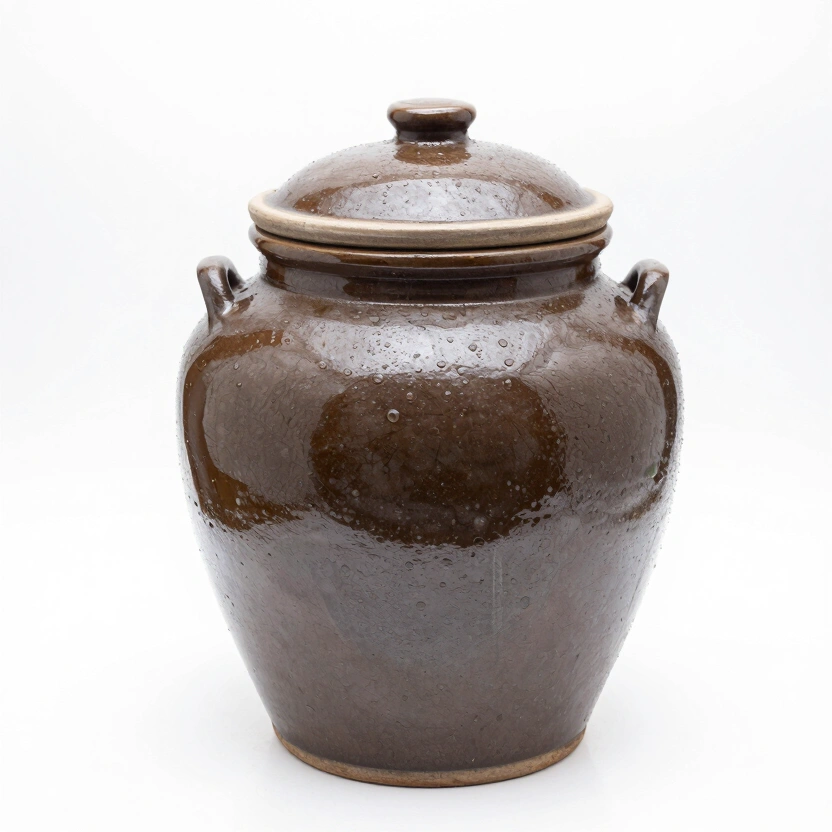
Traditional Ceramic Fermentation Crock
Classic water-seal stoneware crock for large-scale kraut, kimchi, and miso batches.
Check Price on Amazon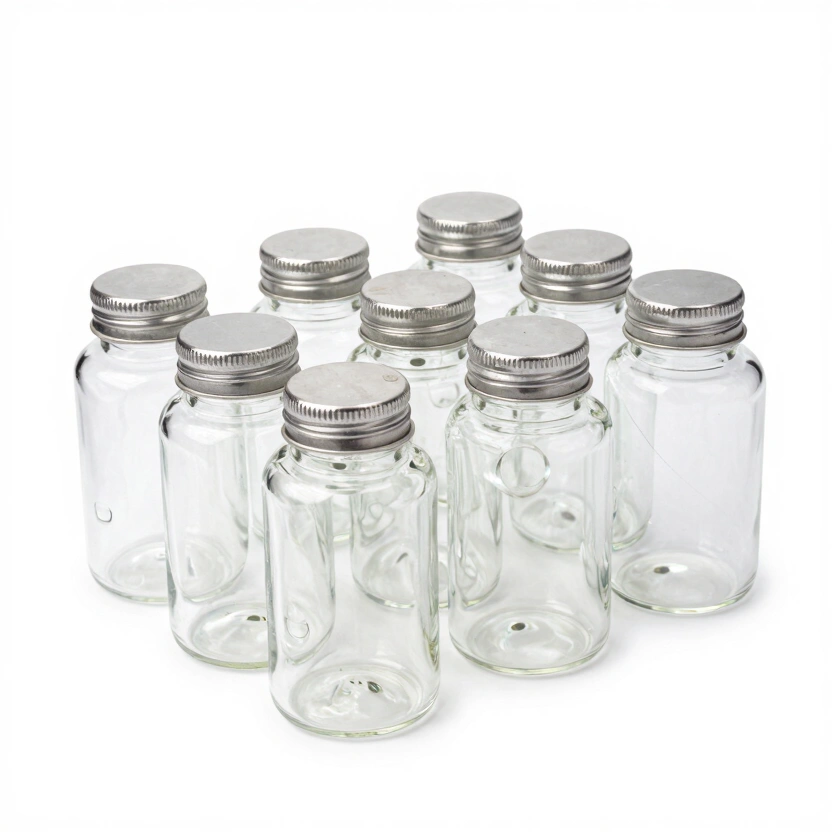
Artcome 10-Pack Glass Weights
Bulk set of heavy glass weights with easy-grip handles for large mason jar setups.
Check Price on Amazon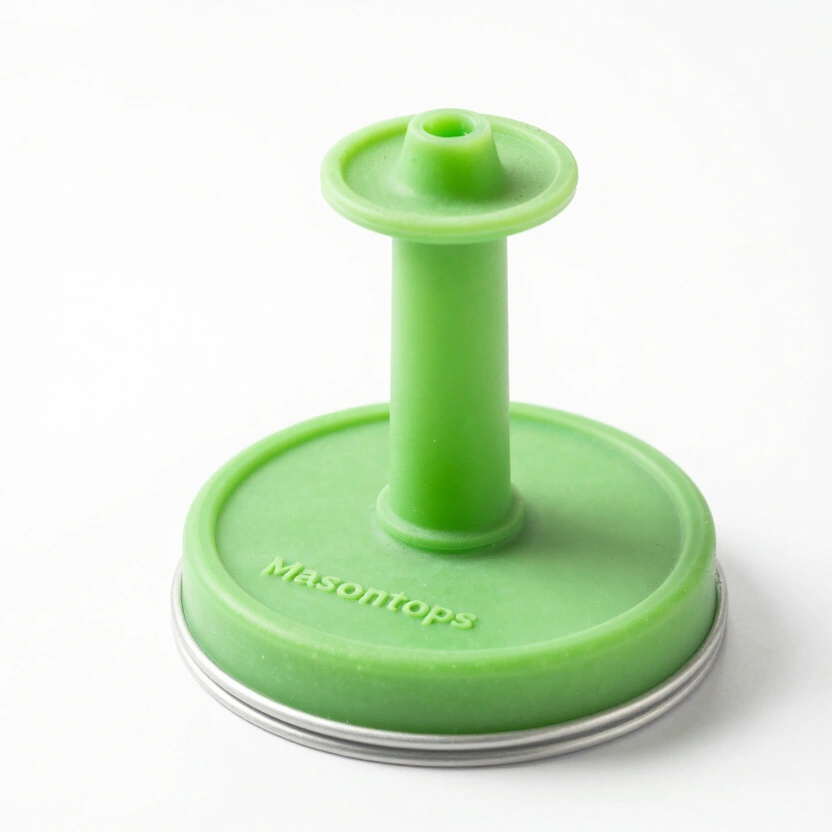
Masontops Pickle Pipe (Airlock Lids)
Waterless silicone airlock lids for easy, low-maintenance mason jar fermentation.
Check Price on Amazon* Affiliate links. Prices last updated March 3, 2026.
The Aging Curve: 3 Months to 2 Years
The Tamari seal is counterintuitive — most people want to crack the jar open and check constantly. Don’t. Each disturbance introduces oxygen. Your only job from Day 1 to Month 3 is to leave it alone.
Month 2. Nothing visible. You resist the urge to open it. You should. That jar is doing more complex chemistry right now than anything you can consciously manage — the bacteria and enzymes are running their own program entirely.
- 3 Months (Shiro): Light, sweet, and floral. Perfect for dressings.
- 6 Months (Yellow): Savory depth begins. The all-purpose choice.
- 12+ Months (Aka): Deep brown or black. Intense umami for stews.
Shiro vs. Aka: Choosing Your Style
| Feature | Shiro Miso | Aka Miso |
|---|---|---|
| Koji Ratio | High (2:1) | Low (1:1) |
| Salt Content | 5-8% | 12-14% |
| Time | 3 - 6 months | 1 - 2 years |
Troubleshooting: Managing the Miso Jar
- White “Mold” on Top: Likely Kahm Yeast. Skim it off, wipe the rim with vinegar, and re-salt.
- Tamari Drying Up: Your weight is too light. Add more weight to force liquid to the surface.
- Acidic Smell: Lactic acid bacteria are too dominant. Likely due to low salt or high heat.
A finished Aka Miso — twelve-plus months aged, deeply dark, with amber Tamari pooled on the surface — is one of the most complex foods you can produce in a home kitchen. No store-bought paste touches it. The active work is two hours. The chemistry does the rest. Pack your first batch this week and come back to it in November.
Choosing the right vessel is the most consequential gear decision for a multi-month ferment — the best fermentation jars reviews the wide-mouth crocks and airtight glass containers that create the anaerobic seal miso requires.
Want to understand the full microbial picture? The Science of Probiotics and Gut Health explains what the Lactobacillus strains in your miso jar are doing for your microbiome during that long aging process.
Frequently Asked Questions
Can I make miso without soybeans?
Chickpea miso is the best alternative — sweet, nutty, and ready in as little as 3 months. Adzuki beans give a darker, earthier paste closer to Aka in character. The koji ratios and salt percentages remain the same regardless of the legume. The soybeans are traditional, not mandatory.
Is the liquid on top of my miso jar safe — should I drain it?
That liquid is Tamari, essentially high-quality raw soy sauce. Don’t drain it. Pour it back into the paste when you open the jar, stir briefly, and re-seal. If the Tamari disappears entirely, your weight isn’t heavy enough — add another pound or two to force more juice to the surface and maintain the anaerobic seal.
Does miso need refrigeration during the aging process?
No. Aging happens at room temperature, ideally 18-24°C. A cool cellar or consistent cupboard is the right environment. Refrigerate only when you’ve decided to stop the fermentation — cold halts enzymatic activity and locks the flavor exactly where it is. Moving it in and out of the refrigerator during aging is the one thing you should avoid.
Can I speed up the miso aging process?
You can ferment at higher temperatures to accelerate, but the flavor suffers. Rushed miso is one-dimensional and often overly salty with none of the aromatic depth that makes aged miso worth making. If speed matters, make Shiro Miso at the standard ratio and pull it at 3 months. That’s the legitimate fast track — not heat.
My miso jar smells strongly acidic after two months. What happened?
Lactic acid bacteria became too dominant, outpacing the koji enzymes. Two common causes: salt percentage below 10% for Aka style, or summer heat pushing temperatures above 27°C. Stir the paste, add a small amount of extra salt to the surface, re-seal, and move the jar somewhere cooler. The batch is almost certainly recoverable — a strong sour smell at Month 2 is a warning, not a failure.
Related Articles
The Salinity Spectrum: Determining the Perfect Salt Ratio for Every Vegetable
Is iodized salt really bad for fermentation? We explore the chemistry of salt, mineral trace elements, and precise salinity ratios for safety.

Sugar Types in Fermentation: Brown, White, or Honey?
Which sugar is best for your SCOBY or your yeast? We explore the science of carbohydrates and metabolic efficiency in fermentation.
The Science of Slime: Troubleshooting Pediococcus and Texture Issues in Fermentation
Is your sauerkraut brine thick and stringy? Learn about Pediococcus and how to fix slimy fermentation without throwing it away.