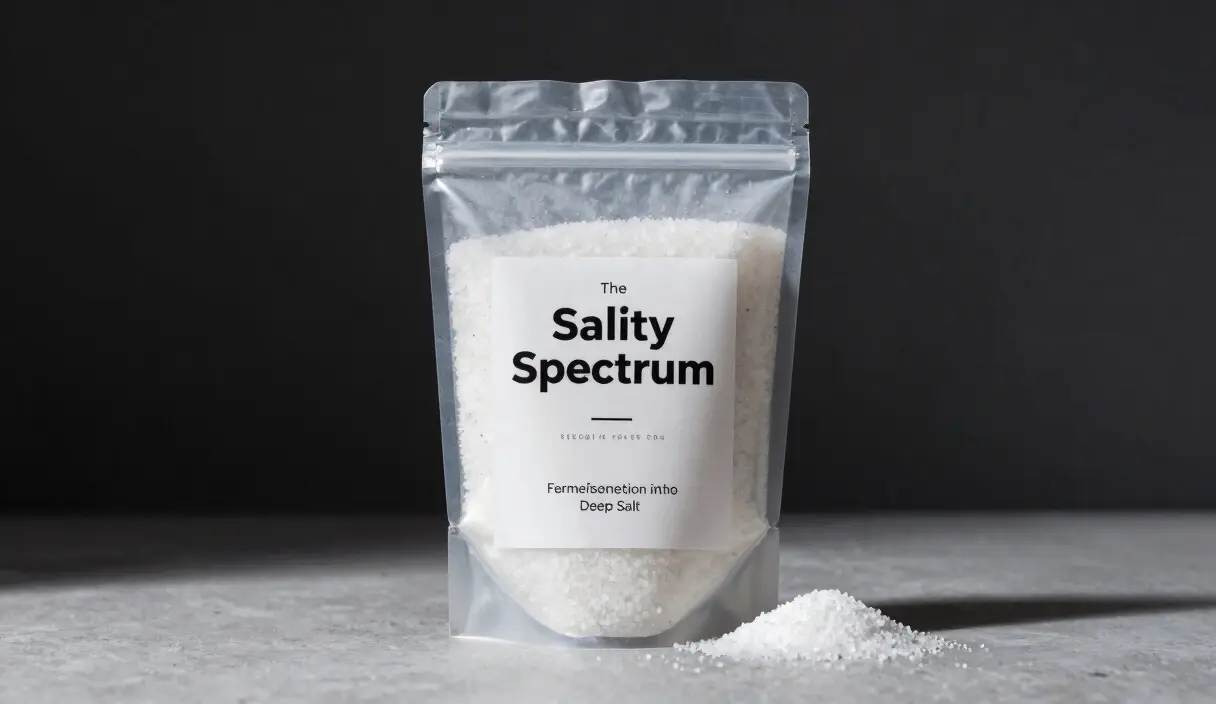
The Salinity Spectrum: Determining the Perfect Salt Ratio for Every Vegetable
Is iodized salt really bad for fermentation? We explore the chemistry of salt, mineral trace elements, and precise salinity ratios for safety.
Contents
In the 2nd century BC, Roman soldiers received a salarium — a salt allowance paid as part of their wages — because salt was, in some regions, more valuable than gold by weight. The Latin sal is the direct root of “salary.” The Roman salinae officers who managed the enormous evaporation pans at Ostia weren’t just revenue collectors; they were military logistics officers. Roman physicians had established empirically that salt-preserved food was the only reliable way to sustain an army of 50,000 men on 6-month campaigns without dysentery. The salinity percentages they used for garum (preserved fish) and muria (preserved vegetables) map almost exactly onto what modern food science specifies for safe lacto-fermentation. The best salt for fermentation was a solved problem before the Roman Empire fell.
What those salinae officers understood — and what took food science another millennium to formally explain — is that salt concentration and purity determine whether a fermentation jar becomes a haven for Lactobacillus or a breeding ground for pathogens. Not approximately. Precisely. The wrong salt doesn’t just taste off. It rewrites the biology of your ferment, suppressing the organisms you need while leaving room for the ones that make you sick.
The Chemistry of Salt: NaCl and Beyond
At its core, salt is Sodium Chloride (NaCl). In fermentation, salt performs a process called Osmosis. Because the concentration of salt is higher in the brine than inside the vegetable cells, the salt draws the water out of the cells. This creates the brine and makes the vegetable crisp by hardening the pectin.
The Microbial Bouncer
Salt acts as a selective antimicrobial agent. Most pathogenic bacteria (the ones that cause rot and food poisoning) cannot survive in a 2% or higher salt environment. Lactic Acid Bacteria (LAB) have evolved to be salt-tolerant. Salt gives your “good” bacteria a competitive advantage, allowing them to take over the jar before the “bad” guys can multiply.
The Great Iodine Debate: Fact vs. Myth
If you’ve spent any time in fermentation forums, you’ve seen the warning: “Never use iodized salt!” But why?
The Theory
Iodine was added to table salt in the 1920s to prevent goiters. Because iodine is a known antimicrobial agent, the theory is that it will kill the beneficial bacteria in your ferment, leading to a failed batch.
The Reality
Scientific studies on home fermentation have shown that the small amount of potassium iodide in table salt is rarely enough to wipe out an established Lactobacillus colony. Iodine does have side effects:
Most guides treat iodized salt as a categorical killer. The actual science says iodine’s antimicrobial effect at table-salt concentrations is marginal — but the discoloration and off-flavor are real and reliably reproducible. The reason to avoid iodized salt isn’t fear of failure. It’s that the results are visually ugly and the fix costs nothing.
- Discoloration: Iodine can cause your vegetables to turn a dull grey or brown color.
- Cloudiness: It often reacts with other minerals in the water, creating a murky, unappetizing brine.
- Metallic Taste: In delicate ferments, the metallic tang of iodine can be perceptible.
Verdict: Iodized salt probably won’t murder your ferment. But the color, clarity, and taste will suffer. Use pure, non-iodized salt. No exceptions.
Anti-Caking Agents: The Hidden Saboteur
There is an ingredient in table salt that is far more dangerous to your ferment than iodine: Anti-caking agents (like Yellow Prussiate of Soda).
These chemicals are added to prevent salt from clumping. In a fermentation jar, these agents can:
- Inhibit Bacteria: Some research suggests they can slow down the acidification curve.
- Turn Brine Blue/Green: Certain anti-caking agents react with the acids produced by the bacteria, leading to alarming color changes in the brine.
Always look for a label that says “Ingredients: Salt.” Nothing else.
Comparing Salt Types: Which One is the Winner?
Not all salt is harvested the same way. Here is a breakdown of the most common salts used in the modern fermentation lab.
Sea Salt (The Practical Default)
Produced by evaporating ocean water. Naturally non-iodized. Carries trace minerals — magnesium, potassium, calcium — that don’t change the fermentation outcome meaningfully but don’t harm it either. Maldon Sea Salt is technically a sea salt, but those coarse British pyramid flakes are a nightmare to weigh consistently — a tablespoon varies by 30% depending on how the crystals stack. For everyday fermentation, a fine-grain non-iodized sea salt like Redmond Real Salt or a generic food-grade option with a clean label covers every project without issue. Weigh it regardless.
Himalayan Pink Salt
Mined from the Khewra deposit in Pakistan — an ancient inland sea bed, not the Himalayas proper, despite the branding. The pink color is iron oxide. The NaCl content runs 98%+, making it one of the purer options. Clean label. Good mineral profile. The one catch: lower-quality brands contain insoluble grit that sinks to the bottom of your jar. Harmless. Still unsettling the first time you see it. Check the brand before you buy in bulk.
Kosher Salt (The Texture King)
Designed for the koshering process of meat. It has large, flaky crystals.
- Warning: Most Kosher salt is hollow or flaky, meaning a tablespoon of Kosher salt weighs much less than a tablespoon of fine sea salt. Always weigh it.
Pickling Salt
Engineered specifically for canning and pickling. Fine grain, no iodine, no anti-caking agents. Dissolves in cold water faster than anything else on this list and produces a crystal-clear brine. If you want zero ambiguity about your chemistry — you should — pickling salt is the cleanest choice. Morton Canning & Pickling Salt is the most common version in US stores. The ingredient label reads: “Salt.” That’s it.
Trace Minerals: Do They Help the Bacteria?
Counter to the premium salt marketing: calcium and magnesium do help stabilize vegetable pectin. Slightly. The crunch difference between Himalayan pink salt and generic sea salt in a controlled sauerkraut test is real but subtle — we’re talking 3–5% on a texture meter, not something most people detect blind. NaCl purity and correct percentage matter 20 times more than mineral profile.
Some “natural” salts market their mineral content heavily. The claim isn’t entirely wrong — calcium and magnesium can help stabilize pectin in vegetable cell walls, which translates to a slightly crunchier sauerkraut. Subtle difference. The science on mineral-enhanced fermentation is thin. What the research does confirm is that NaCl purity and correct percentage matter far more than whatever trace elements came along for the ride.
Weight vs. Volume: The Fatal Flaw of Recipes
If you see a recipe that calls for “3 tablespoons of salt per gallon,” stop and check which salt type it was written for.
- Fine Sea Salt: 1 tablespoon ≈ 18-20 grams.
- Diamond Crystal Kosher: 1 tablespoon ≈ 8-10 grams. If you follow a “tablespoon” recipe using Kosher salt, you are using 50% less salt than intended. This is a primary cause of failed batches.
Expert Rule: For consistent results, always use a digital scale and calculate by percentage of total weight. (Use our Brine Salinity Calculator For adding depth beyond salt alone, the botanical fermentation guide covers how herbs and spices interact with LAB during the fermentation window. for the exact math).
Most fermentation failures I’ve seen trace back to this exact error — someone with Diamond Crystal Kosher salt following a recipe written for fine sea salt. The brine looks fine. The bacteria disagree.
This is going to sound wrong, but the tablespoon is your enemy in fermentation. It’s a reasonable unit of measure for cooking. For fermentation, it’s the single most common source of failed batches. A digital scale that reads to 0.1g costs $12 on Amazon. Every tablespoon-based recipe in your collection becomes reliable the moment you buy one.
The Master Salinity Chart: Ratios for Success
Bookmark this salinity chart. Every fermentation project you’ll run maps to one of these five rows.
| Vegetable / Project | Target Salinity | Reasoning |
|---|---|---|
| Sauerkraut | 2.0% - 2.5% | Standard protection for hardy cabbage. |
| Kimchi | 2.5% - 3.0% | Higher sugar content needs more salt. |
| Whole Cucumbers | 3.5% - 5.0% | High water content; salt keeps them crunchy. |
| Hot Sauce Mash | 3.0% - 4.0% | High risk of mold; needs a “harder” bouncer. |
| Root Vegetables | 2.0% - 3.0% | Roots ferment quickly; salt slows them down. |
These are the tools that ensure a professional salinity balance:
Top Fermentation Salts & Tools
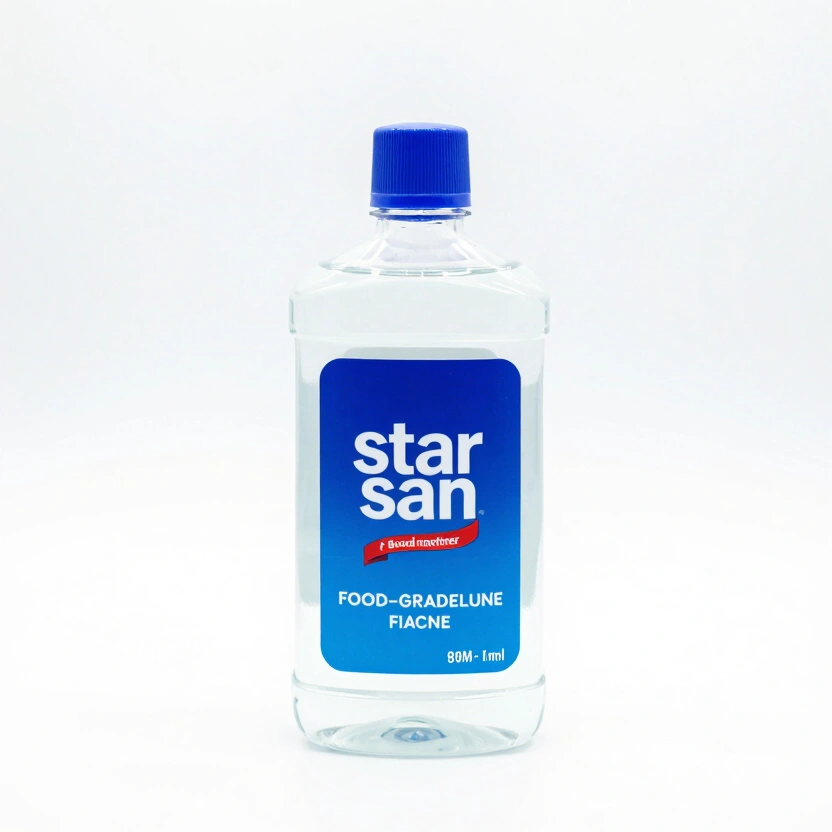
Star San Food-Grade Sanitizer
The gold standard for no-rinse sanitization in home brewing and fermentation.
Check Price on Amazon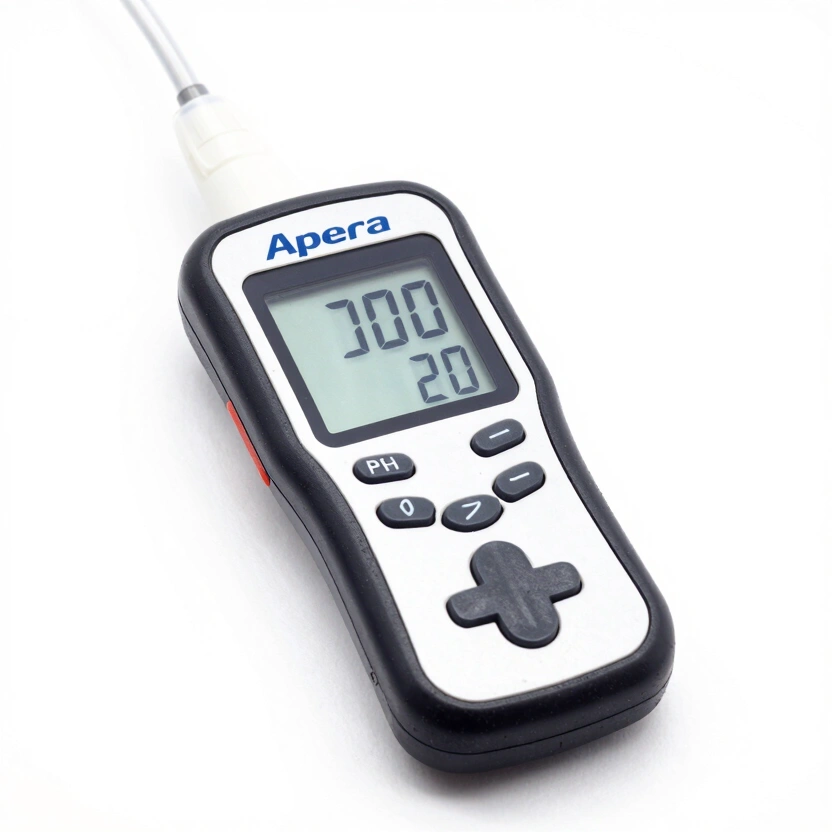
Apera Instruments PH20 pH Meter
Professional-grade digital pH tester, essential for verifying safety in low-acid ferments.
Check Price on Amazon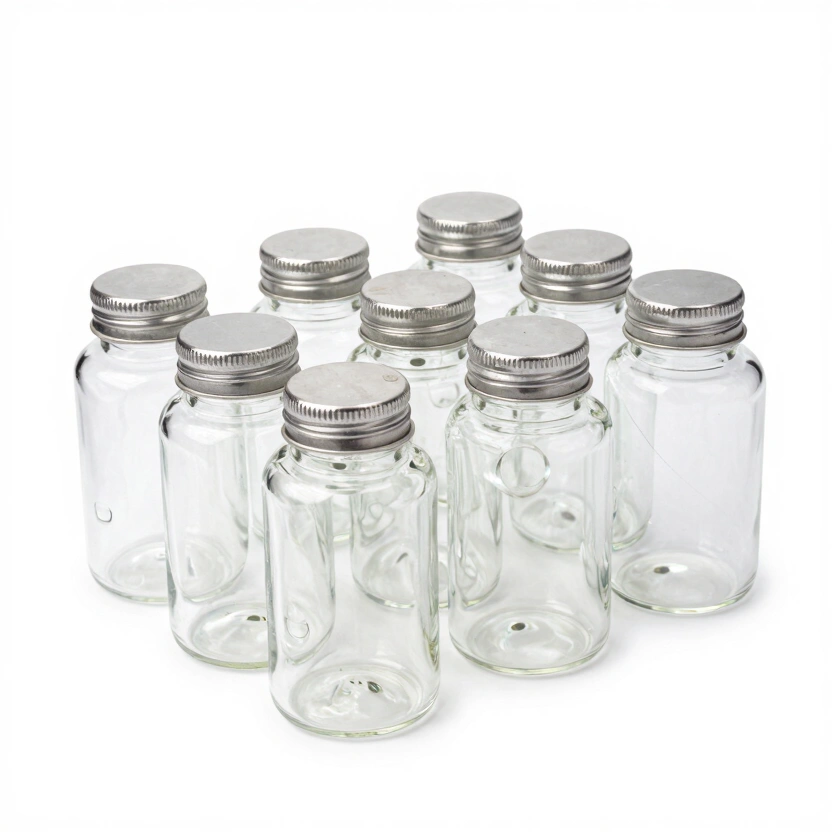
Artcome 10-Pack Glass Weights
Bulk set of heavy glass weights with easy-grip handles for large mason jar setups.
Check Price on Amazon* Affiliate links. Prices last updated March 3, 2026.
Preparation: How to Mix the Perfect Brine
Follow this workflow for a perfect distribution of salt.
The Dissolution Problem
Salt dissolves faster in warm water, but heat can kill your starter cultures.
- Heat a Small Portion: Boil 10% of your water and dissolve the full amount of salt in it.
- Dilute with Cold: Add the remaining 90% of cold filtered water. This brings the temperature down immediately.
- The “Stir Check”: Look at the bottom. If you see crystals, keep stirring. Undissolved salt creates “pockets” of uneven salinity.
Troubleshooting: Too Much or Too Little Salt?
- “I accidentally used 10% salt!”
- Fix: Pour off half the brine and replace it with unchlorinated water. The bacteria will recover.
- “My vegetables are soft and mushy.”
- Cause: Likely too little salt (< 1.5%). The enzymes are breaking down the cell walls faster than the bacteria can acidify.
- “White spots on the salt crystals?”
- Fix: If you see white sediment, those are often insoluble minerals. They are harmless and will settle at the bottom.
The Roman salinae officers solved this 2,200 years ago through empirical trial across armies of 50,000. The mechanism they didn’t have words for — osmotic selection pressure, LAB competitive advantage, controlled acidification — is now fully understood. What they got right by necessity, you can replicate by precision. Salt type, salt purity, salt percentage. Three variables. The 2.0%–2.5% sauerkraut window isn’t arbitrary — it’s the narrowest corridor where Lactobacillus dominates and spoilage organisms can’t compete.
Weigh your salt. Every batch. The Brine Salinity Calculator handles the math — vegetable weight in, target percentage in, grams out.
For a complete guide on how water chemistry interacts with your brine, read Water Quality and Chlorine in Fermentation.
Frequently Asked Questions
What is the single most important rule for choosing salt for fermentation?
Read the ingredients list. It should say one word: “Salt.” Any product listing potassium iodide, sodium silicate, Yellow Prussiate of Soda, or any anti-caking compound introduces chemistry that can discolor your brine, slow acidification, or produce alarming color changes. Redmond Real Salt, Morton Canning & Pickling Salt, or any plain non-iodized sea salt with a clean label all work equally well. The choice between them is grain size and price, not quality.
I used sea salt and my brine still turned an odd color. What went wrong?
Check your water, not your salt. Chloramines in tap water react with lactic acid during fermentation and can produce off-colors even with clean salt. Use filtered water, or let tap water sit uncovered for 30–60 minutes before mixing brine. If the color appeared after day 3 and the brine smells normal — tangy, slightly sulfuric — test pH before discarding anything. A reading below 4.6 means the ferment is safe regardless of color.
How much does salt brand matter versus salt type?
Brand is almost entirely irrelevant. Morton, Redmond, generic sea salt — they perform identically if the label is clean. Type matters more: pickling salt dissolves fastest and produces the clearest brine. Kosher salt requires weight measurement because crystal density varies dramatically between brands (Diamond Crystal at 8g/tbsp vs. Morton Kosher at 15g/tbsp). Fine non-iodized sea salt is the most predictable all-purpose option.
Can I use too little salt and compensate by adding a starter culture?
Partially. A starter culture drops pH fast and establishes LAB dominance early — which reduces some of the spoilage risk from under-salting. The catch: below 1.5% salt, osmotic pressure isn’t high enough to pull sufficient liquid from vegetables, so you end up with inadequate brine coverage regardless of how active the culture is. Use a starter by all means, but keep salt at minimum 1.8%.
What made the Roman military’s empirical salt percentages so accurate?
They calibrated by watching soldiers die — or not. Military physicians on 6-month campaigns in the 2nd century BC had decades of field data showing which salt concentrations for garum and muria prevented dysentery and which didn’t. The survivors ate food preserved at roughly 15–20% for salt-pack products and 2–3% brine for vegetables. Modern food science arrived at the same numbers through controlled microbiology. 2,000 years of separation, same answer.
Related Articles
Sugar Types in Fermentation: Brown, White, or Honey?
Which sugar is best for your SCOBY or your yeast? We explore the science of carbohydrates and metabolic efficiency in fermentation.
Water Quality: Why Chlorine is the Enemy of Your Ferment
Is your tap water killing your probiotics? We explore the impact of chlorine, chloramine, and fluoride on home fermentation.
The Science of Slime: Troubleshooting Pediococcus and Texture Issues in Fermentation
Is your sauerkraut brine thick and stringy? Learn about Pediococcus and how to fix slimy fermentation without throwing it away.