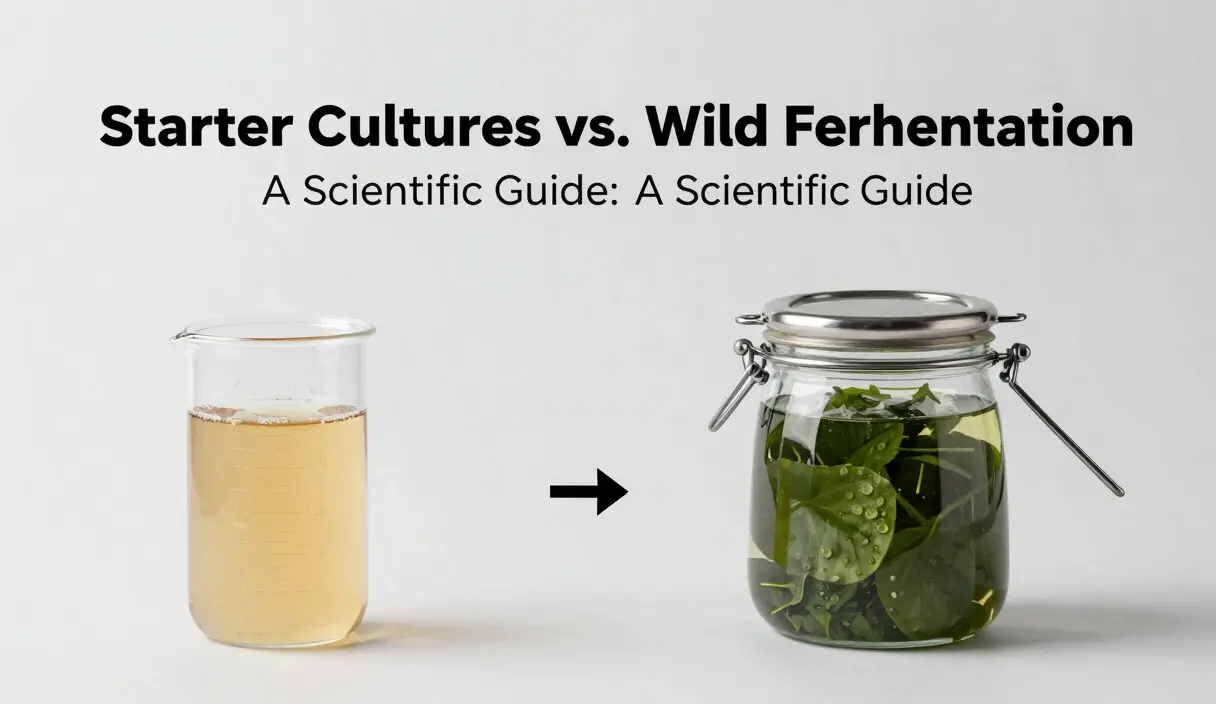
Starter Cultures vs. Wild Fermentation: When to Inoculate Your Jar
Do you really need to buy starter cultures? We compare spontaneous 'wild' fermentation with lab-grown inoculation for safety and speed.
Contents
In 1857, Louis Pasteur published “Mémoire sur la Fermentation Appelée Lactique” — the first scientific proof that fermentation was caused by living microorganisms, not spontaneous chemical reactions. Before that paper, every fermenter in human history had been using fermentation starter cultures without knowing why they worked. The Korean grandmother saving a cup of yesterday’s kimchi brine to inoculate tomorrow’s batch. The Bavarian brewer skimming active foam from one barrel to seed the next. The cheese maker maintaining a living whey culture across decades. All of them were practicing empirical microbiology with perfect results and zero theoretical framework. Pasteur’s 1857 proof didn’t change what they did. It explained what they were already doing by instinct.
That gap — between knowing it works and knowing why — is exactly what this guide covers. The question every fermenter eventually faces isn’t philosophical: it’s practical. When do you trust the wild microbes on your ingredients, and when do you bring in precision-cultured specialists? The answer is a decision tree, not a religion. It depends on your ingredients, the safety stakes, and what consistency actually costs you.
The Philosophy of Wild Fermentation
Most commercial fermentation guides push starter cultures hard. Counter to that pressure, wild vegetable ferments are often more reliable than inoculated ones — because the native Lactobacillus populations on fresh cabbage are already pre-adapted to lacto-fermentation conditions.
Wild fermentation is the process of creating an environment where the beneficial bacteria already present on your food outcompete everything else. No packets. No inoculation. Just conditions.
The Microbial Succession
When you shred a cabbage for sauerkraut, you aren’t just cutting vegetables; you are unleashing an ecosystem.
- Phase 1 (The Opportunists): In the first 48 hours, various “wild” bacteria begin to consume the sugars, lowering the pH slightly.
- Phase 2 (The Bubblers): Strains like Leuconostoc mesenteroides take over, producing CO2 and the signature aroma.
- Phase 3 (The Acid-Makers): Finally, heavy hitters like Lactobacillus plantarum produce massive amounts of lactic acid, dropping the pH to safe levels (below 4.6).
The “Terroir” of Fermentation
Wild fermentation captures the flavor of your specific environment. This “terroir” is the primary reason enthusiasts prefer the wild method—it is a unique culinary fingerprint of your kitchen.
If you’ve ever opened two jars of sauerkraut made from the same recipe — one wild, one inoculated — and noticed they taste completely different, that’s not a mistake. The wild batch carries your kitchen’s specific microbial fingerprint. The inoculated batch carries the lab’s. Both are good. They’re just different products.
The Case for Starter Cultures: Precision Engineering
A starter culture is a concentrated dose of specific, isolated microbial strains. The microbial community in your jar is going to be shaped by whoever gets there first — and a starter culture means you get to pick that team.
Why Use a Starter?
- Speed: Millions of bacteria added at once eliminate the “lag phase,” reaching safe acidity levels in record time.
- Consistency: Starters guarantee that every batch tastes exactly the same, a must for commercial makers.
- Safety in High-Risk Batches: For cooked beans or pasteurized juice, a starter is mandatory to prevent rot before the “good guys” can establish themselves.
Types of Starter Cultures
- Freeze-Dried Powders: Shelf-stable and concentrated. Caldwell’s Starter Culture and Cultures for Health both produce vegetable-specific freeze-dried starters that ship at room temperature and store for 1-2 years before opening. The freeze-dried starter format is the safest option for high-risk ferments like miso and tempeh, where wild catching is not a realistic option.
- Back-Slopping: Using 1-2 tablespoons of successful brine from a previous batch to inoculate the new one. Free. Fast. Reliable for the first 3-4 generations.
- SCOBYs: The living, symbiotic mats used in Kombucha.
The Decision Matrix: When to Use a Starter
I’ve run this decision matrix across dozens of fermentation projects. The one category where beginners consistently over-invest in starters is vegetables — and it’s usually unnecessary.
Category 1: Wild is Best (Vegetables)
Cabbage, carrots, peppers — all naturally colonized by Lactobacillus populations that are already pre-adapted to fermentation conditions. Don’t spend money on a starter for sauerkraut. The microbes are already there. Salt, anaerobic seal, correct temperature.
Category 2: Starter Optional (Kefir, Some Meads)
Milk and honey are inconsistent environments — the microbial populations on raw milk vary by season, diet, and herd. For your first five batches, a starter gives you a reference point. Once you know what a healthy kefir grain looks and smells like, wild catching becomes a reasonable experiment. Not before that. Learn the baseline before you start improvising.
Category 3: Starter Mandatory (Soy, Cooked Grains, Pasteurized Juice)
The heat has killed everything. There are no wild LAB left on a cooked soybean or pasteurized apple juice. Inoculate with the correct starter culture — or watch the batch rot. Koji-kin spores for miso and tempeh, a dedicated yeast or LAB starter for pasteurized cider. No middle ground.
The Art of “Back-Slopping”: A Middle Path
Back-slopping uses 1-2 tablespoons of active brine to instantly lower the pH and “seed” the dominant strain from your last successful batch.
The Danger of Monoculture
Fair warning: I’ve seen back-slopped kimchi from generation 6 that tasted like flat, one-note acid with none of the complexity the first batch had.
The thing nobody tells you about back-slopping is that it works brilliantly for 3 generations and then quietly stops being interesting. By generation 5, you’re amplifying one dominant strain at the expense of the microbial succession that created the complexity in the first place. Restart wild every 3–4 batches. It costs nothing and recovers everything.
Over time, back-slopping can lead to a less complex flavor profile as one strain dominates. I recommend restarting “wild” after 3-4 generations to maintain microbial diversity.
The Economics: Are Commercial Starters Worth the Cost?
A specialized starter can cost $2 to $5 per batch.
- Cheap Insurance: If you are fermenting expensive super-hot peppers, a $3 starter is a wise investment to protect your harvest.
- Texture Control: Some starters are specifically selected for pectin retention, ensuring your pickles stay crunchy.
These are the essential cultures for mastering every type of ferment:
Top Starter Cultures
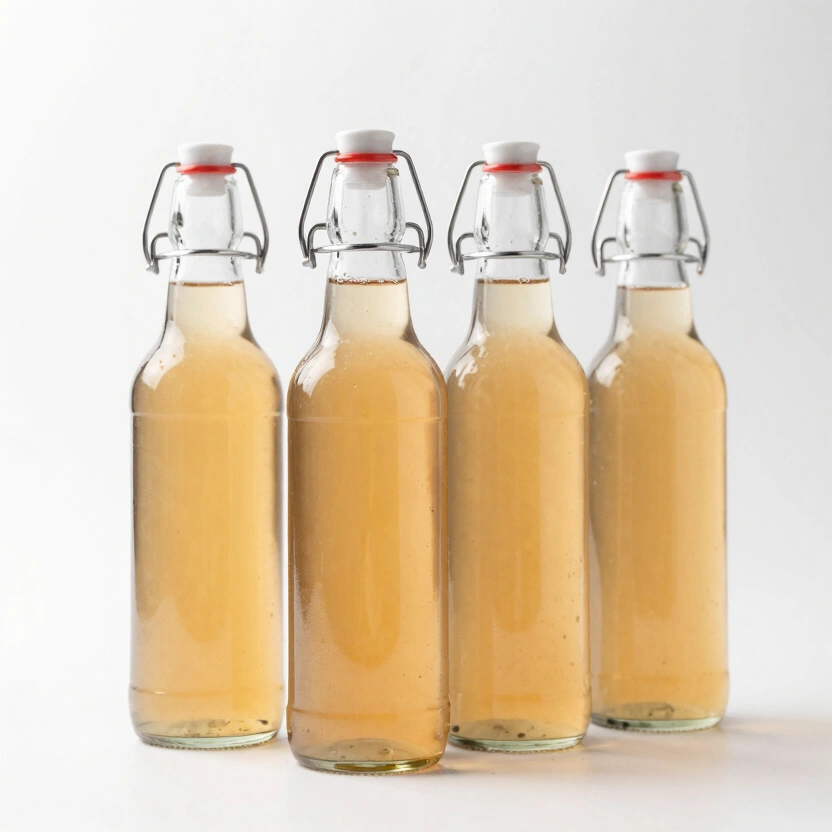
myFERMENTS Kombucha Starter Set
Large 4.25L jar set with swing-top bottles — ideal for first kombucha or kefir batches.
Check Price on Amazon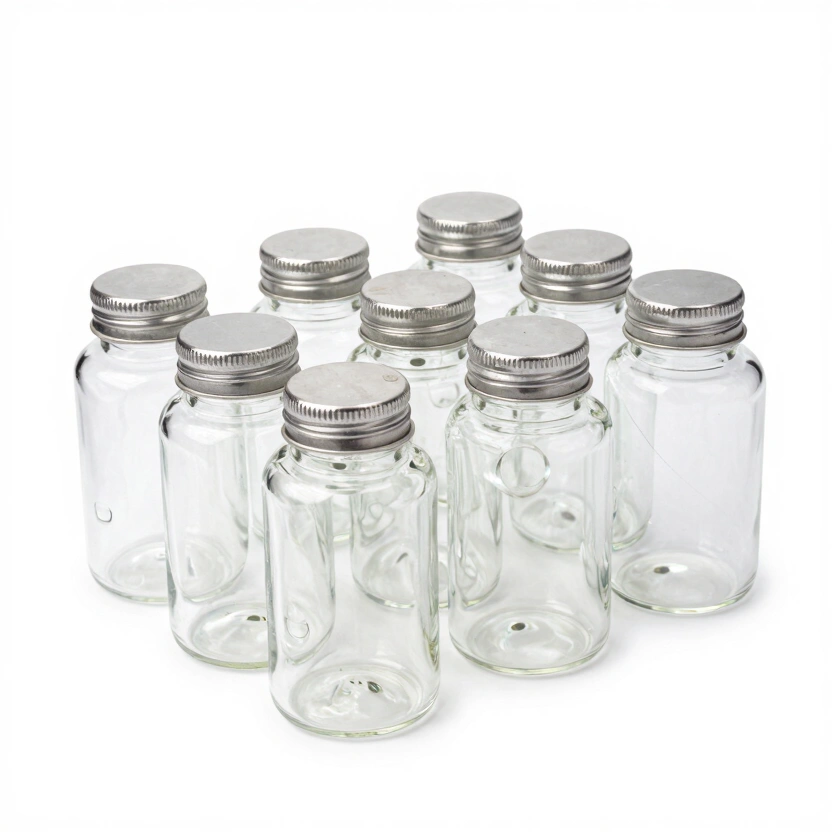
Artcome 10-Pack Glass Weights
Bulk set of heavy glass weights with easy-grip handles for large mason jar setups.
Check Price on Amazon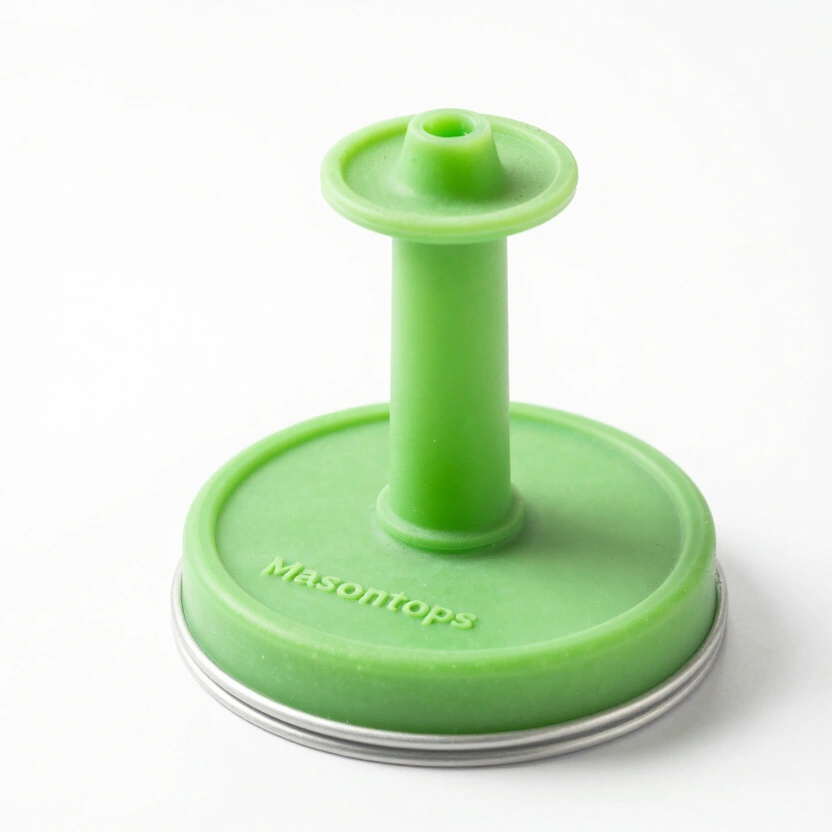
Masontops Pickle Pipe (Airlock Lids)
Waterless silicone airlock lids for easy, low-maintenance mason jar fermentation.
Check Price on Amazon* Affiliate links. Prices last updated March 3, 2026.
Advanced Inoculation: Koji, Tempeh, and Miso
Inoculation with fungal cultures is a different discipline entirely. Wild catching is not a philosophical choice here — it’s a safety issue.
- Koji: You must buy specific Koji-kin spores (Aspergillus oryzae) to avoid toxic wild molds. Wild Aspergillus species include A. flavus, which produces aflatoxin. Not something to experiment with.
- Tempeh: Specialized starters ensure the beans are encased in safe white mycelium within 24 hours. The white mat is your success signal. Anything grey or black is not Rhizopus oligosporus — discard it.
Troubleshooting Stalled Starters: Why Isn’t It Working?
If you’ve ever added a freeze-dried starter culture and seen zero activity after 48 hours, the problem is almost never the culture itself. It’s temperature, chlorine, or antimicrobials in your ingredients. The Caldwell’s packet didn’t fail. Your conditions did.
Three causes account for the majority of failed inoculations.
- Chlorine Poisoning: Tap water is treated to kill microorganisms — which is exactly what makes it dangerous to your starter. Filter it, or let it sit uncovered for 30 minutes before use.
- Thermal Shock: Above 100°F (38°C), most LAB cultures are dead in under 10 minutes. Let hot brine cool to body temperature — around 98°F — before adding any freeze-dried starter or back-slop. This kills more starters than chlorine does.
- Antimicrobials: Raw garlic, turmeric at high concentrations, and some essential-oil-rich spices can slow or stall a weak starter. Add them after the lag phase. Not before.
Pasteur proved in 1857 why the empirical practices worked. He didn’t invent them — he explained them. Fermenters had been successfully using back-slop, maintained SCOBYs, and saved starters for millennia before anyone could name Lactobacillus plantarum. The practical question today is the same one those fermenters were answering by instinct: does my ingredient carry a reliable wild population, or has something — heat, pasteurization, irradiation — killed what was there? Vegetables: trust wild. Cooked grains, pasteurized juice, heat-treated legumes: no choice but to inoculate. Everything in between: match your method to your risk tolerance.
The physical environment your starter needs is as important as the starter itself. The Technical Guide to Airlocks and Fermentation Weights explains how to build the anaerobic conditions that make every culture perform at its best.
Frequently Asked Questions
What exactly did Pasteur’s 1857 paper change about fermentation practice?
Nothing, immediately. Fermenters kept doing exactly what they’d always done. What changed was the theoretical foundation that enabled the next 150 years of microbiology. Once Pasteur proved fermentation was caused by specific living organisms, scientists could isolate, identify, and eventually culture those organisms deliberately. Freeze-dried starters, commercial Koji-kin spores, laboratory-pure SCOBY strains — all of that descends directly from the 1857 proof. The practice preceded the science by thousands of years. The science made precision possible.
Do I need a starter culture for sauerkraut or kimchi?
No. Cabbage, carrots, and peppers carry native Lactobacillus populations that will dominate a properly salted, anaerobic environment without any outside inoculation. Wild fermentation is the standard method for vegetables and it works reliably. Before spending money on a freeze-dried starter, check your water quality and salt percentage — chlorinated tap water and under-salting cause more failed vegetable ferments than absent microbes.
How many generations can I back-slop before quality degrades?
Three to four, consistently. By generation 5, a single dominant strain has usually outcompeted the diversity that drove the complexity of the first batch. The jar smells fine. The pH is correct. But the flavor is flatter. Restart wild after generation 3 or 4, let the full microbial succession run its course, then back-slop again from that fresh baseline if you want. Free, reliable, and it preserves the flavor profile.
What makes Koji-kin different from regular fermentation starters?
Koji-kin (Aspergillus oryzae) is a fungal spore, not a bacterial culture. It grows as a white mycelium across the surface of cooked grains or soybeans and produces a specific enzyme package — amylases and proteases — that no Lactobacillus strain produces. You cannot substitute a vegetable starter culture for Koji-kin in miso or sake production. The enzymatic activity is different at the molecular level. Koji-kin spores from GEM Cultures or Cold Mountain are the standard US sources.
My freeze-dried starter showed no activity after 72 hours. What killed it?
Three suspects, in order of likelihood. First: chlorinated tap water — even brief contact before the culture establishes. Filter it or use bottled water. Second: thermal shock — brine above 100°F (38°C) kills most LAB cultures before they can establish. Let everything cool to body temperature before adding the starter. Third: raw garlic or turmeric at high concentration — both are antimicrobial enough to slow or stall a weak starter. Add aromatic ingredients after the lag phase, not at the beginning.
Related Articles
Precision Brewing: Mastering ABV Calculations and Sugar Attenuation
Calculate the Alcohol by Volume (ABV) of your mead and kombucha. Master the formula and learn how to use your hydrometer like a pro.
The Fermentation Smell Test: Normal Funk vs. Putrid Rot
Is your ferment supposed to smell like that? We explore the science of fermentation aromas, from cheesy funk to dangerous decay.
Why is My Brine Cloudy? Understanding Bacterial Sediment and Safety
Is cloudy brine a sign of success or failure? We explain the science of microbial blooms, sediment, and how to verify the safety of your ferment.