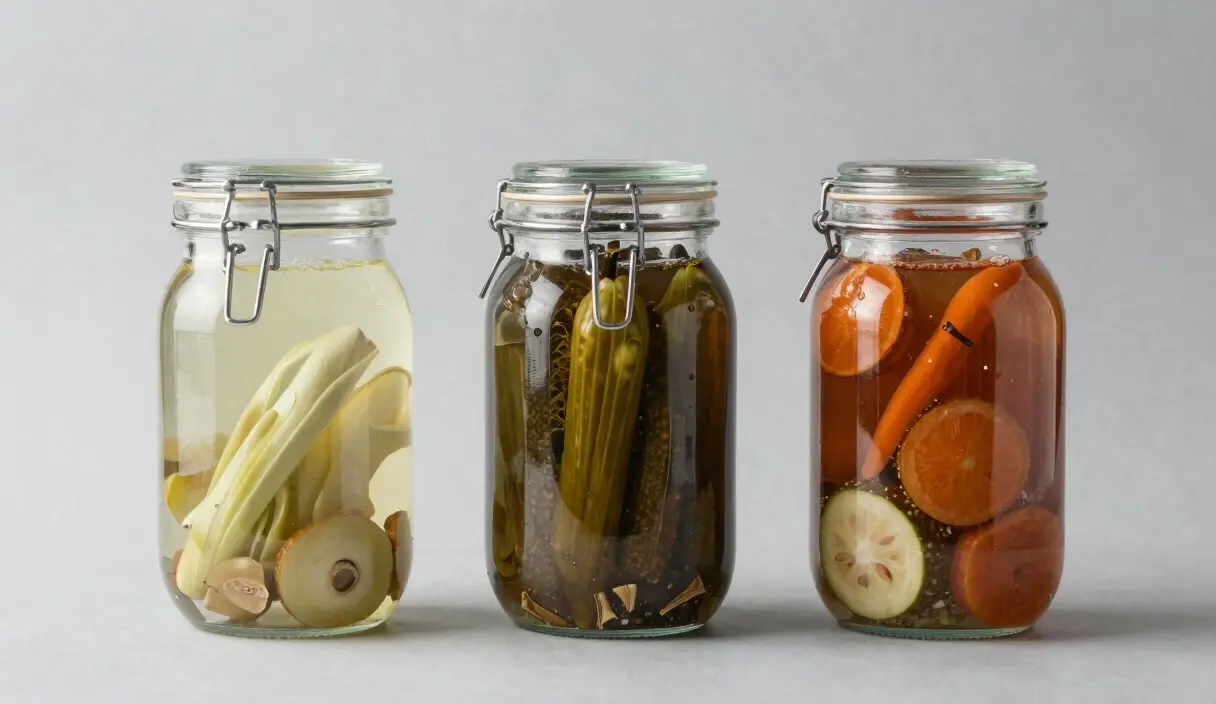
Fermentation vs. Pickling: The Definitive Scientific Comparison
Is every pickle fermented? We break down the biological and culinary differences between these two ancient techniques.
Contents
Clay tablets excavated from Nippur — the great scribal city of ancient Mesopotamia, dating to around 2300 BC — describe both salt-preserved fish and brined fermented turnips in the same trading records. The scribes used different words for each. Not interchangeable terms. Not a loose approximation. Different words, carved in clay, for two distinct preservation systems. The distinction between fermentation and pickling isn’t a modern food-science invention. It’s at least 4,300 years old, recognized empirically by people who had never heard of lactic acid or acetic acid but could taste the difference in the marketplace.
The question that matters in 2026 is the same one those Nippur traders were asking without knowing it: who makes the acid? In vinegar pickling, you add external acetic acid. In lacto-fermentation, your Lactic Acid Bacteria produce lactic acid from within. Not two versions of the same process. Biologically and chemically distinct systems, with different safety requirements, different nutritional outcomes, and different flavor profiles. One creates life in the jar. The other suspends it. Understanding the difference determines whether the food you’re eating is probiotic-rich or enzymatically inert.
The Philosophical Divide: Creation vs. Suspension
At its core, the difference between these two methods can be summarized in a single concept: Who makes the acid?
Pickling: Preservation through Suspension
When you “pickle” something in the modern sense, you are submerging a vegetable in a strong, external acid—usually acetic acid (vinegar).
- The Goal: To create an environment so hostile that no biological activity can occur.
- The Result: The vegetable is “suspended” in time. It stays crisp because all biological activity has stopped.
Fermentation: Preservation through Creation
In fermentation, you do not add acid. Instead, you add salt and create an environment where Lactic Acid Bacteria can thrive. These bacteria consume the natural sugars and create their own lactic acid as a metabolic byproduct.
- The Goal: To encourage a specific, beneficial biological takeover.
- The Result: The food is “transformed.” It becomes more nutritious and is teeming with billions of live probiotic cultures.
The Vinegar Variable: The Great Confuser
People get confused because vinegar-pickled foods taste “sour,” just like fermented foods. But the sourness comes from two different molecules.
Acetic Acid (Pickling)
Vinegar is acetic acid. It has a sharp, pungent acidity that hits the front of the tongue and dissipates quickly. Vinegar-based pickling is fast; you can create a “quick pickle” in 30 minutes.
Lactic Acid (Fermentation)
Lactobacillus produces lactic acid. This acid is softer, creamier, and has a “rolling” acidity that lingers — it is what gives yogurt, sourdough, and real sauerkraut their characteristic depth. Fermentation takes time — usually 7 to 21 days.
I’ve done blind taste tests between vinegar-brined and lacto-fermented cucumbers using the same base recipe. Every person in the test identified the fermented ones as “more complex” and “less harsh” without knowing which was which.
Picture it: You open two identical jars side by side. Same cucumber. Same salt. But one smells sharp — chemical almost, like it came from a factory line. The other smells alive. Funky. Faintly effervescent. You haven’t tasted anything yet and your gut already knows which one did something biological. That smell is lactic acid. The bacteria made it while you waited.
The Golden Rule: All fermented vegetables are “pickled” (preserved in acid), but not all “pickled” vegetables are fermented.
Nutrition: Living vs. Dead Food
This is the section that most comparison articles gloss over. And it’s the only part that actually matters if health is your reason for making fermented foods.
This is the only part that changes what your gut actually receives.
- The Probiotic Gap: Fermented foods are a source of live probiotics. Vinegar-brined foods, especially those that have been heat-processed (canned), contain zero live bacteria.
The market stall moment: The Nippur scribes who used different words for salt-preserved fish and fermented turnips weren’t making a philosophical distinction. They were pricing goods. A fermented turnip commanded a different trade value than a salt-dried one. The living ferment was worth more. Four thousand years later, the refrigerator aisle is making the exact same argument in the gap between a $3 jar of shelf-stable vinegar cucumbers and a $9 jar of raw lacto-fermented ones.
- Bioavailability: As we discussed in our Probiotics Deep-Dive, fermentation breaks down anti-nutrients. Vinegar pickling simply preserves the nutrients already present.
- Digestive Enzymes: Fermented foods are rich in enzymes that aid digestion. Heat-processed, vinegar-preserved foods register near zero enzymatic activity — the pasteurization step eliminates it.
Safety Protocols: Sterility vs. Competitive Exclusion
The safety mechanisms of these two methods operate on opposite principles.
Pickling Safety: The Sterility Model
In vinegar pickling, safety is achieved through Sterility. You use high heat (water bath canning) to kill all existing microbes. The acetic acid provides secondary protection.
- Critical Factor: You must follow a tested recipe for the exact vinegar-to-water ratio.
Fermentation Safety: The Competitive Exclusion Model
In fermentation, safety is achieved through Domination. You aren’t trying to make the jar sterile; you are building an environment where lactic acid bacteria take over so rapidly that pathogens — including Clostridium botulinum — cannot establish a foothold. By using salt and anaerobic conditions, you ensure the beneficial bacteria crowd out the dangerous ones before they can produce toxins.
- Critical Factor: You must reach a pH of 4.6 or lower. Below that threshold, Clostridium botulinum is suppressed.
Flavor Evolution: Straight vs. Complex
- Vinegar Pickle Profile: Sharp, acidic, and consistent. The flavor is static from Day 1 to Day 30.
- Fermented Profile: Funk, umami, and “effervescence.” The flavor is dynamic and evolves over weeks.
Practical Comparison Table: At a Glance
| Feature | Vinegar Pickling | Lacto-Fermentation |
|---|---|---|
| Active Agent | Acetic Acid (added) | Lactic Acid (created) |
| Microbes | Dead (sterile) | Alive (probiotic) |
| Speed | 30 mins to 24 hours | 7 to 21 days |
| Equipment | Canning pots, jars | Jars, weights, airlocks |
| Taste | Sharp, consistent | Tangy, complex, evolving |
| Safety Rule | Sterility & Acid Ratio | 4.6 pH & Salinity |
These are the essential paths to preservation:
Pickling vs. Fermentation Tools
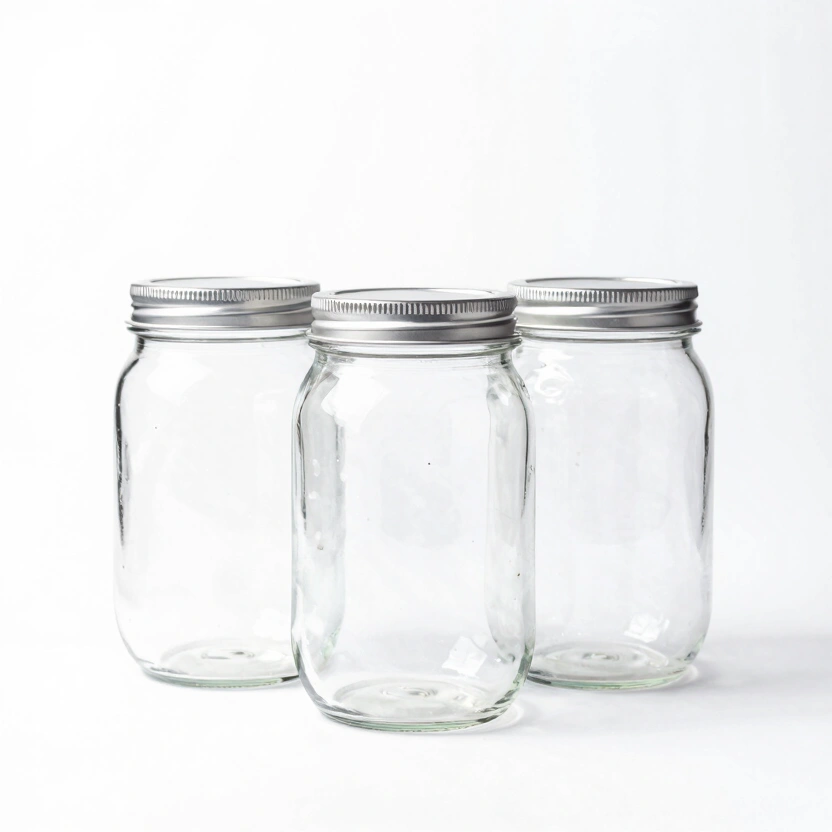
Tebery Wide Mouth Mason Jars (1.9L)
High-capacity glass jars perfect for bulk vegetable fermentation or continuous brew kombucha.
Check Price on Amazon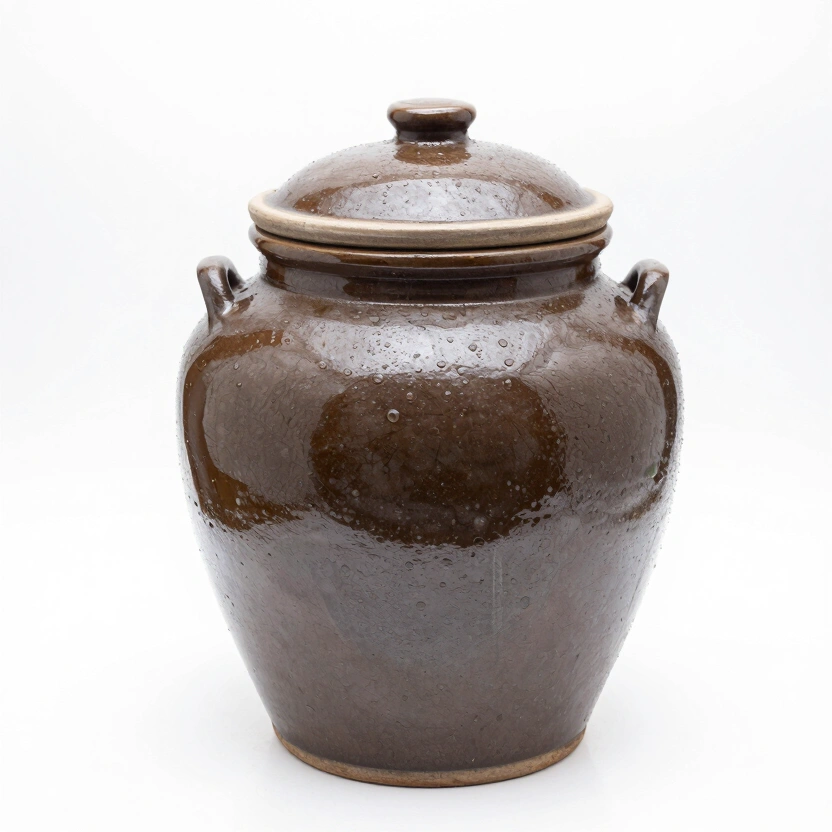
Traditional Ceramic Fermentation Crock
Classic water-seal stoneware crock for large-scale kraut, kimchi, and miso batches.
Check Price on Amazon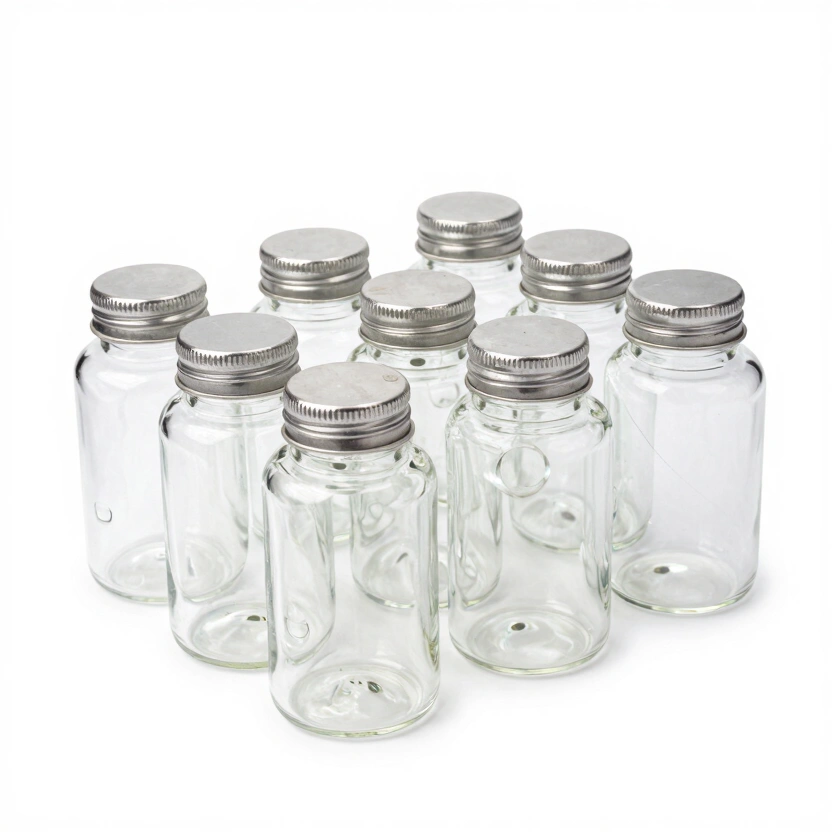
Artcome 10-Pack Glass Weights
Bulk set of heavy glass weights with easy-grip handles for large mason jar setups.
Check Price on Amazon* Affiliate links. Prices last updated June 29, 2026.
The Shelf-Life Paradox: Which Lasts Longer?
While a canned vinegar pickle can sit in a pantry for 2 years, a fermented pickle is surprisingly durable. No heat processing needed. Because fermented foods are “live” ecosystems, they continue to protect themselves as long as they are kept cold and submerged. A jar of real sauerkraut can easily last 12 months in the refrigerator.
The Hybrid Path: Acidified Fermentation
Most people treat fermentation and vinegar preservation as mutually exclusive. They are not. And the hybrid method — adding a small vinegar hit to a lacto-ferment — is actually a legitimate technique used by professional makers to control Kahm yeast in warm weather.
One summer batch. August. Kitchen at 78°F. A quart of lacto-fermented cucumbers going soft by day four because the heat was spiking the fermentation faster than the acidity could stabilize it. Added one tablespoon of raw apple cider vinegar. pH dropped to 4.9 within an hour. The Kahm yeast never appeared. The Lactobacillus finished the job on schedule. That’s acidified fermentation — not a cheat, a bridge.
You can combine these two methods. This is known as Acidified Fermentation.
- The Technique: Start a traditional lacto-ferment but add a small amount of vinegar at the beginning.
- Why? It drops the starting pH below 5.5, which can prevent Kahm yeast.
- The Downside: It can slow down the initial growth of some Lactobacillus strains.
Decision Guide: Which Method Should You Choose?
Use Vinegar Pickling when:
- Speed is critical: You need pickles for a BBQ this afternoon. Lacto-fermentation can’t compete — 7 days minimum vs. 30 minutes.
- Ingredients are delicate: Thin-walled vegetables like green beans go mushy during long fermentations — vinegar gives you the crunch you want.
- Sugar is high: Pickled fruit is easier to manage with vinegar. The acetic acid overpowers any competing sugar-feeding organisms.
Reach for lacto-fermentation when:
- The goal is gut health. Live probiotics, enzymatic activity, and specific metabolites that vinegar simply cannot replicate.
- Flavor complexity matters — you want the umami and funk of real sauerkraut, not a static acid hit.
- You have time and a clean jar. That’s all the equipment required — no boiling pots, no canning racks.
The Nippur scribes had no word for lactic acid. No microscopes. No understanding of competitive bacterial exclusion. But they carved a distinction into clay 4,300 years ago that still holds in every supermarket refrigerator section today. The method you choose determines whether you’re creating life in a jar or suspending it in vinegar. One is preservation. The other is transformation. Both are valid. Only one gives you live probiotics, enzymatic activity, and a flavor profile that evolves for months after you seal the lid.
Choose based on what you actually want — speed and shelf stability, or biological depth and gut benefit. Both methods deserve a place in a serious kitchen. They are not the same. They never were.
Start with your salt: the Brine Salinity Calculator takes the guesswork out of the first and most critical decision in any lacto-ferment.
Frequently Asked Questions
Is every brined cucumber in a jar a lacto-ferment?
No. Most commercially produced cucumbers in jars are vinegar-brined and heat-processed — pasteurized. They contain zero live bacteria. The only way to get probiotic cucumbers is to buy jars labeled “raw” or “lacto-fermented” from the refrigerated section, or to make them yourself. The shelf-stable jar on the middle aisle is a vinegar product, not a fermented one.
Can I add a splash of vinegar to a lacto-ferment without killing the bacteria?
A tablespoon per quart will drop the starting pH without stopping Lactobacillus — that’s the acidified fermentation technique. The threshold where vinegar starts suppressing LAB is around 5% of total liquid volume. Below that, it acts as a head-start mechanism, lowering pH before competing bacteria can establish. Above it, you’re replacing fermentation with preservation. Know the line.
Why does fermented food need refrigeration but vinegar-preserved food doesn’t?
Fermented food is alive. The Lactobacillus in a jar of real sauerkraut keeps metabolizing at room temperature, eventually acidifying past the ideal window and softening the texture. Refrigeration slows that metabolism by roughly 90%, holding the ferment at its peak for months. Vinegar-preserved food is sterile — there’s nothing metabolizing, nothing to slow down. The refrigerator is a pause button, not a storage requirement.
What does “competitive exclusion” mean in fermentation safety?
It means you’re not trying to sterilize the jar — you’re trying to win a race. Salt and anaerobic conditions give lactic acid bacteria a head start. They acidify the environment so fast that pathogens like Clostridium botulinum never get a foothold. The target is pH 4.6 or lower. At that level, botulism toxin production shuts down. The bacteria protect themselves — and you — through sheer dominance.
Does the sourness of vinegar-preserved food give the same gut benefits as fermentation?
No. Acetic acid from vinegar will contribute to digestive acidity, but it delivers none of the live cultures, none of the enzymes, and none of the specific metabolites that lacto-fermented foods provide. The “sourness” is a flavour outcome. The probiotic benefit is a biological one. They happen to taste similar. That’s where the similarity ends.
If fermentation is your method, the two most important safety variables are salt percentage and acidity: The Science of Brine Ratios and pH Safety are the essential follow-up reads.
Related Articles
The Scoville Scale and Fermentation: Does Heat Level Change Over Time?
Does fermentation make hot sauce hotter or milder? We explore the stability of capsaicin, pH impact on heat perception, and the Scoville scale.
Why is My Brine Cloudy? Understanding Bacterial Sediment and Safety
Is cloudy brine a sign of success or failure? We explain the science of microbial blooms, sediment, and how to verify the safety of your ferment.
Miso Making at Home: A 6-Month Microbiological Journey
Master the ancient Japanese art of miso. We cover the science of enzymes, the importance of Koji, and how to age your miso for maximum umami.